SAEDNEWS: Aokigahara Forest, located at the base of Mount Fuji, attracts visitors with its pristine natural scenery and its mysterious legends, while also symbolizing the psychological challenges and mental health struggles within society.
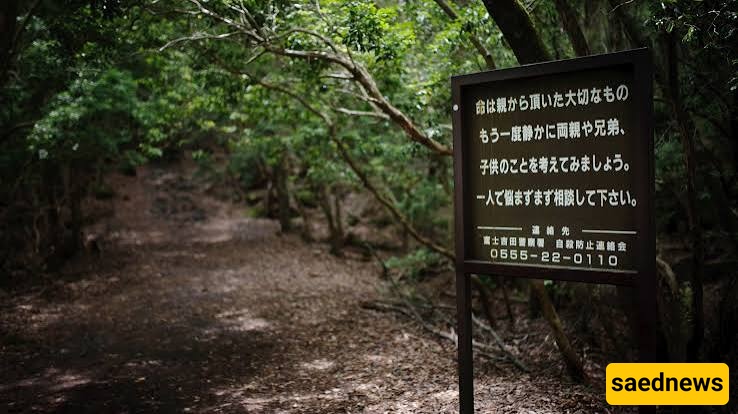
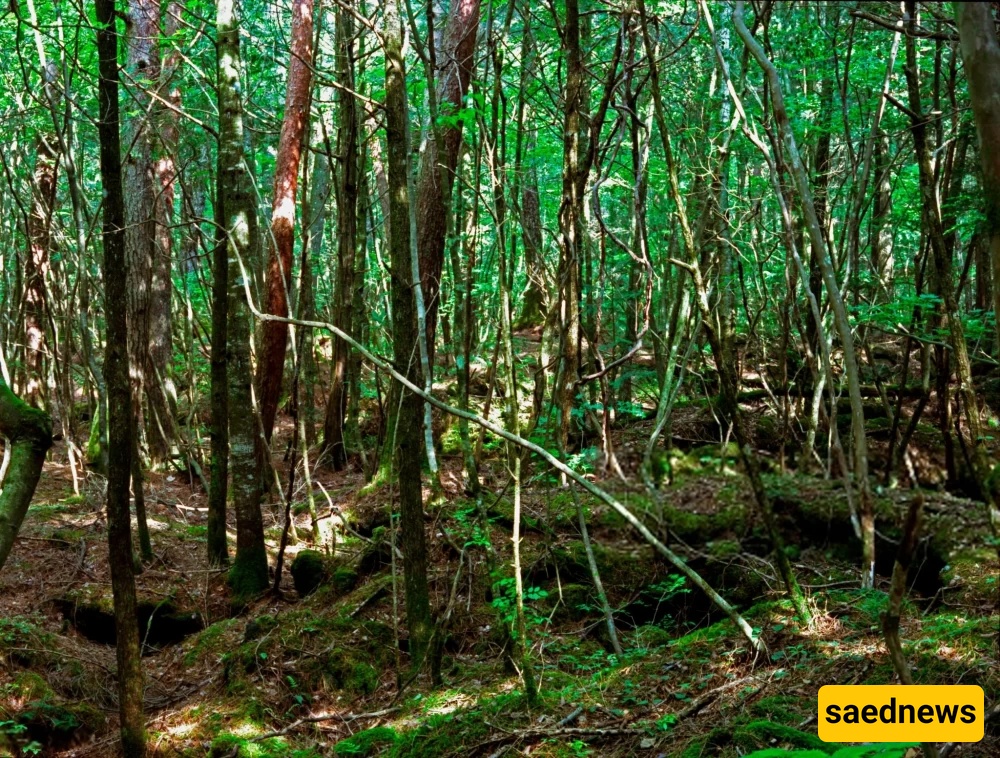
According to Saednews, Aokigahara Forest, located at the base of Mount Fuji in Japan, is one of the most astonishing yet eerie natural landscapes, also known as the “Suicide Forest.” Covering an area of over 30,000 hectares, this dense forest with its thick trees and beautiful rocky terrain has a special appeal for tourists and adventurers. However, the history and legends surrounding it have turned it into not only a tourist destination but also a symbol of psychological and social crises.
Aokigahara Forest is believed to have formed around 1,000 years ago. It is recognized as one of Japan’s pristine and untouched natural areas and has historically been used for religious and cultural rituals. In recent decades, however, it has gained a dark reputation due to a rise in suicides, drawing significant attention from media and researchers. Reports suggest that it has one of the highest suicide rates in the world, which has intensified public concern.
Aokigahara Forest is widely known for its local legends, especially stories involving spirits and supernatural beings. One of the most famous is the legend of “Yūrei,” referring to the spirits of women who have died in the forest. According to these stories, these spirits remain trapped, unable to find peace, and wander the forest seeking revenge for their unfinished lives. Such beliefs have contributed to the forest’s mysterious and frightening reputation and are sometimes thought to influence vulnerable individuals.
Media has played a significant role in shaping the public image of Aokigahara Forest. Documentaries and films, especially The Forest (2016), have portrayed it as a dark and mysterious place. While such content increases tourism interest, it may also contribute to the rise in suicides. Thus, Aokigahara Forest has become not only a natural site but also a symbol of psychological and social issues.
Aokigahara Forest, as a site associated with tragic endings for some individuals, reflects deeper mental health challenges in Japanese society. The high number of suicides highlights issues such as economic pressure, loneliness, and mental illness, emphasizing the need for serious social and governmental attention.
In recent years, significant efforts have been made to reduce suicide rates in Aokigahara Forest. Local organizations have installed warning signs and provide mental health support to visitors, aiming to raise awareness and assist those at risk. These measures reflect a positive shift in societal attitudes toward mental health issues.
Despite its dark reputation, Aokigahara Forest also offers remarkable natural beauty. Its hiking trails provide stunning views of Mount Fuji and untouched landscapes. The forest is home to various species of birds and wildlife, attracting thousands of tourists each year.
Given the forest’s history, visitors are encouraged to approach it with caution and awareness. Respect for the environment and for other visitors is essential. It is also important to promote accurate understanding of mental health issues and support awareness efforts in such sensitive locations.