SAEDNEWS: Located in northern Spain, Altamira Cave is home to breathtaking prehistoric wall paintings of animals dating back to the Paleolithic Era. Recognized as one of humanity's greatest artistic treasures, the cave is inscribed on the UNESCO World Heritage List for its exceptional cultural and historical significance.
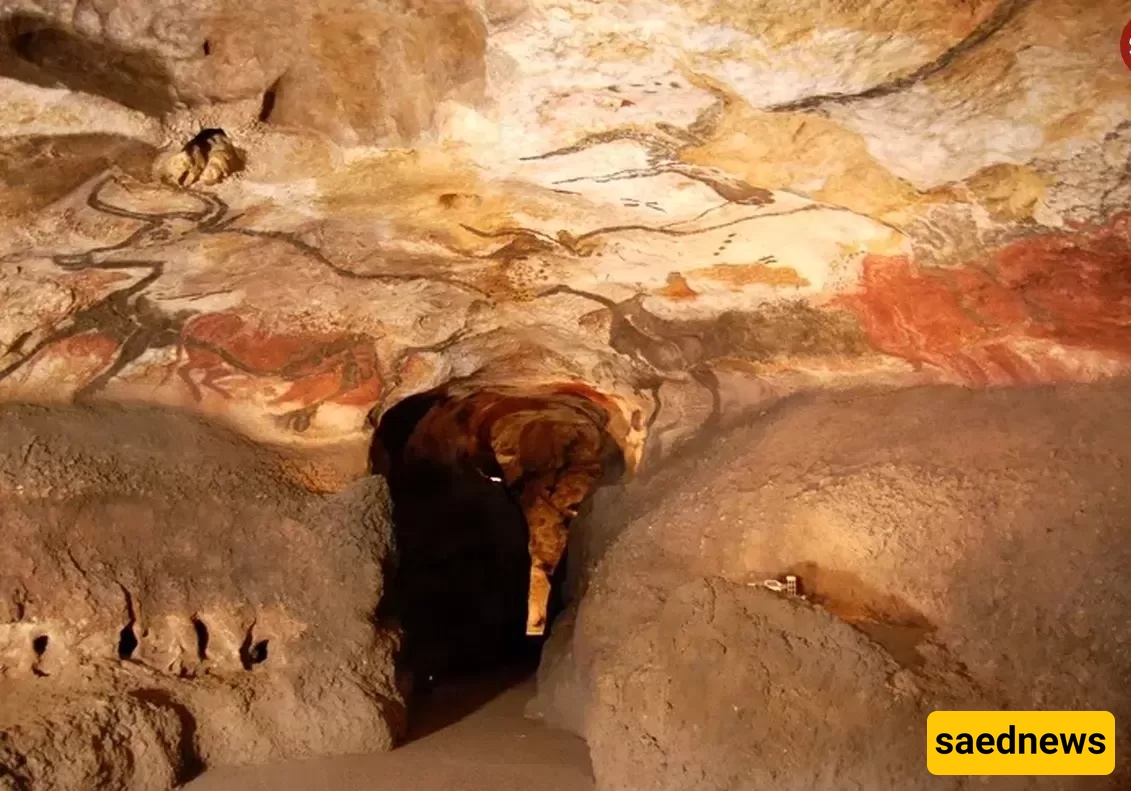
According to Saednews, Located in northern Spain, Altamira Cave is one of the world's most remarkable prehistoric sites. Famous for its extraordinary animal paintings decorating the cave's walls and ceilings, Altamira is considered one of the finest surviving examples of Stone Age art. Below, you'll discover the history, significance, and visitor information about this fascinating archaeological treasure.
Altamira Cave is situated approximately 30 kilometers west of Santander in northern Spain. The cave is renowned for its breathtaking prehistoric paintings, particularly the vivid depictions of bison, horses, deer, and other animals that cover its walls and ceilings. These masterpieces are among the greatest artistic achievements of the Upper Paleolithic period.
The cave was discovered on the estate of Marcelino Sanz de Sautuola, a Spanish nobleman and amateur archaeologist, in the late 19th century. The entrance had been sealed for thousands of years by fallen rocks and layers of sediment. During excavation work, explosives were used to clear the blocked entrance, revealing the hidden cave.
Three years later, while exploring the interior, Sautuola noticed unusual markings on the cave walls. During one of his visits, his young daughter, María Sanz de Sautuola, looked up at the ceiling and spotted magnificent paintings of wild bison. Their discovery revealed an extensive collection of prehistoric artwork unlike anything previously known.
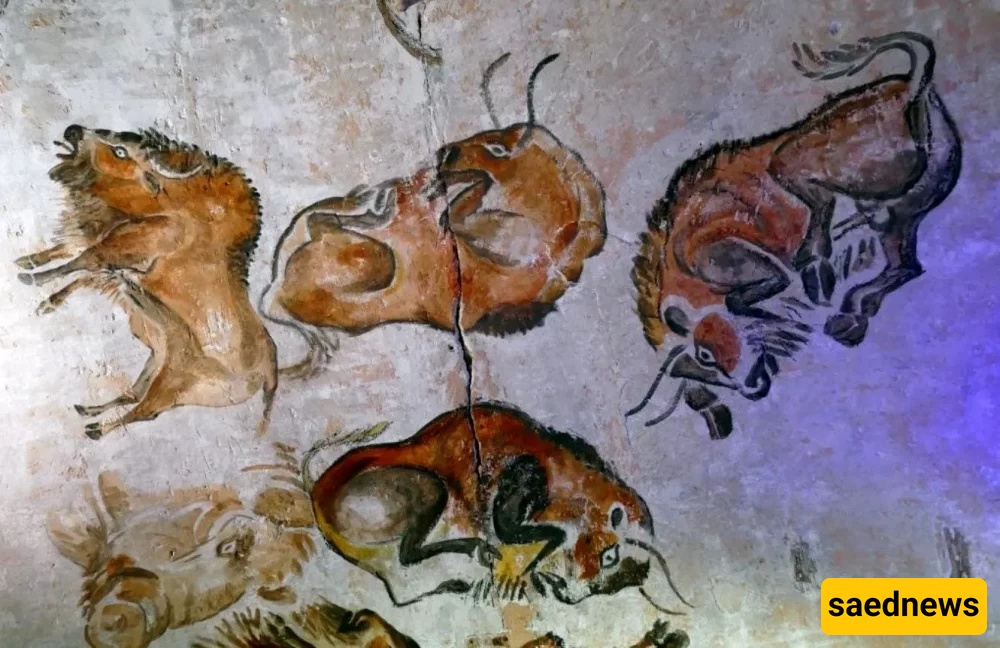
Initially, many scholars dismissed Sautuola's claim that the paintings dated back to prehistoric times, believing they were recent creations made by local artists or shepherds. However, between 1883 and 1901, the discovery of similar cave paintings along the Atlantic coast of Europe, combined with advances in archaeological dating techniques, eventually confirmed that the artwork was genuinely prehistoric and tens of thousands of years old.
Altamira Cave is much more than a natural wonder—it is a priceless record of early human creativity. Millions of years ago, caves served as shelters for prehistoric communities, preserving invaluable evidence of their lives and artistic expression.
Spain is home to numerous prehistoric caves, but Altamira is undoubtedly its most celebrated. Because of its exceptional archaeological and artistic importance, the cave was designated a UNESCO World Heritage Site. The remarkable paintings, skillfully rendered on the cave's limestone surfaces, continue to provide insight into the culture and imagination of our distant ancestors.
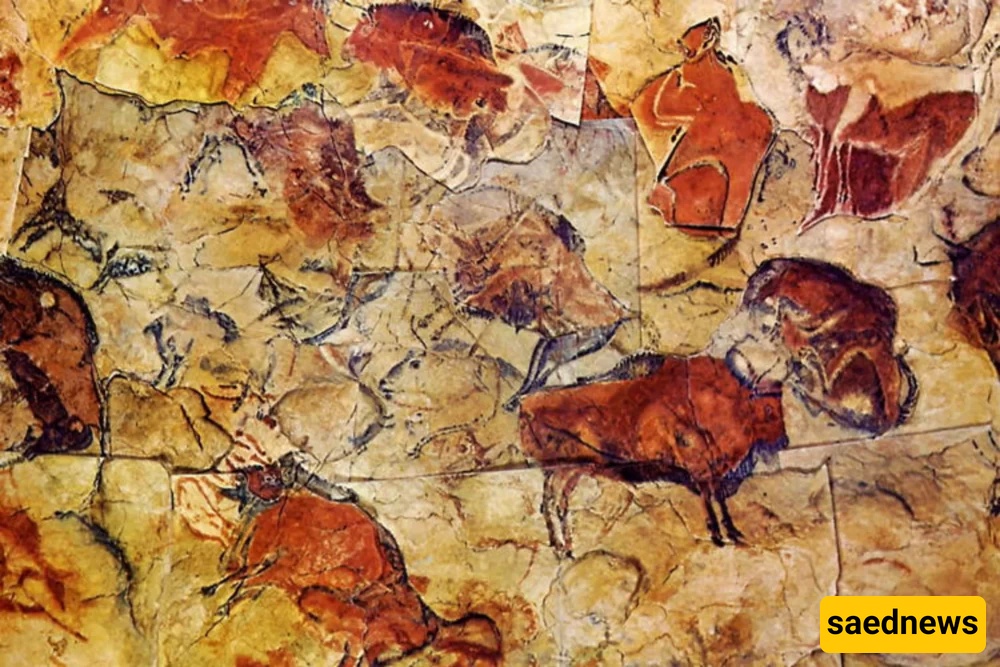
To protect its fragile prehistoric paintings from damage caused by humidity, carbon dioxide, and human activity, public access to the original cave is extremely restricted. Instead, visitors are encouraged to explore the Altamira Museum and the Neocave, an exceptionally accurate full-scale replica of the original cave.
The replica faithfully reproduces the famous ceiling paintings, allowing visitors to admire detailed images of bison, horses, deer, and other animals while preserving the authenticity of the original site for future generations.
Altamira Cave is widely regarded as one of the greatest achievements of prehistoric art. Its vibrant animal paintings demonstrate the remarkable artistic talent and observational skills of early humans, making it an essential destination for anyone interested in archaeology, history, and the origins of human creativity. Today, it remains one of Spain's most treasured cultural landmarks and an enduring symbol of humanity's artistic heritage.