SAEDNEWS: Discover Iran’s Most Untouched Regions: A Journey Through Breathtaking and Enchanting Landscapes
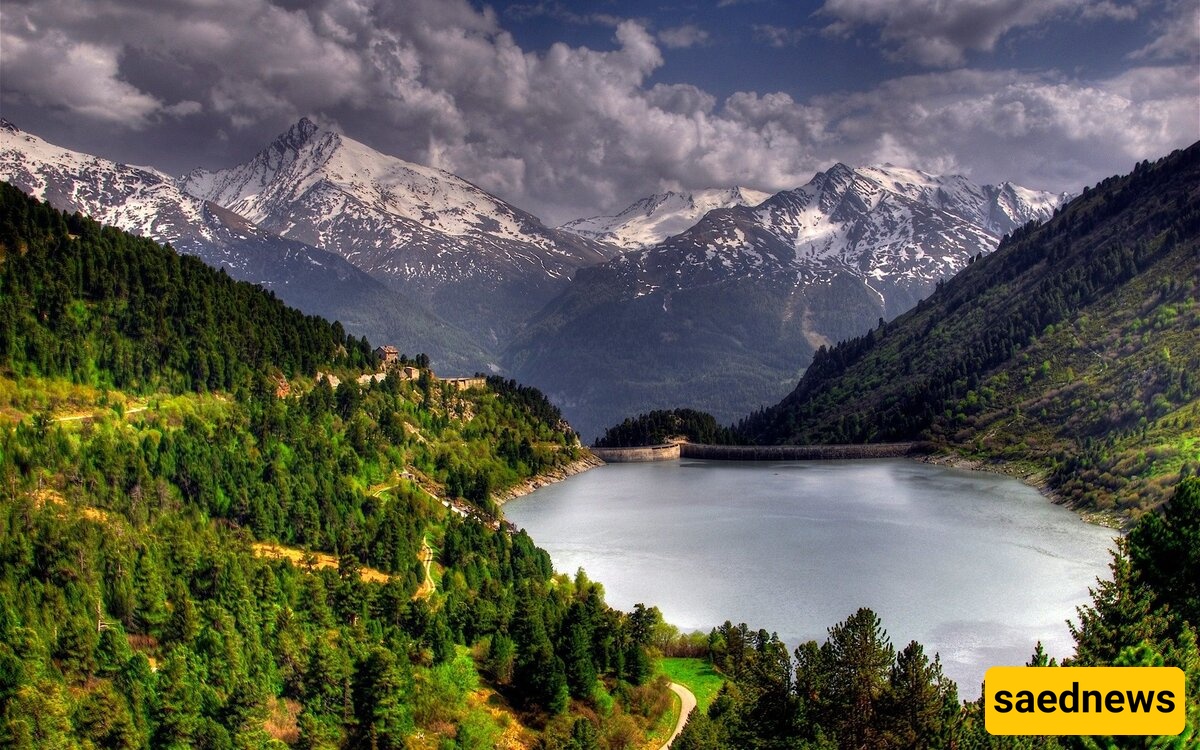
The Most Pristine Regions of Iran for a Delightful Journey
Choosing a travel destination is one of the most important parts of planning a trip. Many people, with only a few limited options in mind, end up repeating similar journeys every year—unaware that Iran is home to some of the most beautiful and untouched landscapes in the world. Many of these natural attractions remain unknown to a large number of travelers.
Here we introduce six (and more) lesser-known scenic destinations in Iran that are worth visiting.
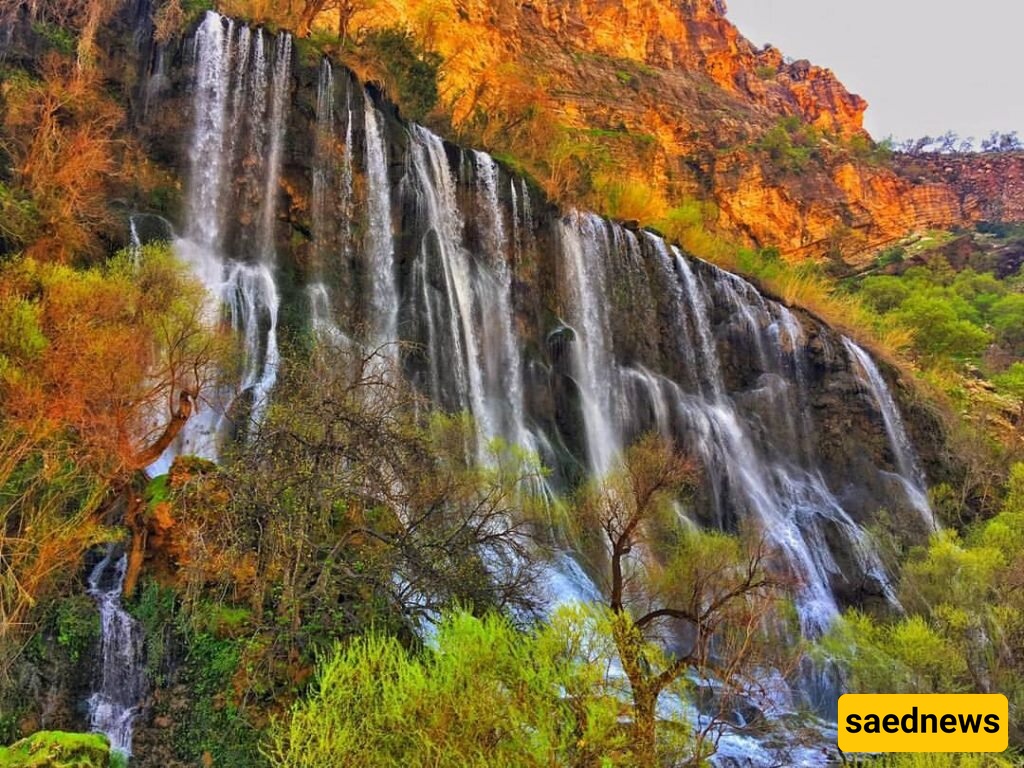
Shiveh Waterfall (also known as Teleh Zang) is one of the largest and most beautiful waterfalls in Iran. It is located in the Sardarabad area of Dezful County in Khuzestan Province, surrounded by lush and stunning nature.
The best time to visit Shiveh Waterfall is early spring, especially in April, when the weather is cool and fresh. In the Luri Bakhtiari language, “Shiveh” means gentleness.
To reach the waterfall, you must travel from Dezful toward the Shahiyon region, pass villages such as Bisheh Bozan, Bazar Gah, and Pirchal, and then continue with a one- to two-hour hike through a scenic mountain trail to reach the site.
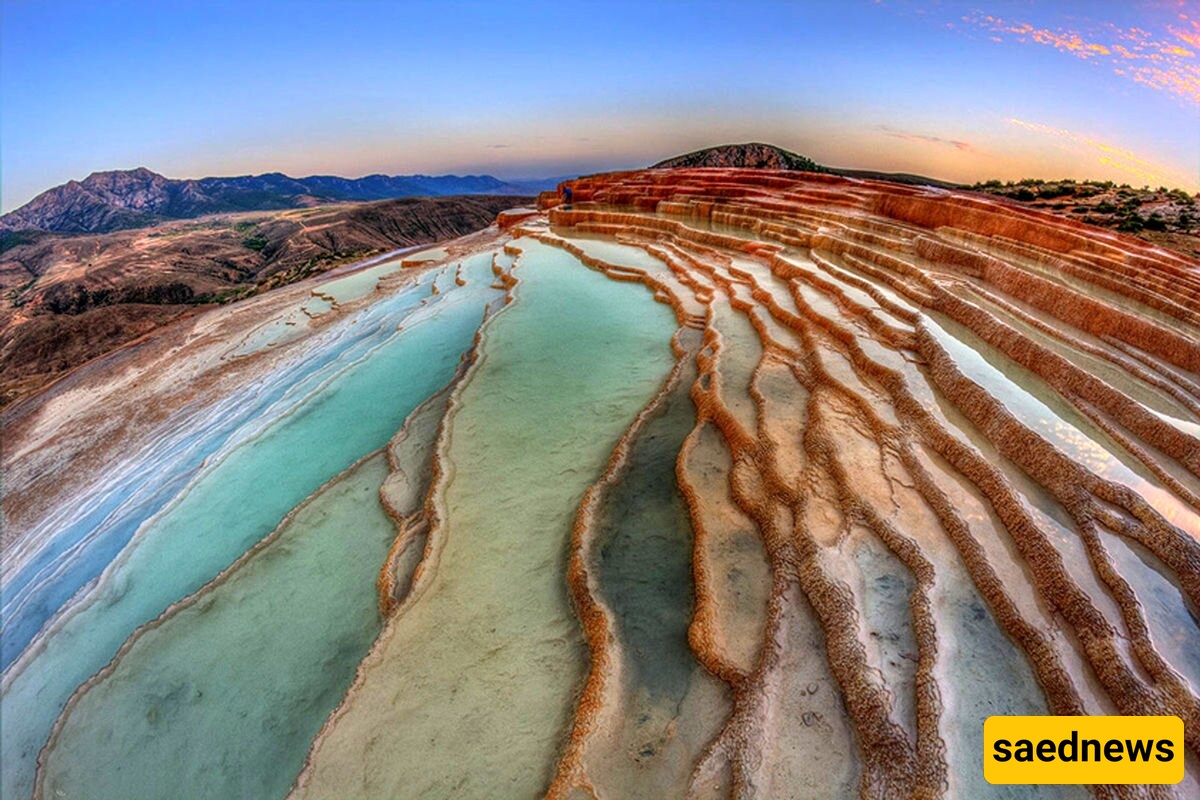
Badab Surt is a unique salt spring in Iran and one of the rarest natural phenomena in the world. It is located in the Chahardangeh district of Sari County.
In 2008, it was registered as Iran’s second national natural heritage site after Mount Damavand.
The most magical moments here are sunrise and sunset, when sunlight reflects off the terraced pools, creating breathtaking natural colors. The site is beautiful throughout the year, but spring and summer are the most popular seasons. In spring, the area is lush and green, while in summer visitors can enjoy bathing in the mineral-rich pools.
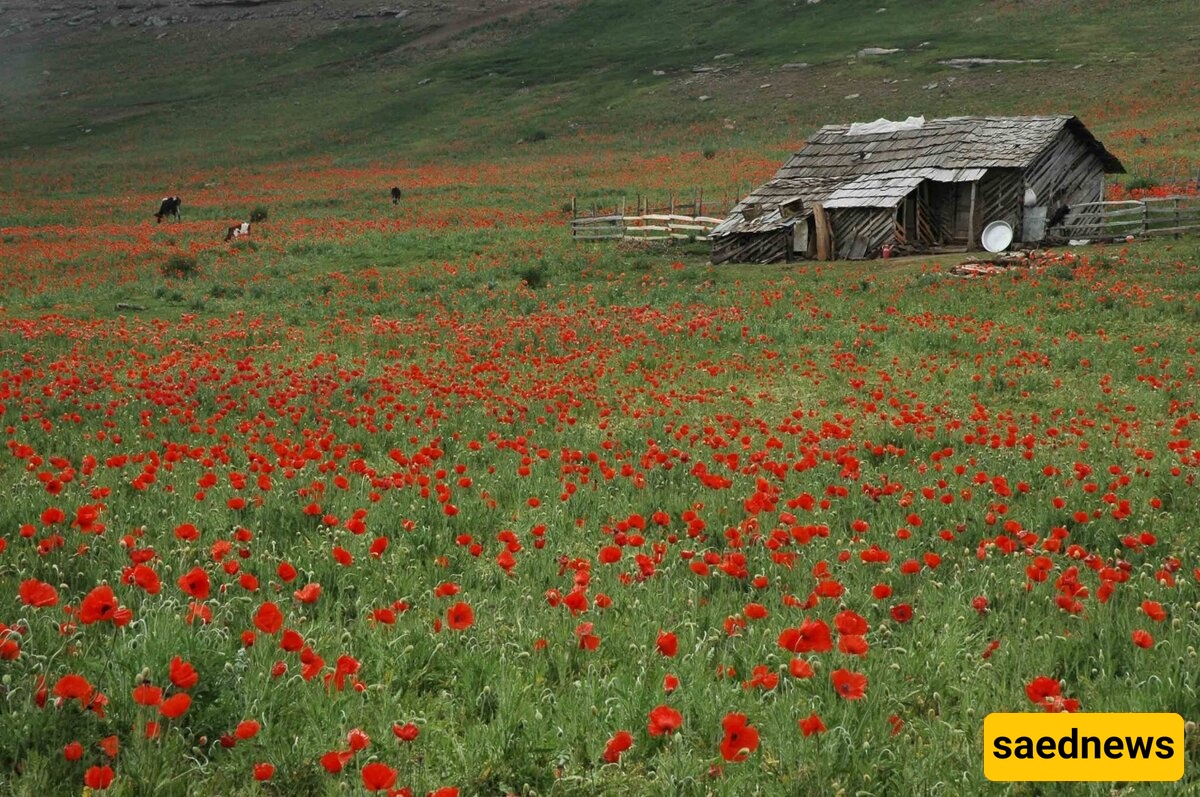
Kalpoush is located in Meyami, Shahrud County, Semnan Province. This region becomes especially famous in spring when vast fields of red poppies bloom, creating a breathtaking landscape.
The Kalpoush poppy fields lie about 140 km north of Meyami. In spring, the area is covered with poppies, while in September it becomes filled with sunflowers. In autumn and winter, due to its proximity to Golestan National Park and wildlife sanctuary, it remains an attractive destination for nature lovers.
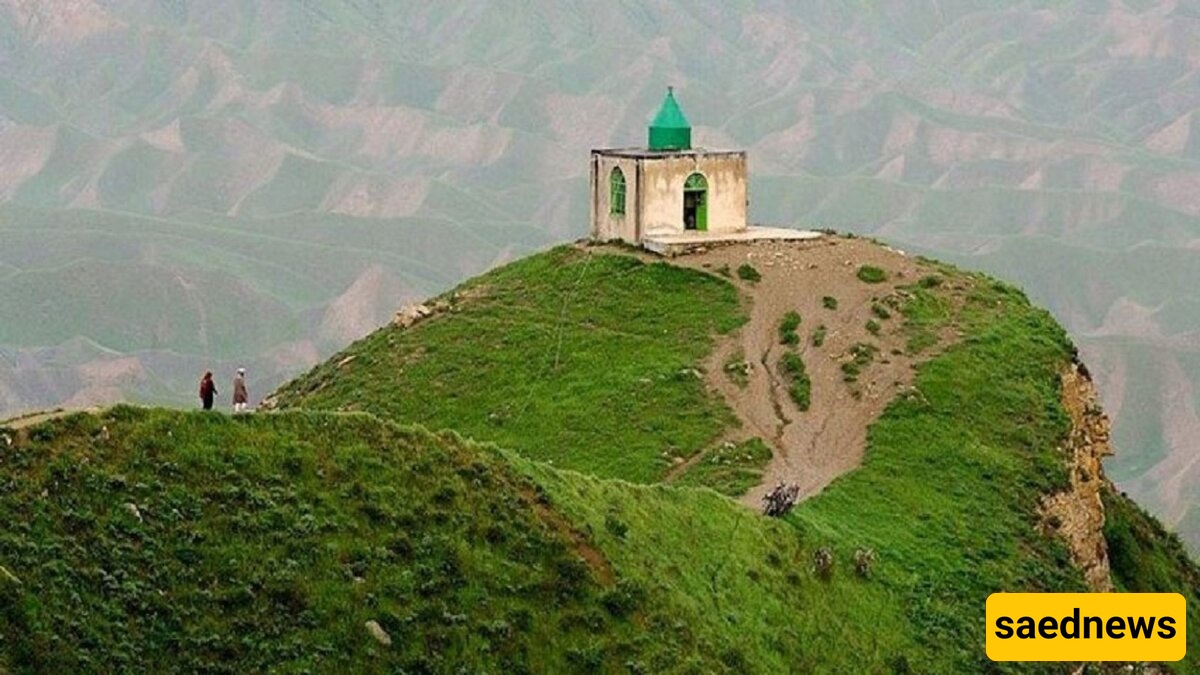
The Khaled Nabi shrine is located in a mountainous region, about 90 km northeast of Gonbad Kavus and near the village of Gachi Su.
Access to the site involves mountain roads, but the route from Kalaleh is relatively easier.
Due to its remote location, lack of facilities, and extreme summer heat and winter cold, the best time to visit is April and May.
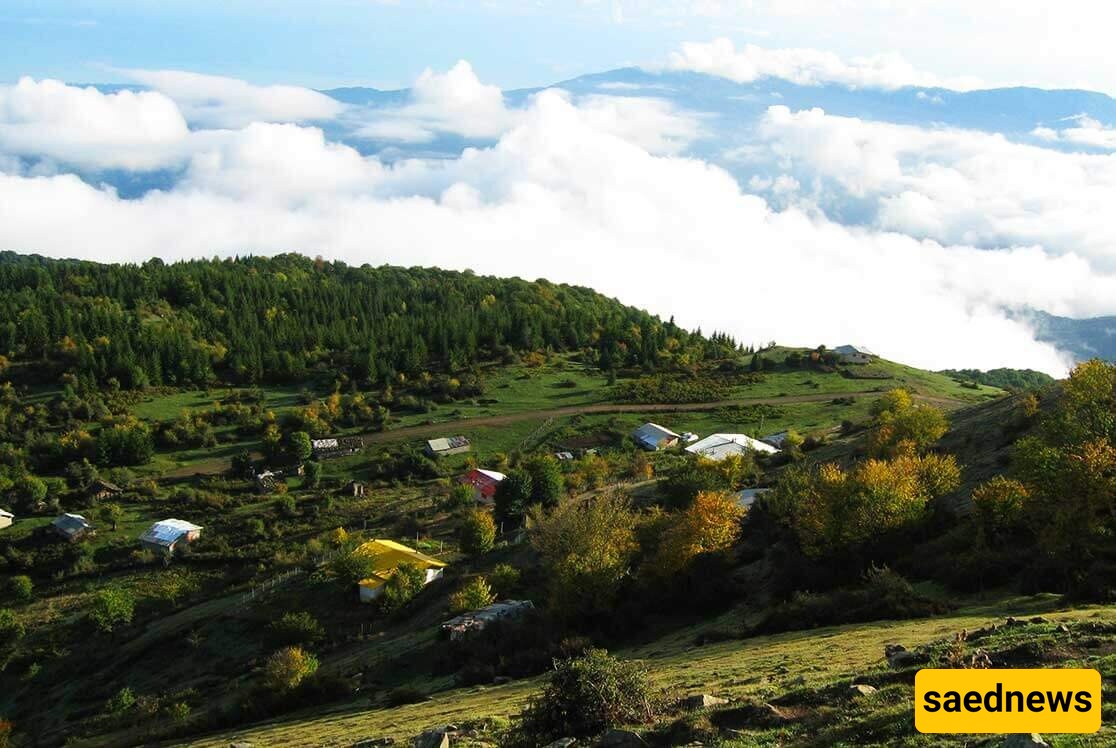
Mazichal is a beautiful village located about 50 km from Abbasabad and near Kalardasht.
It offers a vast panoramic view stretching from Ramsar to Chalus. One of its unique features is that during rainy weather, the village becomes immersed in clouds, creating a surreal floating landscape.
The name “Mazichal” is believed to come from the presence of oak trees in the area. In the local dialect, “Mazi” refers to oak, and “chal” means valley or pit.
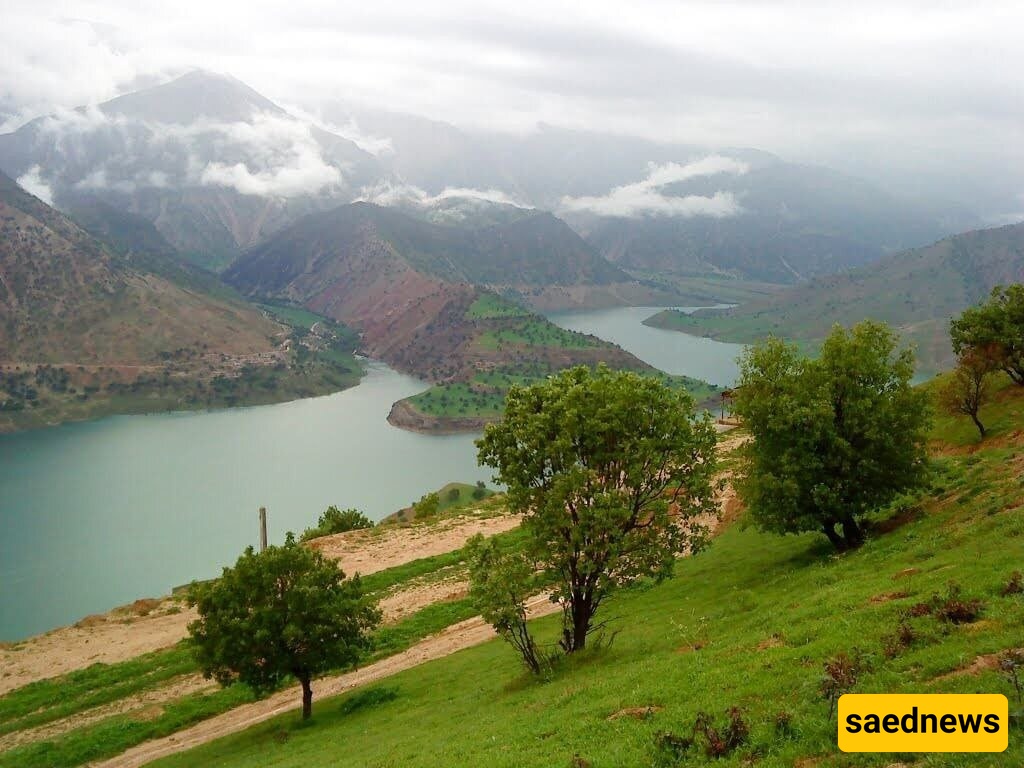
Shimbār (also known as “Shirin Bahar”) lies on the border between Khuzestan and Chaharmahal and Bakhtiari provinces, about 75 km from Masjed Soleyman.
One of its attractions is Mount Qalandaran, known for its wild grapevines. The main access route is the newly built Masjed Soleyman–Shahrekord road, which is partially paved, with dirt roads inside the region.
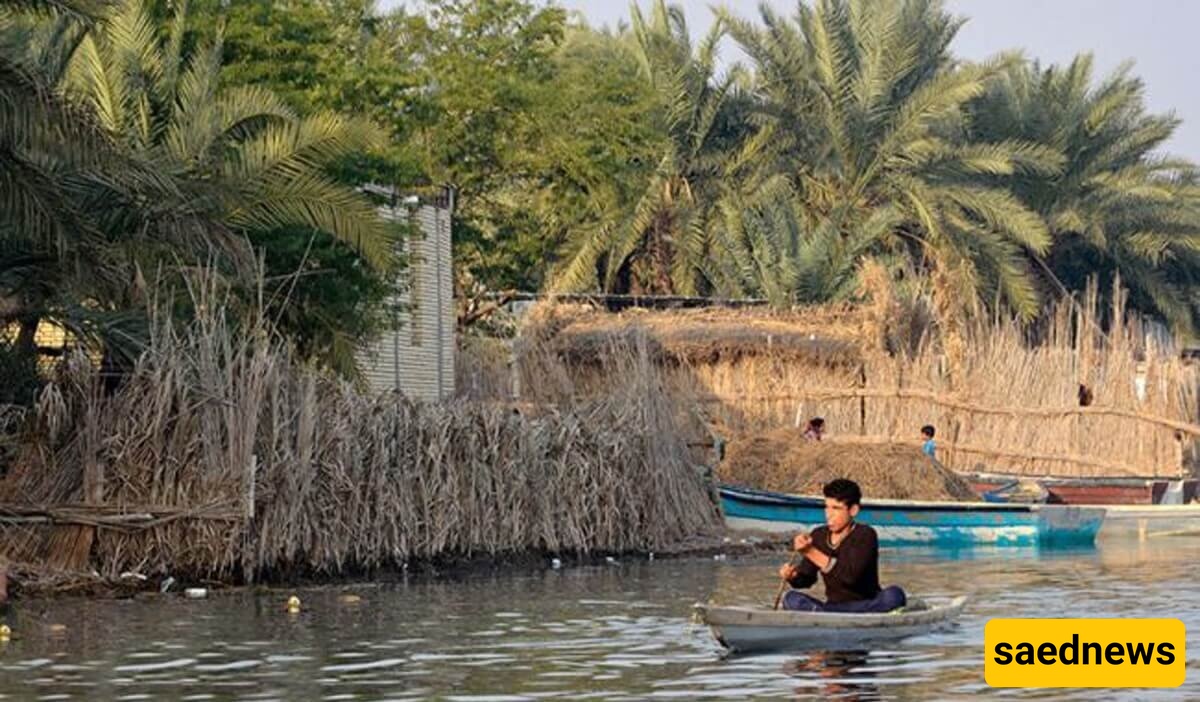
Staying for a few days in reed-covered lands surrounded by the Arvand River and dense palm groves offers an adventurous experience on Minoo Island.
This destination provides an opportunity to experience local southern cuisine, stay in traditional accommodations, and become familiar with the local culture of southern Iran.
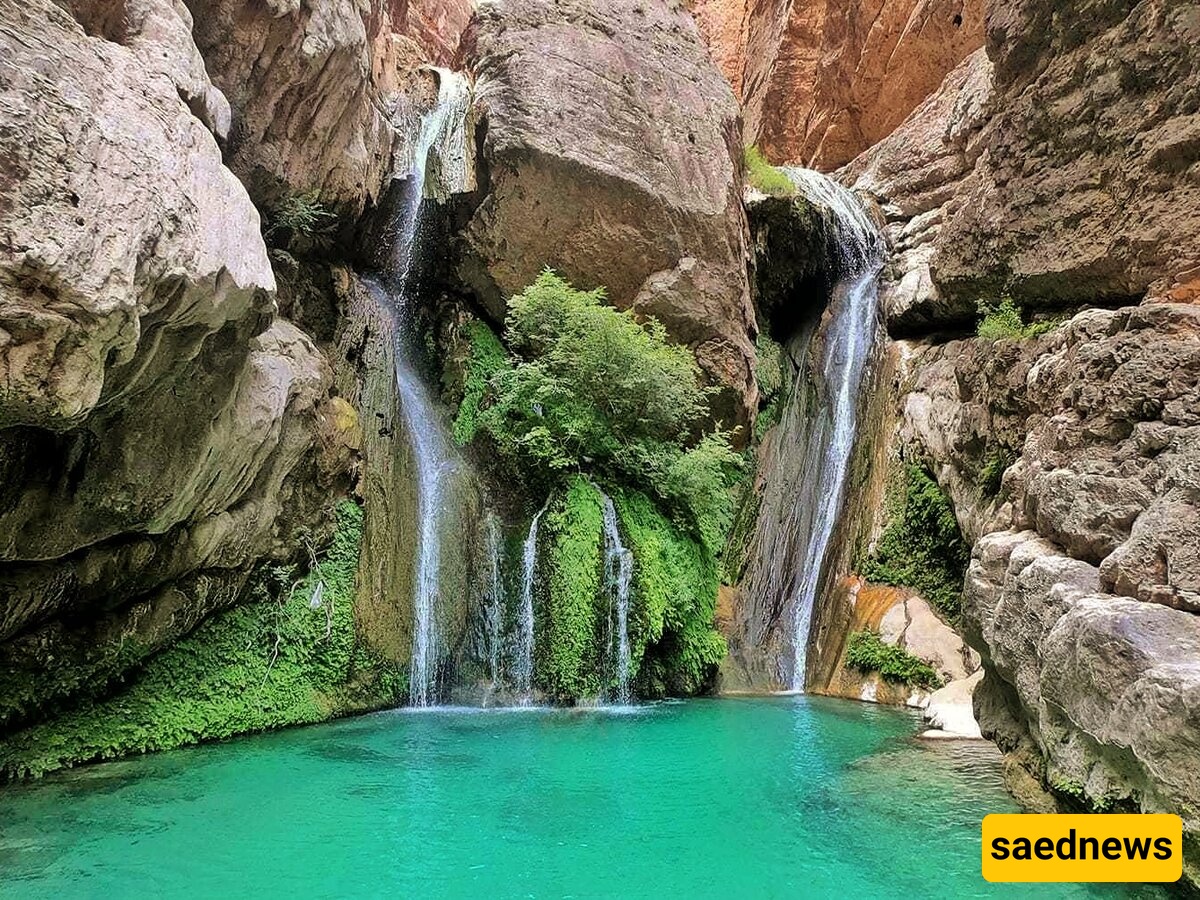
Raghz Canyon is often called the “bride of Iran’s canyons.” It is a symbol of water’s patience—carving its path through rock over thousands of years.
The canyon features many natural pools, each with its own unique shape and character. A stream flows from a spring in the forest, passes through the canyon for about 5 kilometers, and disappears in its southern part.
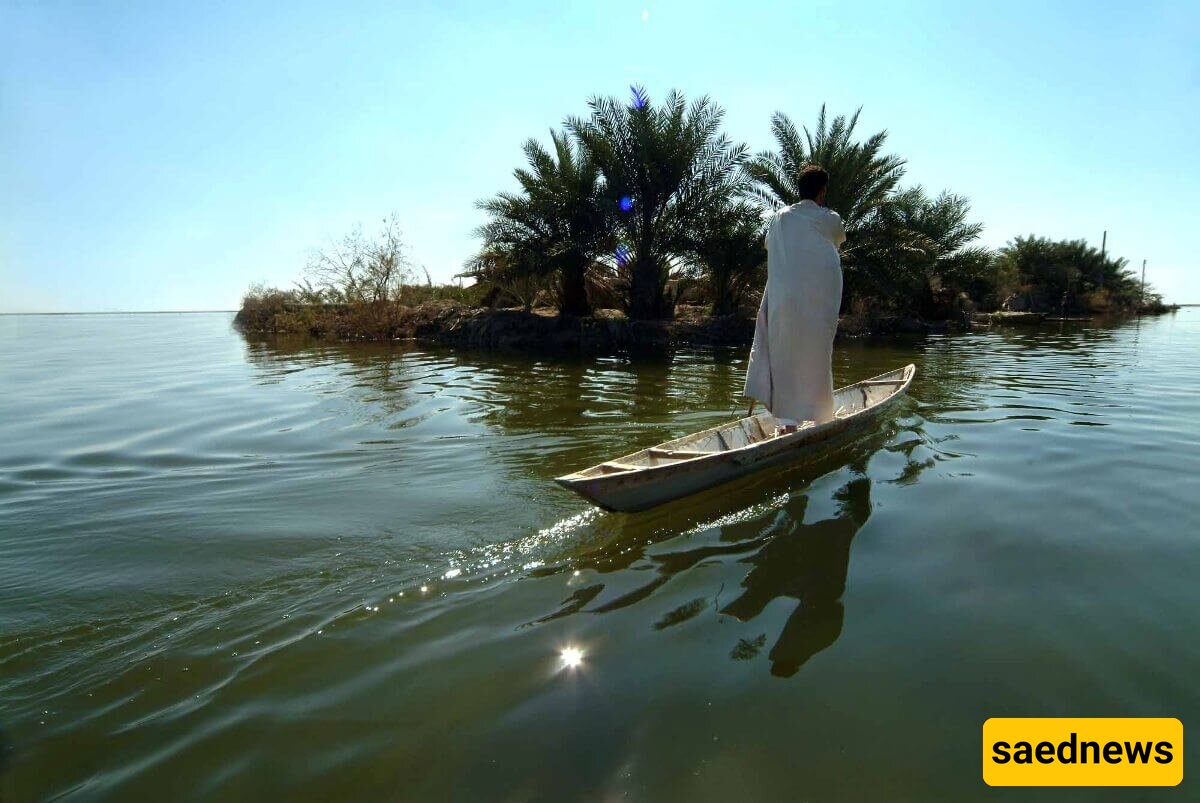
Shadegan Wetland is actually a combination of three wetlands: Khor al-Miyeh, Abu Musa, and Shadegan.
It is the largest wetland in Iran and is home to diverse wildlife. One of its most famous inhabitants is the bottlenose dolphin, known for its friendly behavior toward humans.
One of the most fascinating features of this wetland is the coexistence of fresh and salt water. Time spent here is often described as one of the most valuable experiences in life.
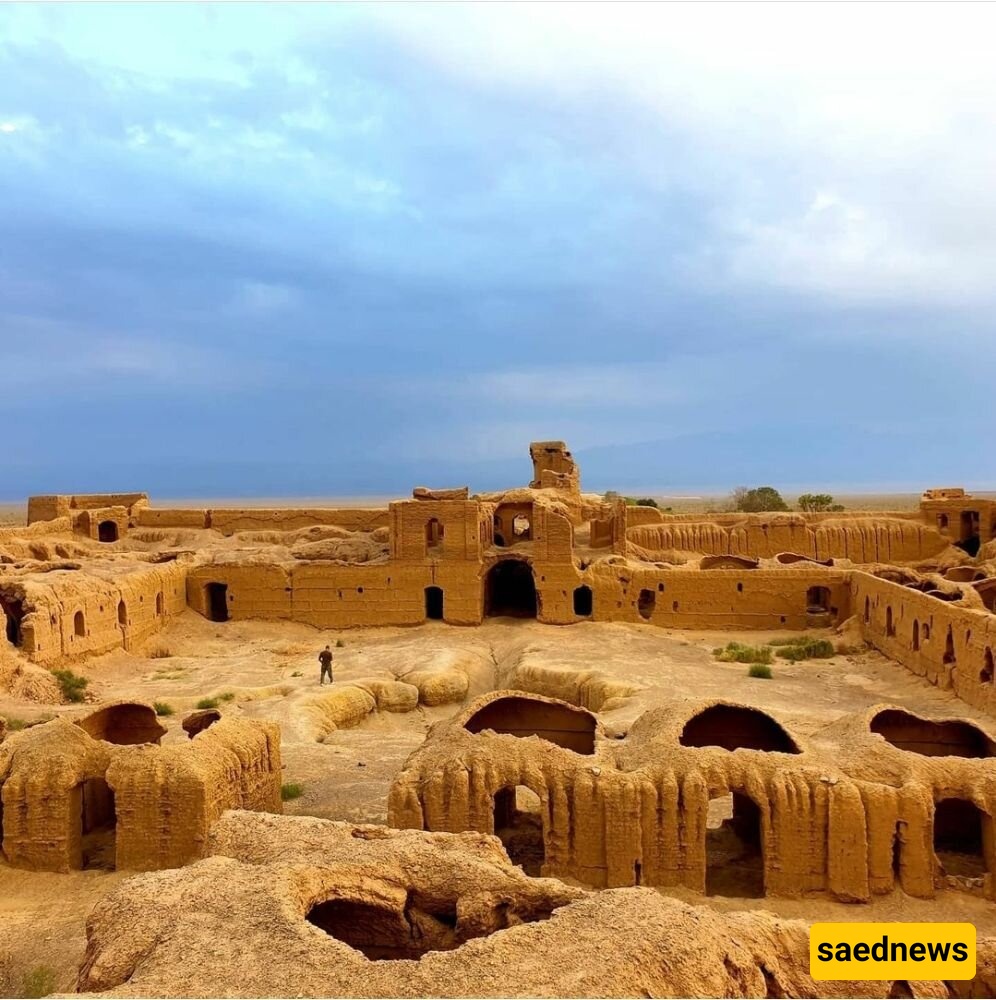
Dating back to the late Qajar era, Karshahi Castle was once a base for groups of outlaws. This mud-brick fortress has five watchtowers, and visiting it allows you to imagine its former grandeur.
It is also known as the “Castle of Thieves” and is located in Abuzeydabad, Isfahan Province.
Beneath the castle lies a network of tunnels and passageways leading toward the surrounding mountains. Nearby desert areas also feature beautiful pomegranate trees, making the region appealing for camping.