SAEDNEWS: Mindset or a way of thinking is the set of beliefs that shapes how we perceive ourselves and the world around us. Psychologists consider it one of the key factors influencing whether we achieve success or experience failure.
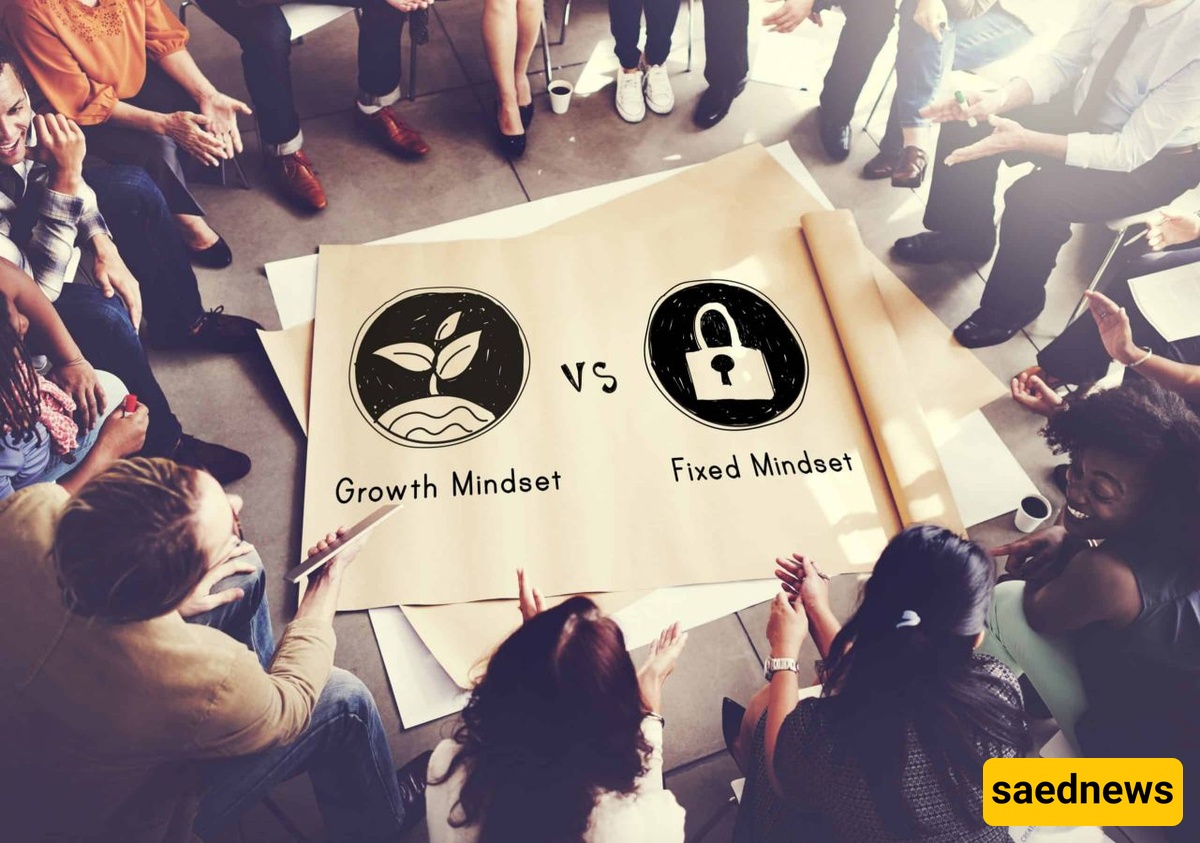
According to Saednews, Mindset (or way of thinking) is the set of beliefs that shapes how we perceive ourselves and the world around us. Mindset is an extremely important topic that major psychologists and experts are currently studying. By learning about mindset, you can have a significant impact on your life, and I am sure it can change your life.
Mindset is a concept that was first introduced by Professor Carol Dweck, who brought about a major shift in the way we understand beliefs and personal development. Although ideas such as attitudes, beliefs, and ways of thinking had been discussed by various people before, the concept of “mindset” was formally developed and popularized by Carol Dweck.
Mindset means that, in different situations, we generally have two types of mindsets that guide our beliefs and thinking:
Fixed Mindset
Growth Mindset
Simply put, one type of mindset can lead us down the wrong path, while the other can help us make better decisions at different moments in life.
With a fixed mindset, a person believes that things cannot really change and that they remain at their existing level.
For example, some people believe that intelligence cannot change and that we will always have exactly the same level of intelligence we were born with. However, research has shown that intelligence can change to some extent.
Having this mindset can negatively affect the way we think and may result in low self-confidence. Self-confidence is influenced by both mindset and skills.
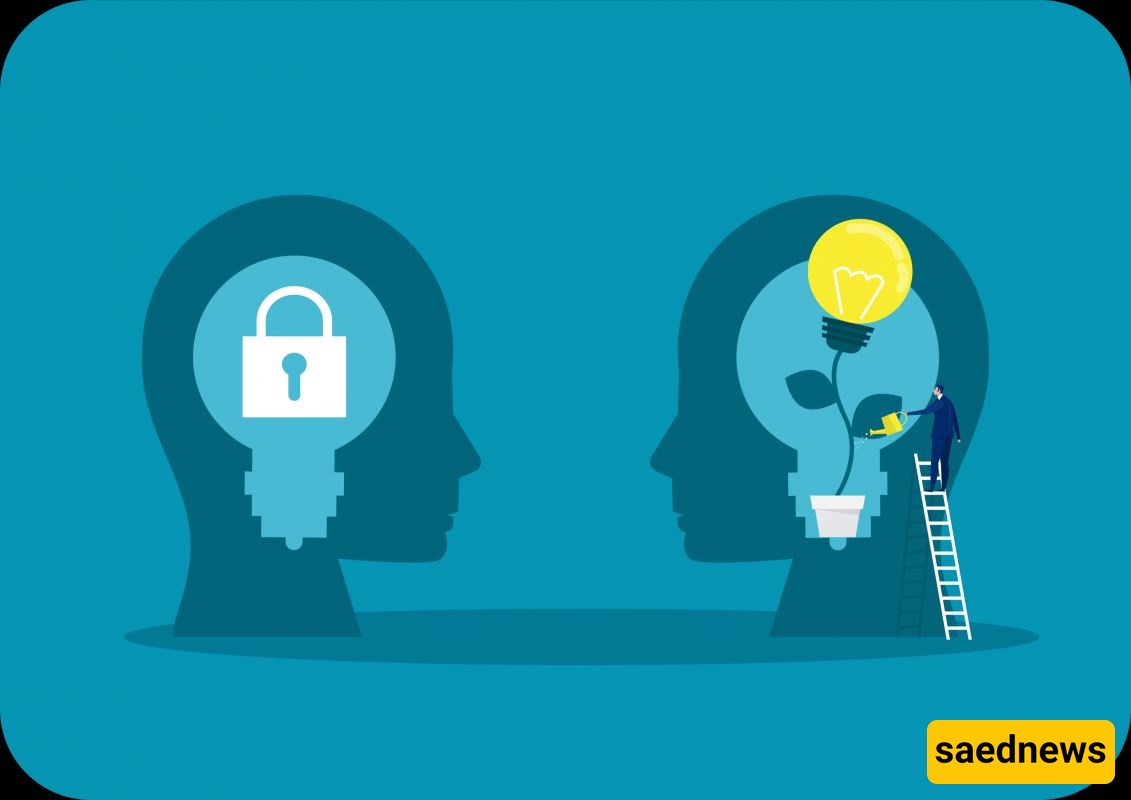
A growth mindset is the opposite of a fixed mindset. A person with a growth mindset believes that their abilities and characteristics can be developed through effort.
How much natural talent someone has is not considered the most important factor. Different skills can be learned and improved through practice, effort, and persistence.
Both growth and fixed mindsets involve different ways of interpreting important experiences. Some of the most important ones include:
The meaning of effort
The meaning of failure
The meaning of challenges
The meaning of achievement
A fixed mindset suggests that effort is not really necessary. According to this way of thinking, successful people should succeed without having to work hard, and making an effort is seen as something for people who lack ability.
In other words, effort is considered meaningless. The focus is placed on natural talent, with the assumption that if someone does not have a particular talent, they cannot develop it through effort.
Failure is often interpreted incorrectly from a fixed-mindset perspective. When someone fails, they may feel as though everything is over and that there is no point in continuing.
They see failure as a sign that they have reached the end of the road and may make little effort to improve in the future.
In a growth mindset, however, failure does not mean the end.
With a growth mindset, the bigger the challenge, the greater the opportunity for growth. People with this mindset tend to welcome challenges.
In contrast, people with a fixed mindset often avoid challenges. They prefer to remain in their comfort zones and avoid taking actions that feel unfamiliar, difficult, or risky.
From a fixed-mindset perspective, achievement may be seen as something that successful people gained through an easy method. People often focus only on the final result without considering the years of hard work behind it.
In reality, many achievements are the result of years of effort, practice, persistence, and overcoming difficulties.