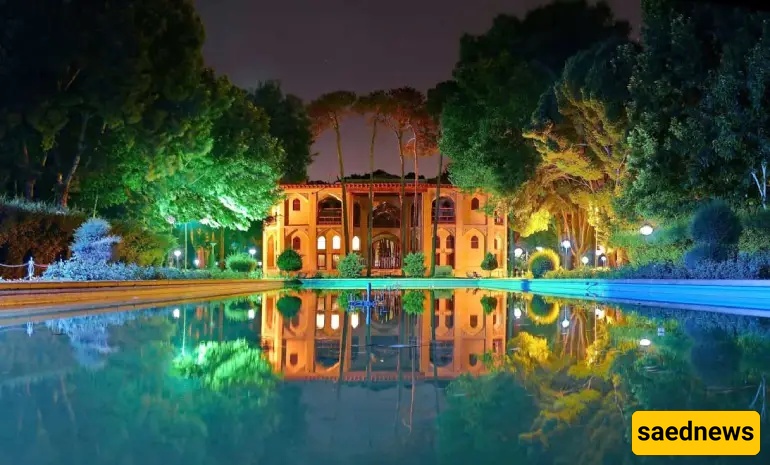
SAEDNEWS: Isfahan never fails to amaze. Full of history and charm, it’s home to the stunning Hasht Behesht Palace, where you can also enjoy the lively atmosphere of the famous Chahar Bagh.
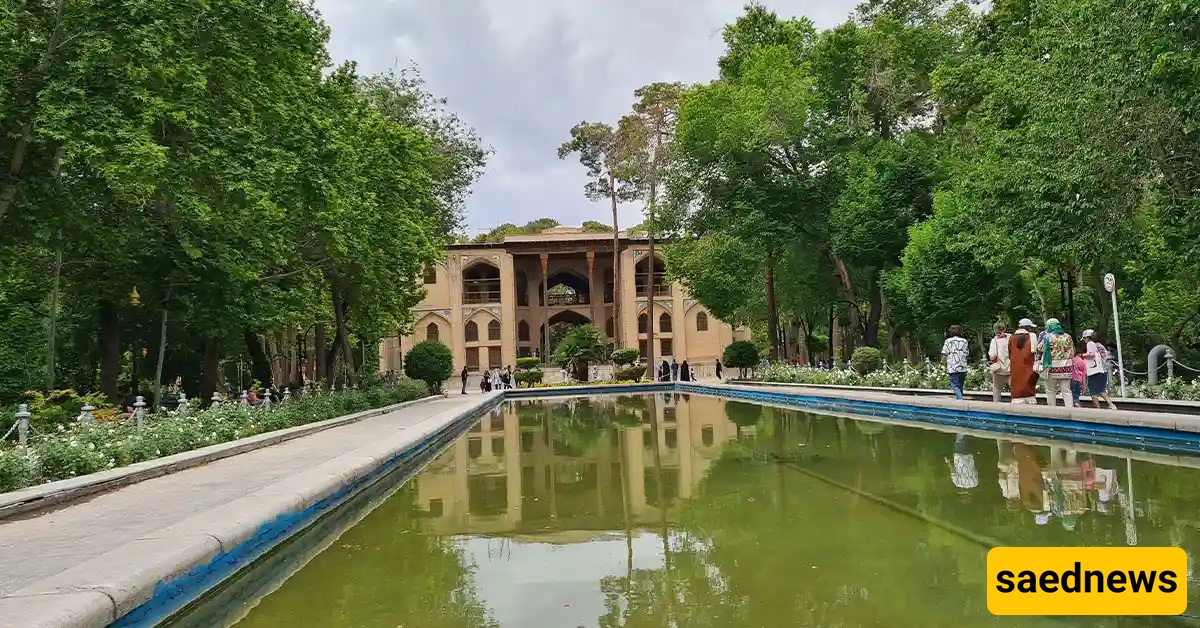
Hasht Behesht Palace in Isfahan, a lasting masterpiece of Safavid architecture, stands as one of the city’s most captivating attractions. Located in the heart of this historic city, the palace was built in 1080 AH by order of Shah Suleiman Safavi. Nestled within a large, lush garden, it gleams like a jewel amid greenery.
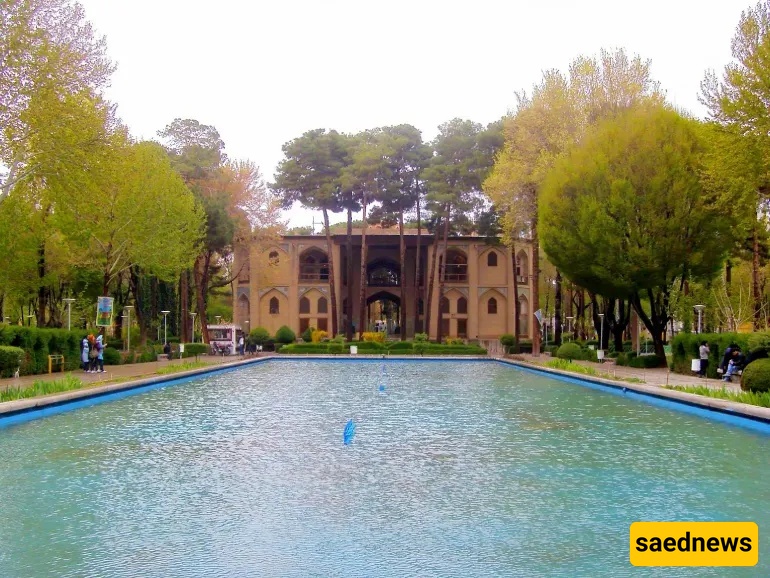
With its two-story design and exquisite decorations, Hasht Behesht exemplifies Iranian-Islamic art in the Isfahani architectural style, making it a standout among Isfahan’s historic landmarks.
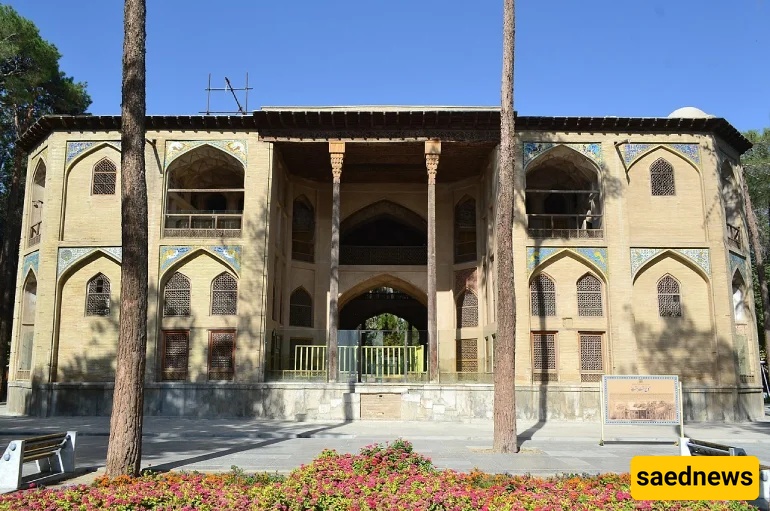
One of Isfahan’s most beautiful and renowned historical buildings, Hasht Behesht Palace reflects the grandeur of Safavid architecture. Its name, meaning “Eight Paradises,” symbolizes eight beautiful gardens or earthly paradises, an idea embedded in the palace’s design and naming.
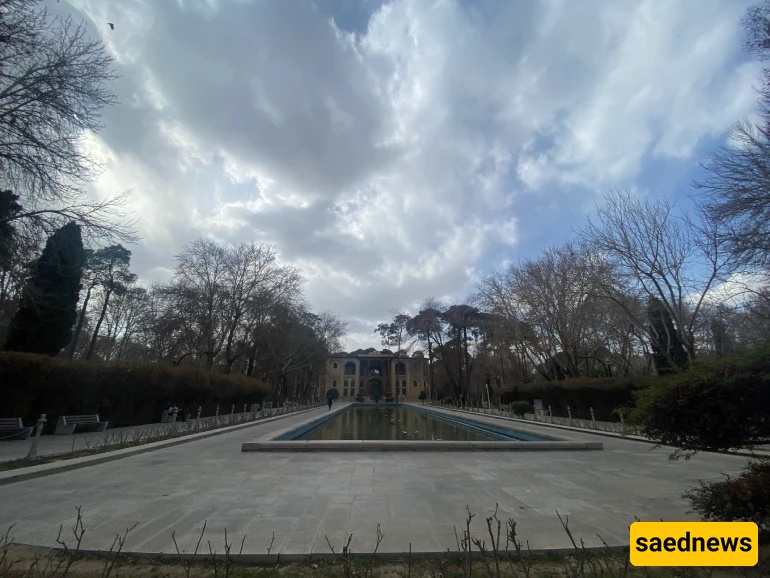
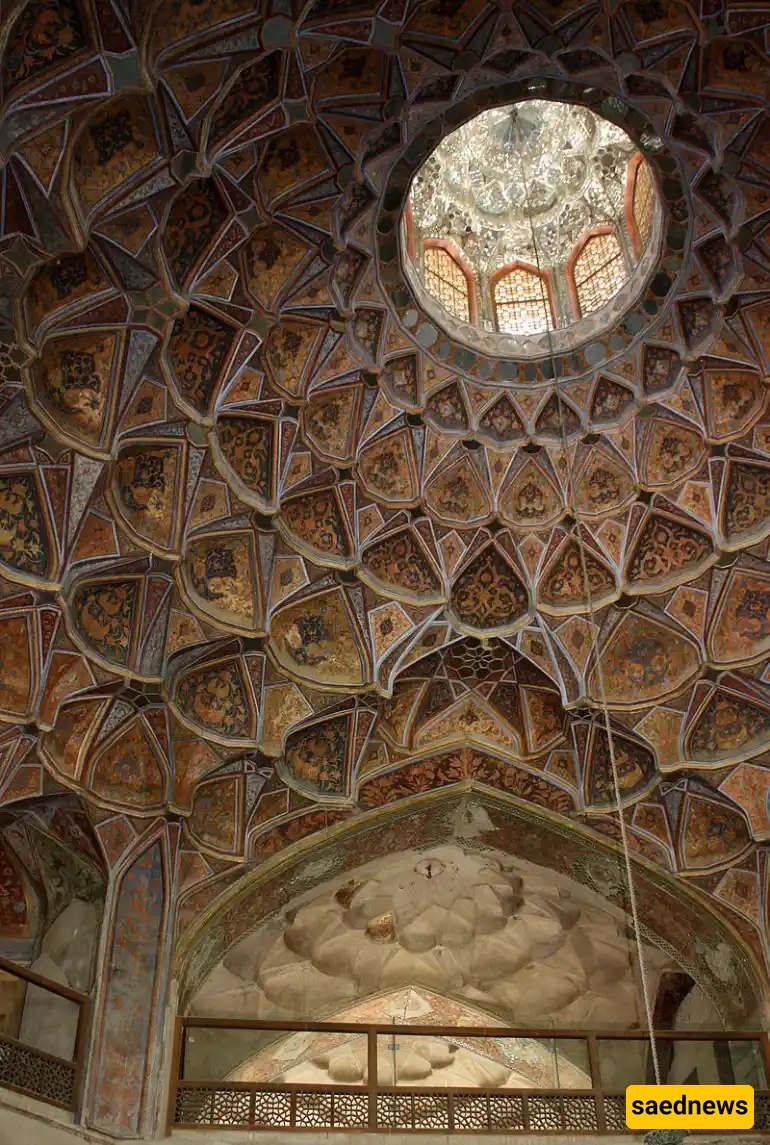
The palace features an octagonal layout with four distinct façades, each offering unique characteristics. The exterior is adorned with intricate tilework, stucco, and artistic paintings, while the interior showcases detailed reliefs and artistic motifs, creating a strikingly beautiful environment.
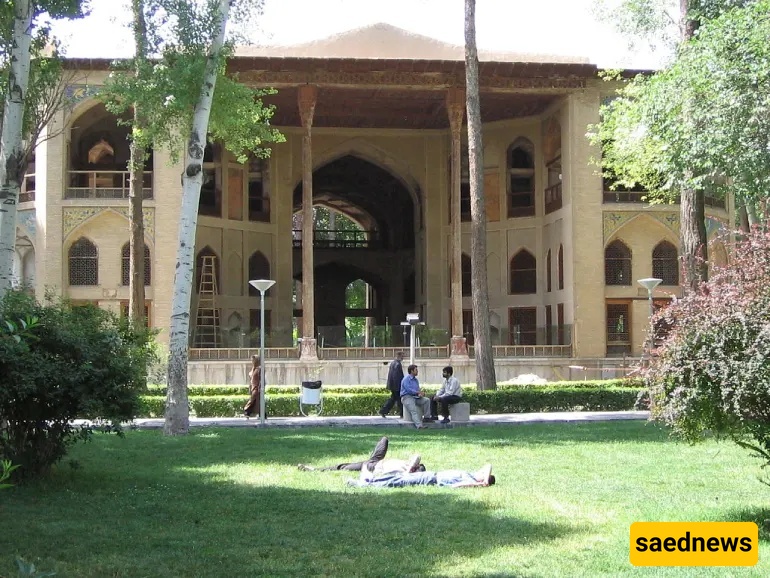
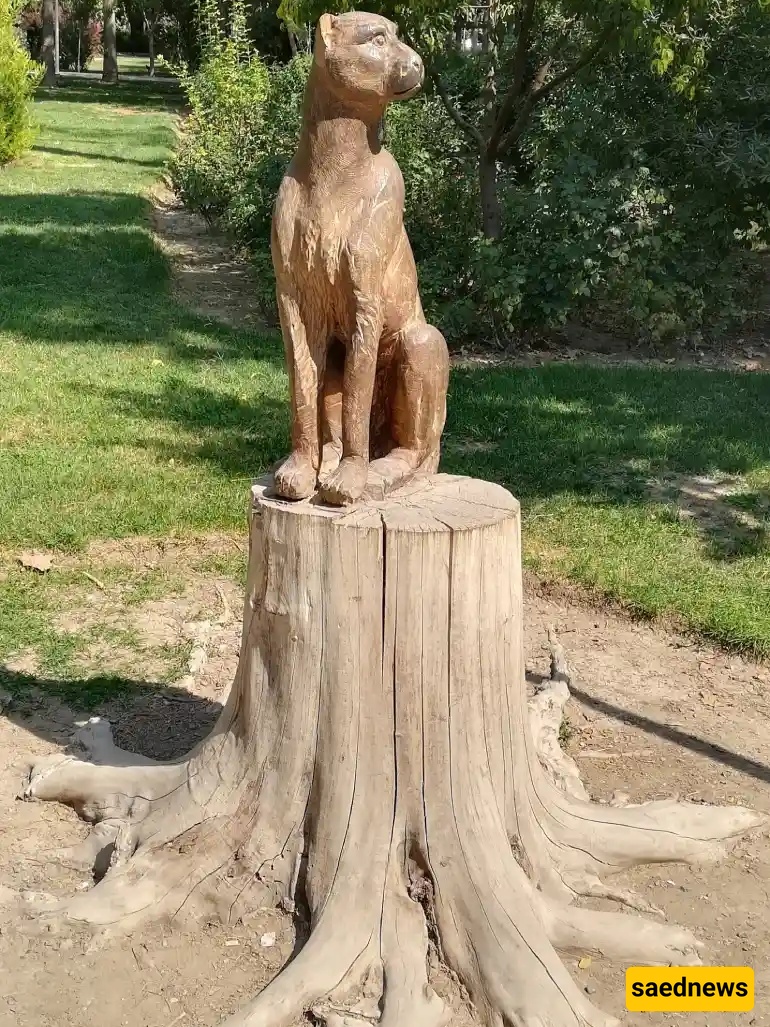
Surrounded by a vast garden that was once part of the grand Naqsh-e Jahan Garden, the palace’s grounds feature tall, verdant trees, expansive lawns, and flowerbeds, providing a serene and picturesque experience for visitors.
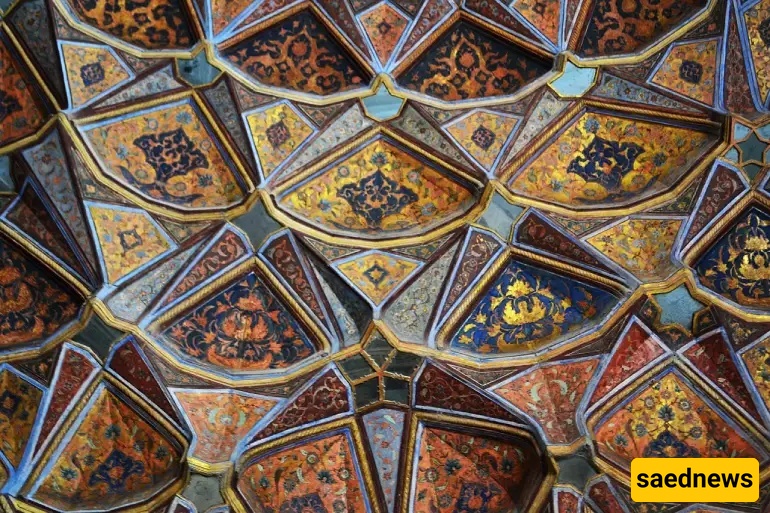
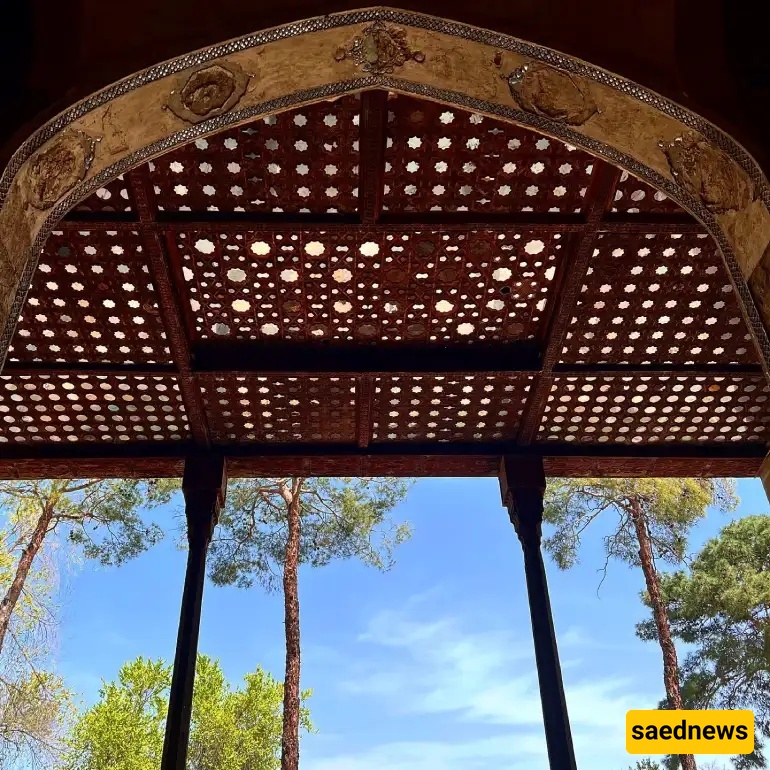
Inside, the palace includes multiple elegantly designed sections: an entrance veranda, a central hall, the main veranda, and numerous rooms on both floors. The rooms are decorated with detailed paintings of animals, birds, and hunting scenes, while ceilings and walls feature intricate stucco and geometric patterns, some of the most captivating elements of the palace’s architecture.
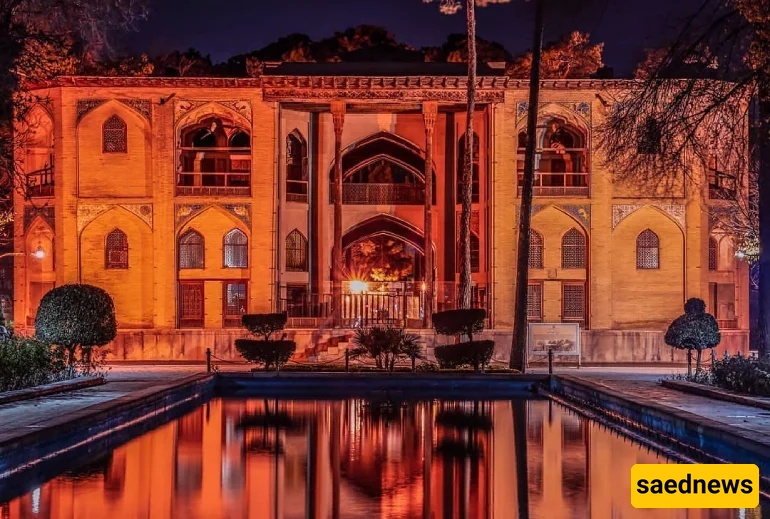
Delicate tilework, floral and animal motifs, and vibrant colors are characteristic throughout, reflecting the essence of Iranian artistry. These decorations make visiting Hasht Behesht a visually enriching experience.
Hasht Behesht Palace is located on Goldasteh Street, within Shahid Rajaee Park, Isfahan. It is also accessible from Chaharbagh Street, opposite Sheikh Bahaei Street.

By Metro: Take Line 1 to Imam Hossein Station, then walk through Chaharbagh or Shahid Rajaee Park to reach the palace.
By Bus: Take a BRT line to Imam Hossein Square, then walk through the park to the palace entrance.
The palace can be visited year-round. In spring and summer, the garden is lush and green; autumn offers colorful foliage; and in winter, a snowy landscape creates a magical scene. For milder weather, spring and autumn are ideal. The palace is open daily from 9 a.m. to 5 p.m.
Constructed in 1080 AH under Shah Suleiman Safavi, Hasht Behesht quickly became a symbol of Isfahan’s beauty. Its name, “Eight Paradises,” reflects a legendary connection to eight earthly gardens or a residence for the Shah’s eight favorite women. It was once acclaimed as “the most beautiful palace in the world,” celebrated by travelers and poets alike.
During the Qajar era, Naser al-Din Shah entrusted the palace to Banoo Eftekhar-od-Dowleh, under the condition that its architecture remain unchanged. Over time, parts of the palace’s gilded decorations, paintings, and mirrors were obscured by excessive stucco work. Restoration efforts began in 1964, with experts from Iran and Italy working to revive the palace’s original splendor. Today, it is overseen by the Cultural Heritage Organization and remains one of Isfahan’s most significant historical sites.
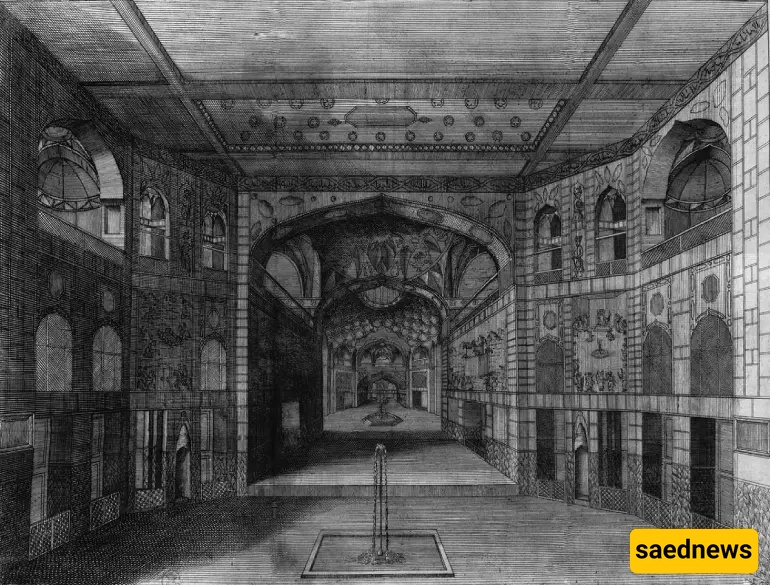
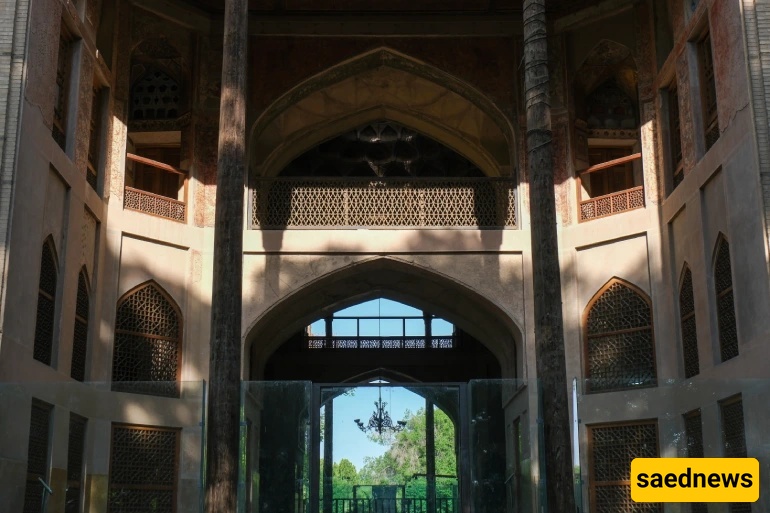
Situated in the Bolbol Garden, the two-story palace rests on a two-meter marble platform. Tall wooden columns and detailed stucco draw immediate attention. The main veranda faces north and features intricate muqarnas and gilded decorations. The central hall, with an octagonal pool and fountain, exudes grandeur, while the surrounding octagonal rooms were designed for entertaining female guests, adorned with paintings and mirrors.
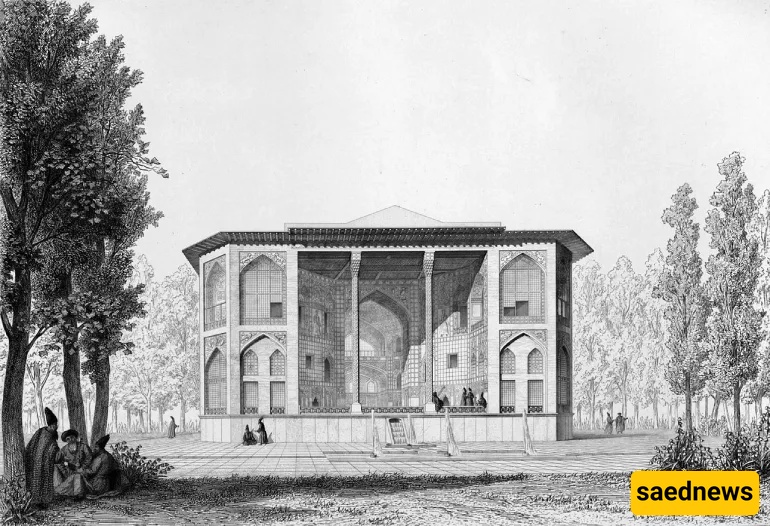
The second floor features verandas, arches, and chambers with artistic embellishments, including stucco, paintings, and stained glass. Some rooms include wall heaters and colorful mosaic ceilings.
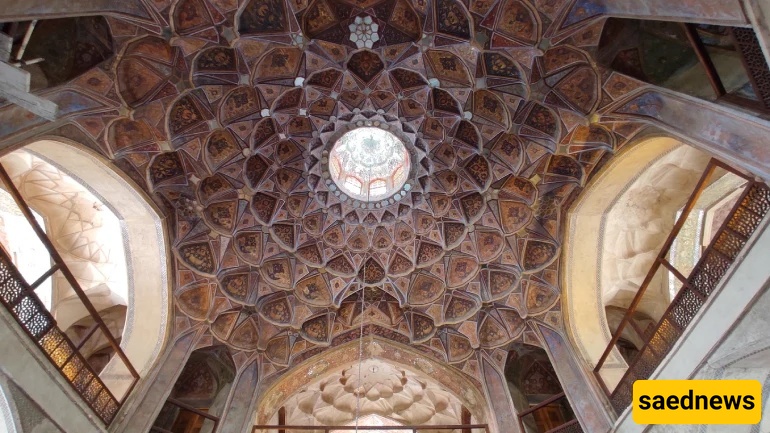
Gardens: The surrounding gardens include centuries-old trees, flowerbeds, and leafy pathways, offering serene spaces for walking and photography.
Entrance Veranda: A delicately decorated gateway showcasing Safavid tilework and architectural details.
Central Hall: Features stuccoed columns and intricate designs, guiding visitors from the exterior to the palace’s inner beauty.
Main Veranda: Highlights the octagonal structure and offers views of the gardens and open spaces.
First-Floor Rooms: Tall ceilings and vibrant wall motifs create an atmosphere of serenity and grandeur.
Second-Floor Rooms: Accessible via elegant staircases, these rooms offer exceptional views of the garden and are richly decorated for royal guests.
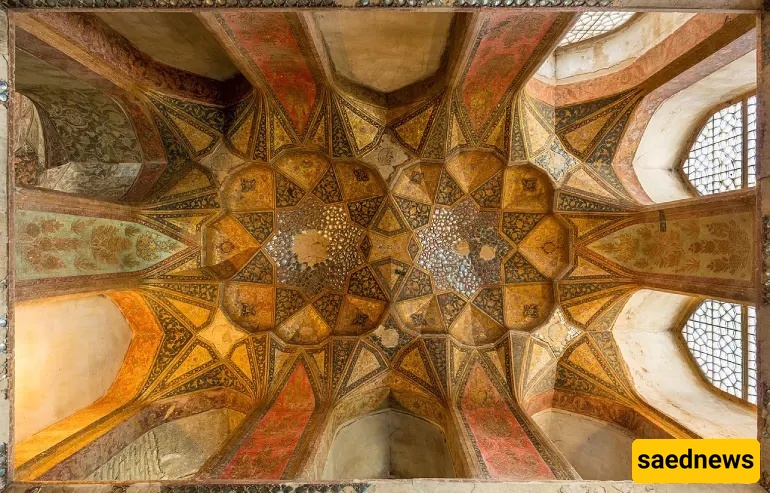
Ceilings are adorned with unique stucco work and complex geometric patterns, while walls feature detailed paintings of birds, reptiles, and hunting scenes, bringing the palace to life. These artistic decorations make Hasht Behesht one of the finest examples of Iranian art.
The palace is within Shahid Rajaee Park, offering rest areas, public restrooms, and a nearby parking lot. Its proximity to Chaharbagh Street provides easy access to cafes, restaurants, and shops.
Ali Qapu Palace: 1.3 km away, known for its tall arches and stunning views of Naqsh-e Jahan Square.
Si-o-se-pol Bridge: 1.6 km away, a Safavid-era bridge with 33 arches over the Zayandeh River.
House of Constitutionalism: 2.9 km away, a museum dedicated to Iran’s constitutional movement.
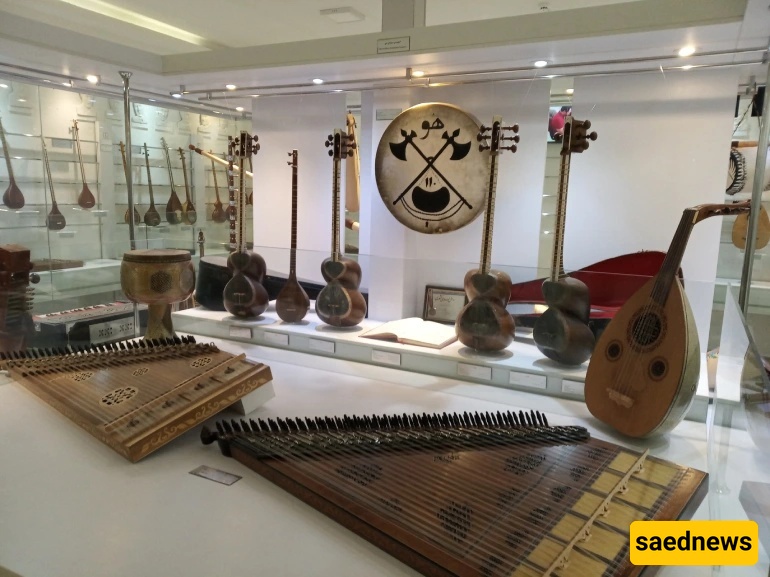
Isfahan Music Museum: 3.3 km away, showcasing Iranian musical instruments and history.
Vank Cathedral: 3.5 km away, an Armenian church with remarkable murals.
Visit in the morning or late afternoon for comfortable weather and soft light.
Exploring the palace typically takes about an hour.
One entrance ticket provides access to all palace areas and gardens.
Respect the quiet and avoid touching artifacts to preserve them for future generations.
With its stunning architecture, intricate decoration, and beautiful gardens, Hasht Behesht Palace offers a memorable glimpse into Isfahan’s Safavid-era grandeur.