SAEDNEWS: Azadshahr in Golestan, like all northern Iranian cities, boasts beautiful natural attractions. Traveling to Azadshahr and spending leisure time amid its unexplored nature is an unforgettable experience.
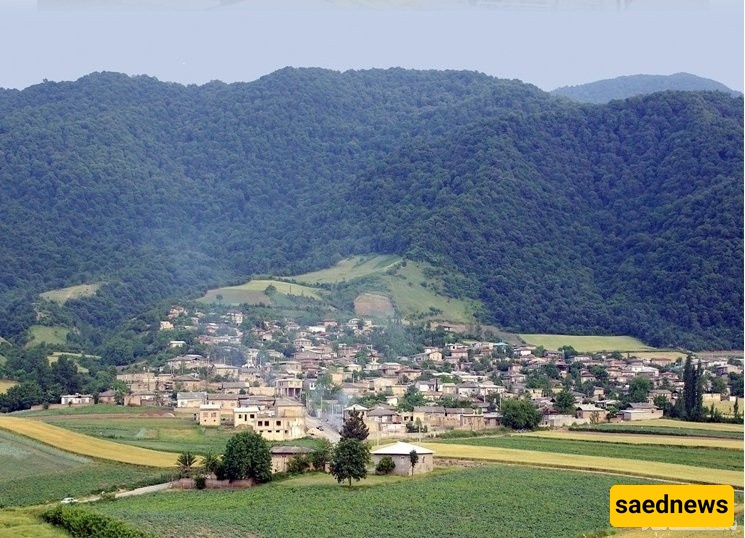
Sujaq Forest Park is located in Noudeh Khandouz, one of the small towns of Azadshahr. This recreational area, filled with stunning natural scenery, is a must-visit in the region. Springs, rivers, and lush trees make Sujaq a breathtaking and memorable destination. It is one of the most famous tourist spots in Azadshahr and its neighboring towns.
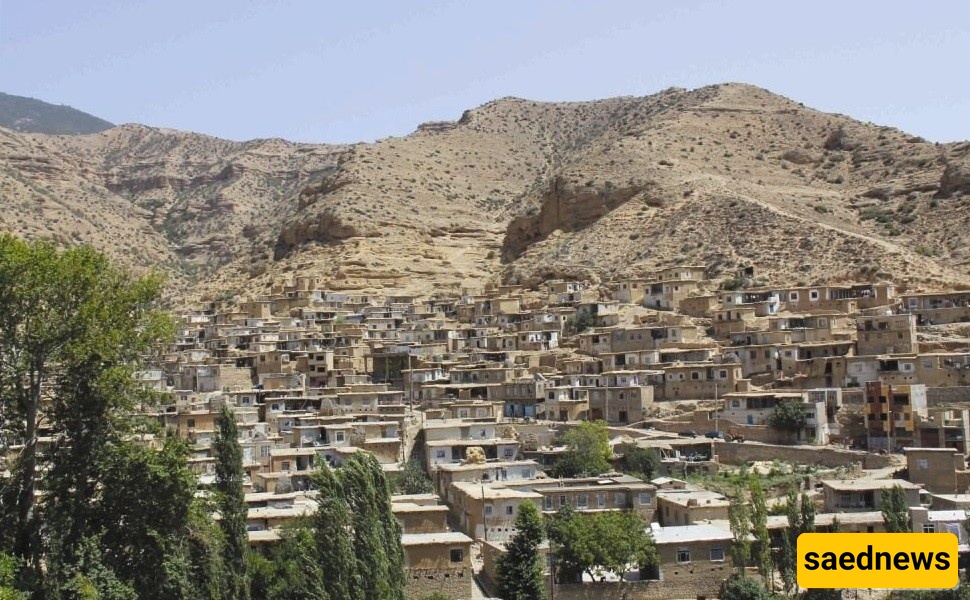
Farsian Village is one of Azadshahr’s exemplary tourist regions. Nestled in the mountains, it enjoys a mild climate and is especially appealing for summer retreats. The village’s traditional layout, Ishii, Chenar, and Div springs, a historic cemetery, and an old mill are among its key attractions.
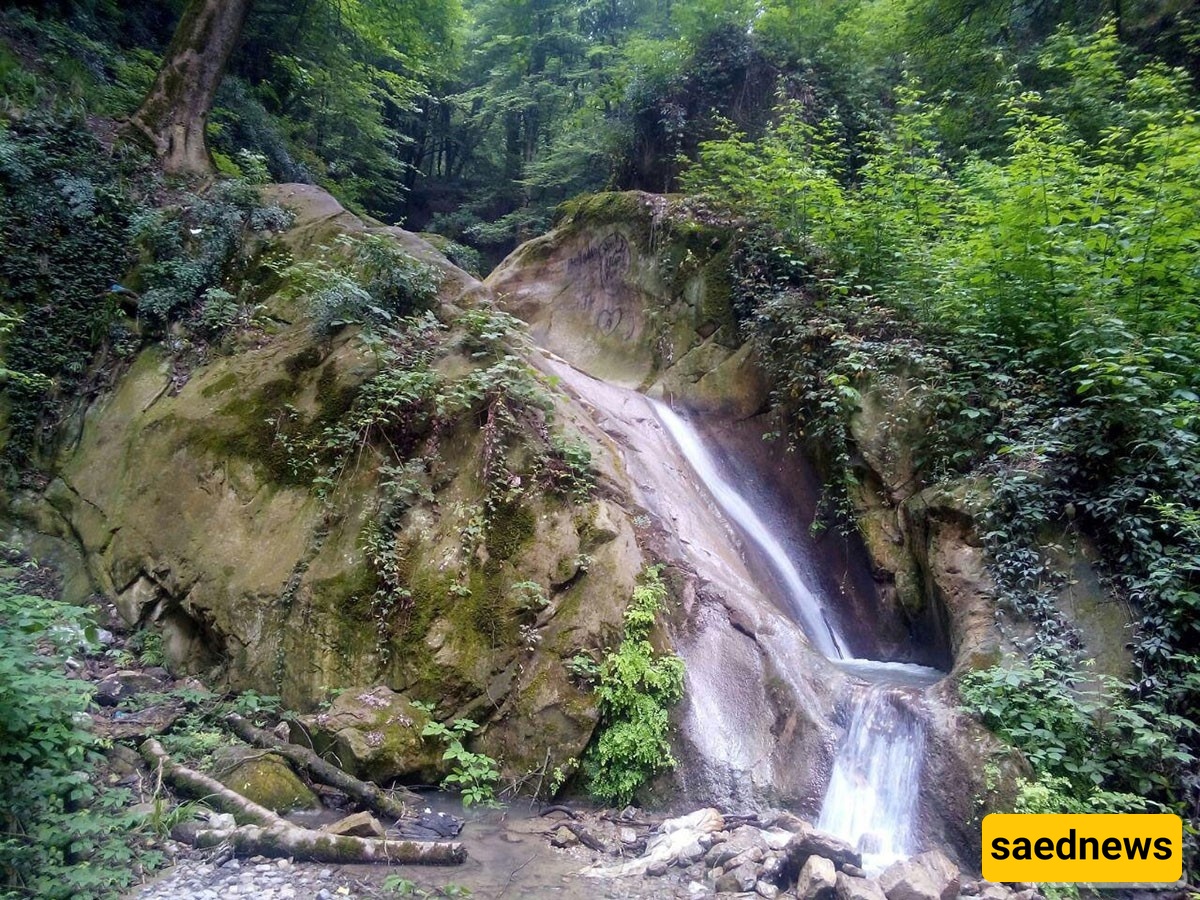
“Kuhmiyan” in the local dialect means “among the mountains.” This village, part of Azadshahr, boasts beautiful mountainous scenery at the foothills of the Alborz range. The Gol-Sangi Waterfall in Kuhmiyan is a spectacular natural attraction. During hot summer days, the waterfall’s pool offers a refreshing spot for swimming and children’s play.
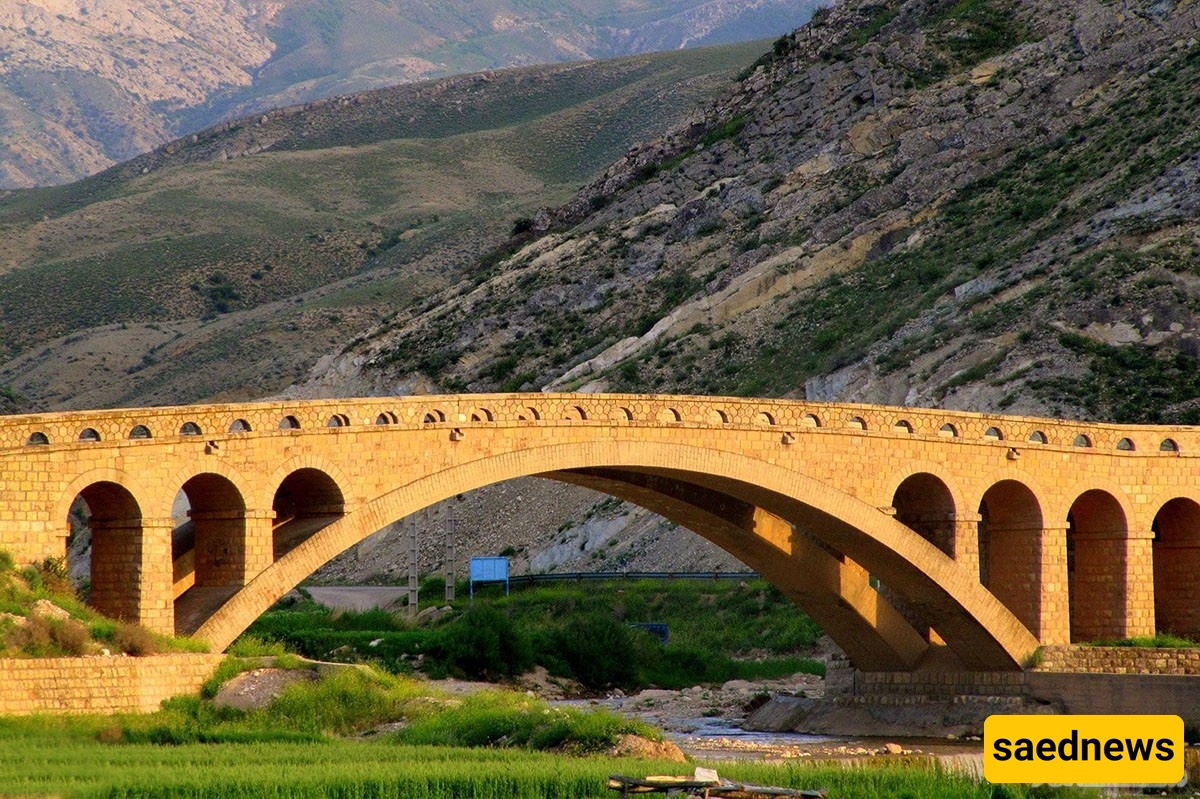
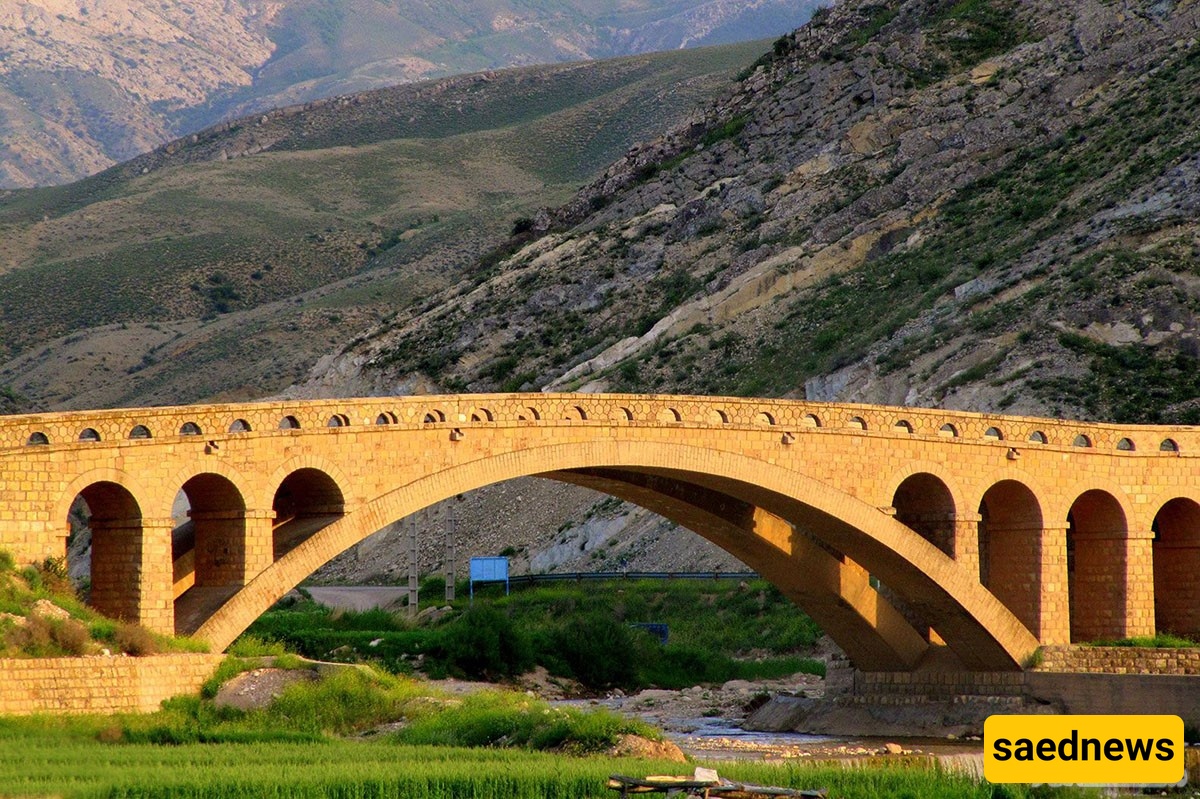
Ghaznavi Bridge, located in a village of the same name in the Cheshmeh Saran district of Azadshahr, is a historical landmark. Residents migrated to Ghaznavi in 1288 AH, transforming it into a thriving settlement. The bridge, flanked by a river and verdant surroundings, provides a picturesque setting for memorable travel photos. Nearby, Qez Qaleh in Kashidar Village is another historic site—a defensive fortress perched on the village heights.
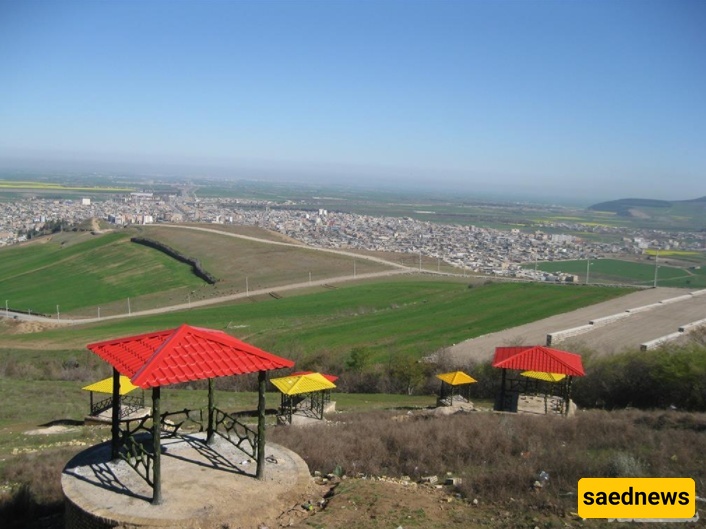
The Zeytun Recreational Complex is situated on two plots in Zeytun Tappeh, Azadshahr. The northern plot spans approximately 4 hectares, while the southern one covers about 3.5 hectares, offering visitors panoramic city views. Facilities include gazebos and seating areas, with plans to add suites, a restaurant, and a playground in the next phase.
Perched on a modest hill, the park is easily accessible on foot and provides stunning views of Azadshahr and the road toward Gonbad and Gorgan. Once a forested area 30 years ago, it was transformed into farmland and olive groves. Thanks to its 4-hectare olive gardens, it became known as Olive Hill.
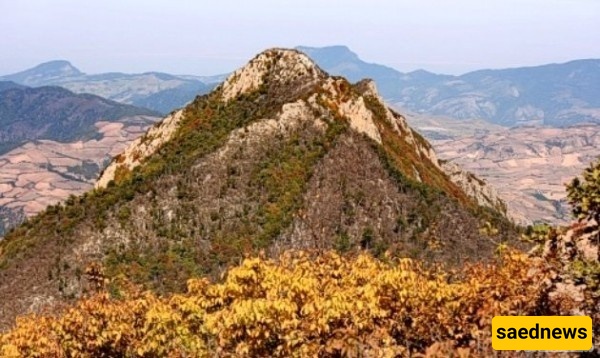
Boquto Mountain lies on the route between Azadshahr in eastern Golestan Province and Semnan, near Tarseh Village in Minoodasht County.
The peak reaches 2,312 meters and its name translates to “the garden inside” or “your garden.” This historic mountain region contains ancient remains of brick structures uncovered by unauthorized excavations, believed to be prisons, castles, or military fortresses. Scientific excavations have yet to be conducted.
The main peak forms a ridge with several subsidiary peaks, the tallest called Khan Boquto. The descent lacks a clear trail, making guided accompaniment essential, as sheer cliffs surround the area. Autumn offers the most spectacular views, although temperatures can be chilly.
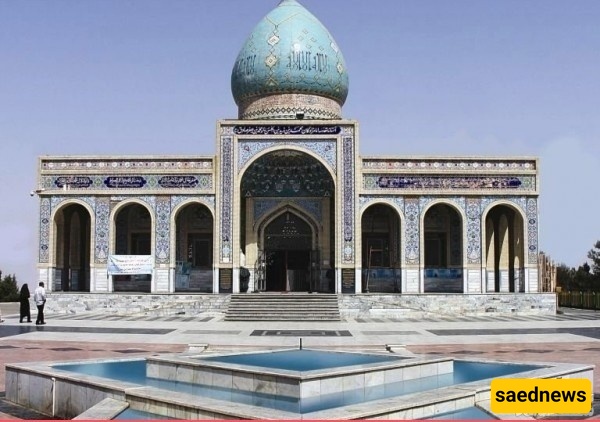
The Agh Emam Shrine sits atop Agh Emam Mountain, six kilometers north of Azadshahr. It is dedicated to Muhammad ibn Zaid ibn Ismail ibn Hasan ibn Ali ibn Abi Talib (peace be upon him), who, along with his brother Hasan—known as “Da’i Kabir”—established the Zaydi Alavian dynasty in Tabaristan (modern Mazandaran) in 250 AH.