SAEDNEWS: Repeated sneezing during particular seasons can be linked to changes in the environment. Pollen, dust, dry air, temperature shifts, and indoor irritants may stimulate the nasal passages and cause frequent sneezing. Recognizing common triggers can help people make simple changes to reduce exposure and manage seasonal discomfort.

According to SAEDNEWS, repeated sneezing in certain seasons is often associated with increased exposure to environmental particles and changes in air conditions. The nose acts as a protective filter, and frequent sneezing can occur when it detects substances that irritate the nasal passages.
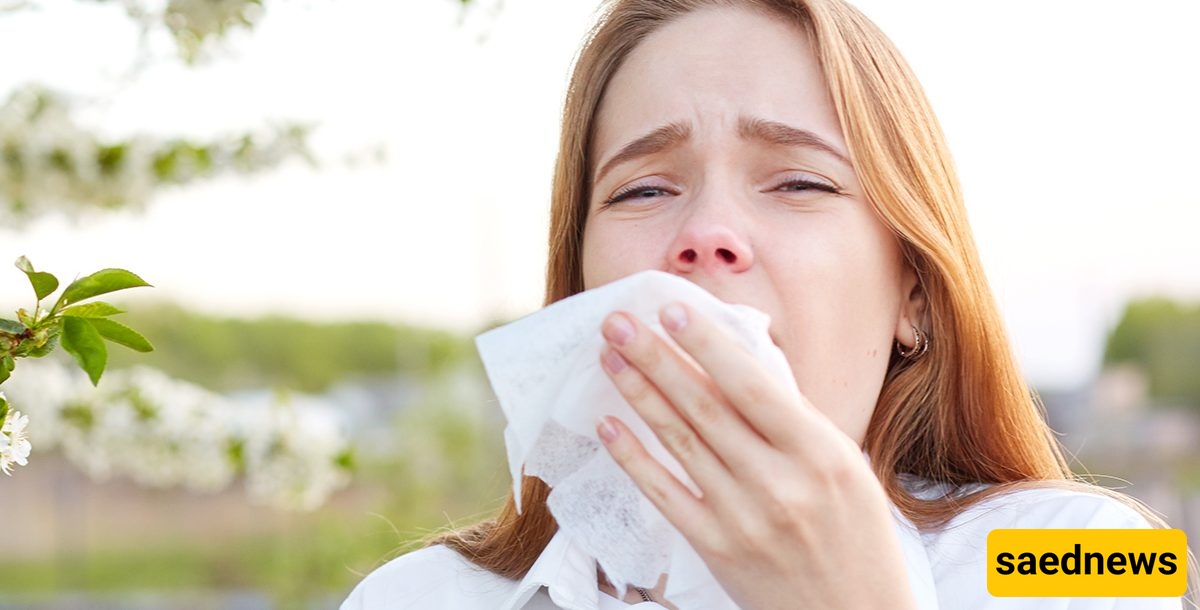
During certain times of the year, plants release pollen into the air. Sensitive individuals may experience repeated sneezing, a runny nose, nasal congestion, or itchy eyes after breathing in these tiny particles. Spending less time outdoors when pollen levels are high and keeping windows closed can help reduce exposure.
Changes in weather can also affect indoor environments. Dust, accumulated particles, and inadequate ventilation may irritate the nose and trigger sneezing. Regularly cleaning surfaces, washing bedding, and maintaining good indoor ventilation can help limit these irritants.
Cold or dry air can make the nasal passages more sensitive. Moving between warm indoor spaces and cold outdoor air may stimulate the nose and lead to repeated sneezing. Covering the nose and mouth in cold weather and maintaining comfortable indoor humidity may reduce irritation.
Rapid changes in temperature can sometimes trigger a non-allergic nasal response. A person may begin sneezing after entering a warm room from a cold environment or moving between areas with noticeably different temperatures. Keeping temperature changes gradual when possible may help.
Perfumes, cleaning products, smoke, and other strong airborne substances can irritate the nasal lining. Even without an allergy, sensitive nasal passages may respond with repeated sneezing. Identifying personal triggers and reducing exposure can make seasonal symptoms easier to manage.