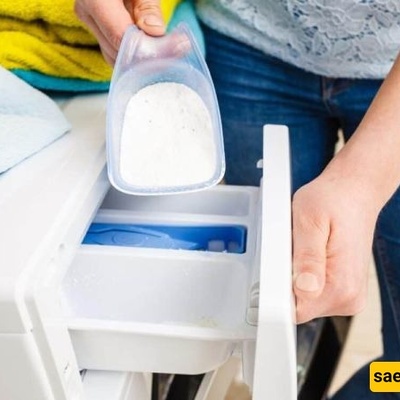
SAEDNEWS: Why Washing Machine Detergent Powder Remains in the Dispenser: Common Causes and Solutions
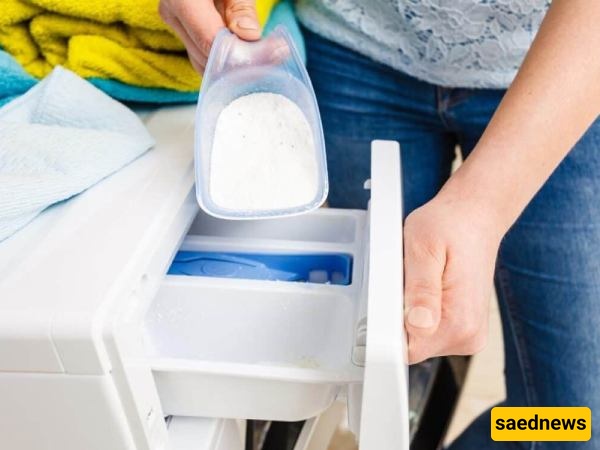
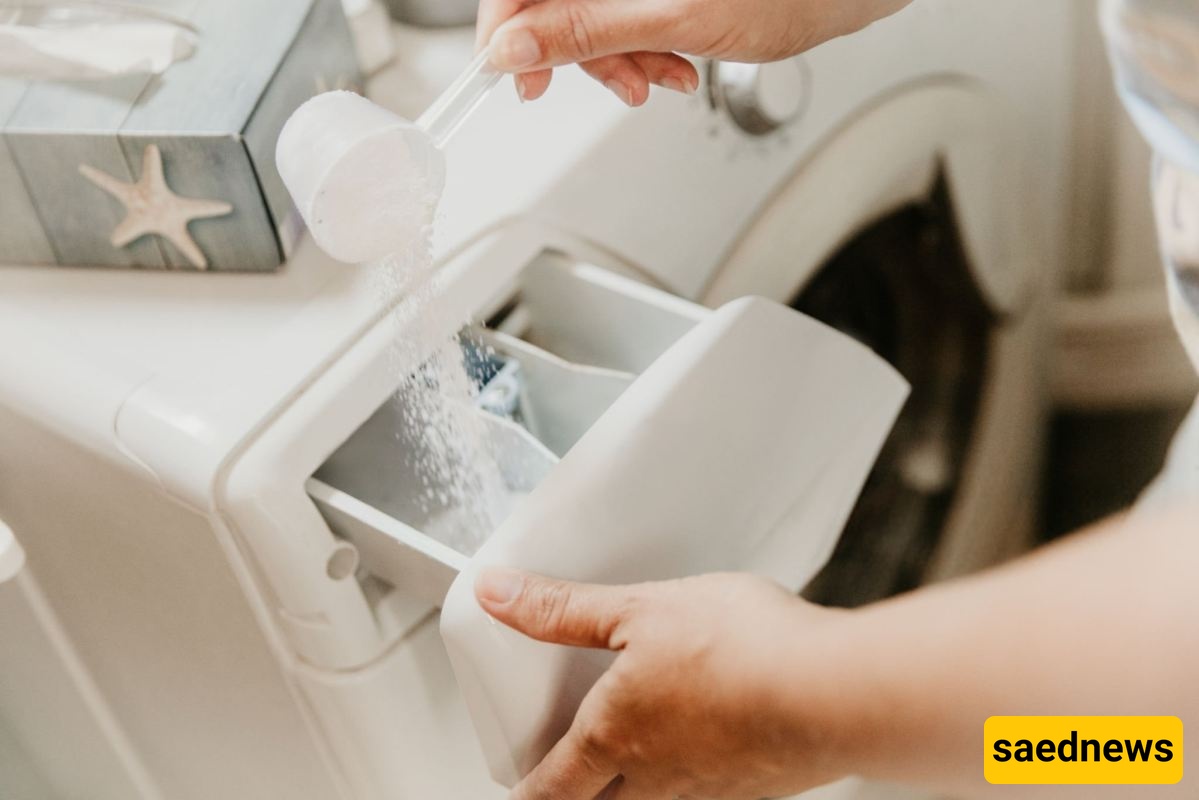
According to Saednews, Detergent powder remaining in the washing machine dispenser is a common problem experienced by many users. When laundry detergent does not dissolve completely and remains in the dispenser after a wash cycle, clothes may not be cleaned properly. It can also lead to detergent buildup, unpleasant odors, and clogged dispenser compartments.
This issue does not necessarily indicate a major malfunction. In many cases, it can be resolved through a few simple checks and adjustments to your laundry routine. In this article, we explore the main reasons why detergent powder remains in the washing machine dispenser and provide practical solutions to fix and prevent the problem.
Under normal conditions, water enters the detergent dispenser at sufficient pressure, dissolves the powder, and carries the detergent solution into the washing machine drum.
If you notice clumps of powder, white paste, or sticky residue in the dispenser after a wash cycle, it means the detergent has not been completely dissolved or flushed into the drum.
This problem can occur in the detergent, liquid detergent, or fabric softener compartments. However, most cases involve powder remaining in the main detergent compartment.
It is important to understand that there is no single cause of this problem. Sometimes the detergent type or quantity is responsible, while in other cases, low water pressure or a clogged dispenser and water inlet system may be the cause.
Therefore, identifying the exact cause before attempting a repair is the best approach.
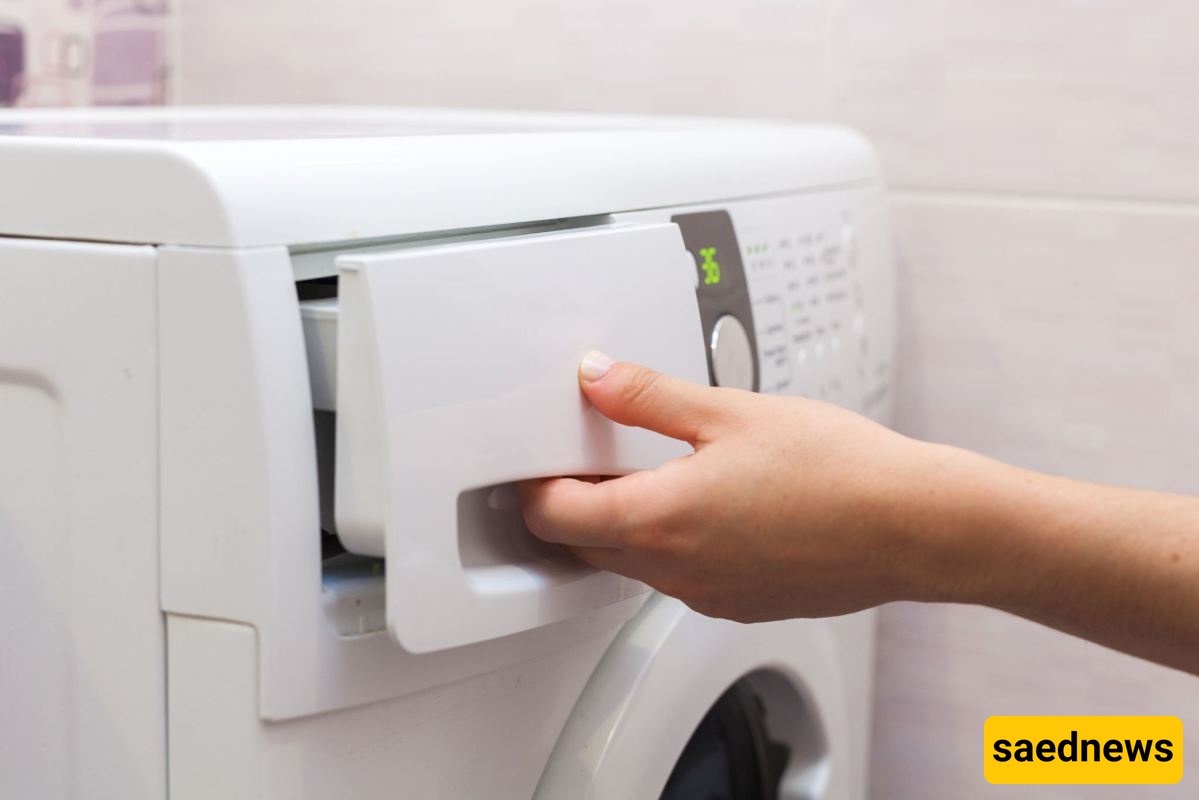
One of the most common reasons for detergent residue is using more powder than necessary.
When too much detergent is added, there may not be enough water to dissolve it completely. As a result, some of the powder remains in the dispenser as clumps or a thick paste.
This problem is particularly common in modern, water-efficient washing machines that use less water during each cycle.
Solution:
Follow the detergent manufacturer's recommendations and your washing machine's user manual. Adjust the amount of detergent according to water hardness, laundry load size, and how dirty the clothes are. For lightly soiled clothes, a smaller amount of detergent is usually sufficient.
When washing powder is stored in a humid environment, it can absorb moisture and form lumps. These clumps do not dissolve easily and are more likely to remain inside the dispenser.
Adding damp detergent directly to the dispenser can also cause it to stick to the walls and block the water flow.
Solution:
Store detergent powder in a tightly sealed container in a cool, dry place. Break up any lumps before use or replace the detergent if it has become excessively clumped.
Some detergents are specifically designed for hand washing and produce excessive foam. These products may not dissolve or rinse properly in automatic washing machines.
Using powder in a compartment designed for liquid detergent, or vice versa, can also cause detergent residue.
Solution:
Always use detergent specifically formulated for automatic washing machines. Make sure you add it to the correct compartment. If you frequently use cold wash cycles, consider choosing a detergent designed to dissolve effectively at lower temperatures.
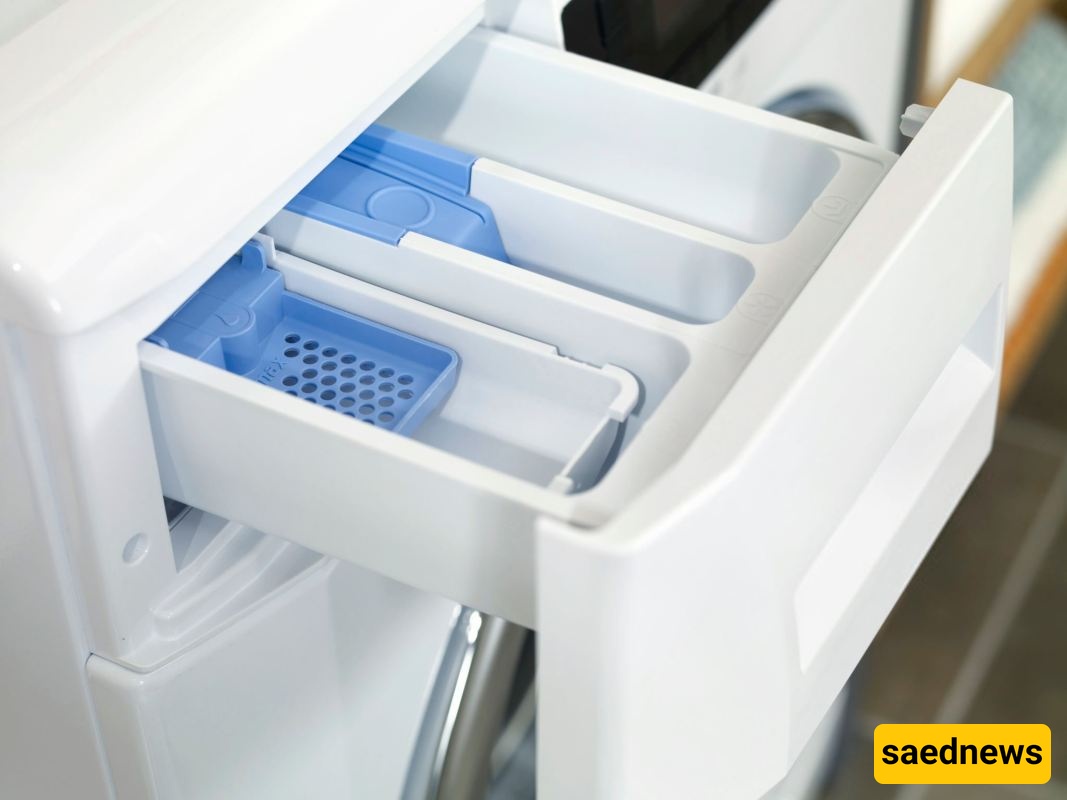
Over time, detergent drawers can accumulate mineral deposits, undissolved powder, fabric softener residue, and lint.
A clogged siphon or blocked water outlet holes can prevent water from flushing the detergent into the washing machine drum.
Solution:
Remove the detergent drawer periodically and wash it with warm water and a soft brush. Check the siphon and water passages for blockages and clean them thoroughly.
For mineral buildup, use a suitable washing machine descaler according to the manufacturer's instructions.
In areas with hard water, minerals such as calcium and magnesium can interfere with detergent performance and make it more difficult for powder to dissolve.
Over time, mineral deposits may also accumulate inside the detergent dispenser and water channels.
Solution:
Use a detergent formulated for hard water and follow the manufacturer's recommended dosage. If necessary, use a washing machine descaler designed for your appliance.
Regular descaling can help prevent mineral buildup and improve washing performance.
Short, cold, or eco-friendly wash programs may not provide enough water or time for detergent powder to dissolve completely.
As a result, some detergent may remain in the dispenser, and clothes may not be cleaned as effectively.
Solution:
Choose a wash program with an appropriate temperature and sufficient duration for the type of detergent you are using.
If you regularly use quick wash programs, reduce the detergent quantity or consider using a liquid detergent suitable for short and cold cycles.
If the detergent drawer is not correctly positioned, water may not enter the compartment at the correct angle or flow properly through the dispenser.
This can result in detergent residue and, in some cases, water leakage.
Solution:
Remove the detergent drawer, clean it, and reinstall it correctly. Push it all the way in until it is properly seated. Check that the drawer clips and connecting parts are not damaged.
Low water pressure is another major reason why detergent powder remains in the washing machine dispenser.
If the mesh filter on the water inlet valve is clogged, or the household water supply has insufficient pressure, water may not enter the dispenser with enough force to wash away the detergent.
Solution:
Make sure the water supply tap is fully open.
If you need to inspect the inlet filter, first turn off the water supply and unplug the washing machine. Disconnect the inlet hose and carefully clean the mesh filter with a soft brush.
If your household water pressure is consistently low, consider consulting a qualified technician.
A water inlet hose that is bent, twisted, or compressed can restrict the flow of water into the washing machine.
Mineral deposits or blockages inside the hose can also reduce water flow and prevent the detergent dispenser from being flushed properly.
Solution:
Inspect the entire inlet hose and make sure it is not twisted, bent, or compressed behind the washing machine.
If the hose is damaged or blocked, replace it with a suitable replacement.
The small nozzles that spray water into the detergent drawer can become blocked by mineral deposits and other residue.
When this happens, water may not be distributed evenly across the detergent compartment, leaving some of the powder dry and undissolved.
Solution:
Clean the water spray nozzles using warm water and a small, soft brush. If the blockage is difficult to remove or the water flow remains uneven, contact a qualified washing machine technician to inspect the water distribution system.
To resolve the problem, start by unplugging the washing machine from the electrical outlet. Then follow these steps:
Remove and clean the detergent drawer: Wash it with warm water and a soft brush, then allow it to dry completely.
Inspect the siphon and water passages: Remove any blockages, mineral deposits, or fabric softener residue.
Reduce the amount of detergent: Use only the recommended quantity and avoid adding large clumps of powder.
Choose the right detergent: Use powder specifically designed for automatic washing machines, preferably one that dissolves easily.
Clean the water inlet filter: Turn off the water supply and carefully clean the mesh filter.
Select an appropriate wash program: Choose a cycle with sufficient time and a suitable temperature for powder detergent.
Descale the washing machine periodically: Use a washing machine descaler according to the manufacturer's instructions.
Reinstall the detergent drawer correctly: Make sure it is fully inserted and properly positioned.
To avoid experiencing this problem again, follow these simple maintenance tips:
Clean the detergent drawer every few weeks.
Store detergent powder in a dry, airtight container.
Avoid using more detergent than necessary.
Consider using liquid detergent for short and cold wash programs, provided it is compatible with your machine.
Check the water inlet filter periodically.
Leave the detergent drawer slightly open after washing to allow it to dry.
Descale your washing machine regularly if you live in an area with hard water.
If detergent powder continues to remain in the dispenser despite cleaning the drawer, adjusting the detergent quantity, checking the water pressure, and selecting the correct wash program, there may be an underlying technical problem.
Possible causes include:
A faulty water inlet solenoid valve.
An internal blockage in the water supply system.
A malfunctioning electronic control board.
Significantly reduced water pressure.
A problem with the water distribution system.
These issues may require professional diagnosis and repair.
Avoid opening or dismantling internal washing machine components unless you have the necessary technical knowledge and experience. Instead, contact a qualified appliance repair technician.
Final Tip: In many cases, detergent powder remaining in the washing machine drawer is caused by excessive detergent, clogged compartments, hard water, or insufficient water pressure. Regular cleaning, correct detergent dosage, and proper machine maintenance can help prevent the problem and keep your washing machine working efficiently.