SAEDNEWS: Sensory integration disorder is one of the most common developmental disorders in children, potentially affecting their play, learning, and social interactions. This comprehensive guide explores the key signs, symptoms, and available treatment approaches to help parents better understand the condition.

According to Saednews, We all experience the world through our senses. However, for some children, these sensory channels can feel overwhelming and disorganized. Even the smallest everyday stimuli—such as the sound of a vacuum cleaner, a clothing tag, or swinging on a playground swing—can become an exhausting experience.
Sensory Processing Disorder (SPD) is one of the most frequently discussed yet often misunderstood developmental challenges in children. It can affect play, learning, social interaction, and overall family well-being. Fortunately, sensory processing treatment through evidence-informed, play-based approaches offers promising opportunities to help children manage sensory experiences more effectively.
This article provides a practical overview of sensory processing difficulties, their common signs, and available treatment approaches.
Sensory integration is the brain's ability to receive, organize, and interpret information from the seven sensory systems:
Visual (sight)
Auditory (hearing)
Tactile (touch)
Gustatory (taste)
Olfactory (smell)
Proprioceptive (body awareness, muscles, and joints)
Vestibular (balance and movement)
When sensory processing becomes difficult, children may respond to stimuli in different ways. They may overreact to certain sensations (sensory hypersensitivity), underreact to them (sensory hyposensitivity), or struggle to recognize and respond appropriately to sensory information.
It is important to understand that sensory processing difficulties are not necessarily a standalone medical diagnosis. They are patterns of neurological processing that may occur alongside conditions such as Autism Spectrum Disorder (ASD), Attention-Deficit/Hyperactivity Disorder (ADHD), learning disabilities, and developmental delays.
For this reason, a comprehensive assessment by a qualified professional is essential. Sensory difficulties should not be diagnosed through assumptions or self-assessment alone.
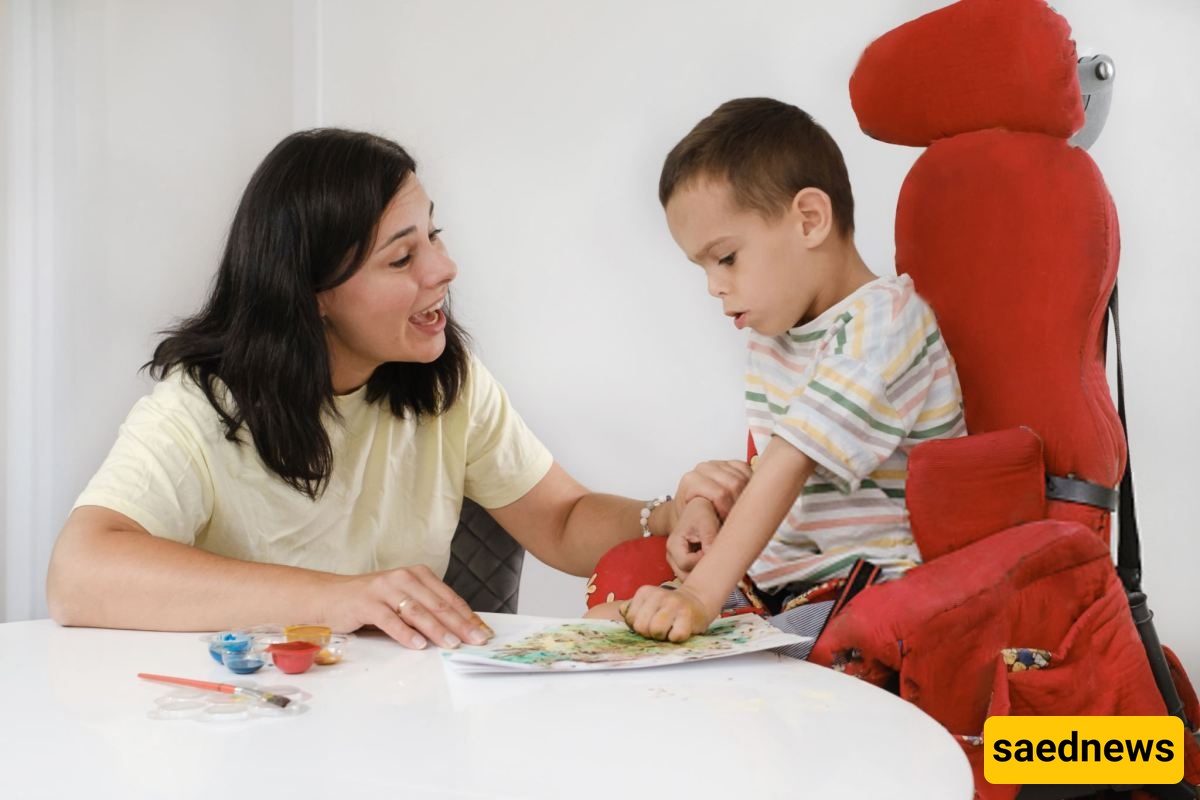
Children often cannot explain that their sensory experiences feel overwhelming. Instead, they communicate through their behavior.
Common signs include:
Sensory hypersensitivity: Crying or becoming distressed in response to loud noises, clothing textures, tags, bright lights, or foods with particular textures.
Sensory seeking: Running excessively, jumping from heights, frequently bumping into objects, or chewing on clothing and toys.
Sensory under-responsiveness: Showing little reaction to pain, extreme temperatures, or other sensations, and needing stronger stimulation to respond.
Motor difficulties: Appearing clumsy, falling frequently, struggling to hold a pencil, or having difficulty riding a bicycle.
Emotional and attention difficulties: Having trouble coping with changes, difficulty concentrating, or intense reactions to everyday situations.
When these signs persist and interfere with a child's daily activities, professional assessment is recommended.
Early identification and intervention can help children receive appropriate support as soon as possible.
Before exploring specific treatment methods, three fundamental principles should be considered.
First, treatment must be individualized. Every child has a unique sensory profile, so there is no universal treatment plan.
Second, therapy should be engaging and play-based. Children often develop sensory and motor skills more effectively through meaningful play activities.
Third, a collaborative approach is essential. Occupational therapists, speech-language therapists, psychologists, families, and teachers can all contribute to a child's progress.
Occupational therapy using the Ayres Sensory Integration (ASI) approach is one of the best-known interventions for children experiencing sensory integration difficulties.
During therapy, the occupational therapist creates a structured environment enriched with sensory equipment, such as swings, therapy balls, mats, balance boards, and tactile materials.
Children participate in carefully selected activities that engage the vestibular, proprioceptive, and tactile systems in a coordinated way.
The primary goal is to support more adaptive sensory responses and improve the child's ability to participate in everyday activities, rather than simply practicing isolated skills.
Sessions are generally scheduled regularly, with treatment plans adjusted according to the child's individual needs and progress.

A sensory diet is an individualized schedule of sensory-motor activities incorporated into a child's daily routine at home and school.
For children who are easily overwhelmed by sensory input, calming activities may include deep-pressure activities, appropriately supervised weighted activities, and playing with modeling dough.
For children who actively seek sensory stimulation, activities such as jumping, pushing, pulling, and hanging from suitable equipment may be recommended.
A sensory diet should always be designed by a qualified occupational therapist based on the child's sensory needs. Generic recommendations found online should not replace professional guidance.
Play is a natural language for children.
Activities such as playing with sand and water, completing obstacle courses, practicing balance, and engaging in hand-eye coordination games can be enjoyable while supporting sensory-motor development.
These activities may be particularly helpful for children who find traditional or highly structured therapeutic environments challenging.
Sometimes, small environmental changes can make a significant difference.
Examples include:
Reducing background noise.
Using noise-reducing headphones in particularly noisy environments.
Choosing soft, comfortable clothing without irritating tags.
Using gentle lighting.
Keeping play and learning spaces organized.
Providing a quiet area where the child can take a break.
Environmental modifications can reduce sensory overload and give children more opportunities to regulate their responses.
Parents play an essential role in supporting their child's development.
Learning about a child's sensory profile, responding calmly during moments of distress, and incorporating appropriate activities into everyday routines can improve the effectiveness of therapy.
Parents should also understand that punishing or criticizing a child for sensory sensitivities is neither helpful nor appropriate. These reactions are not simply deliberate misbehavior.
A supportive and understanding family environment can make a meaningful difference in a child's emotional well-being.
Teachers can also play an important role in supporting children with sensory processing difficulties.
Helpful classroom strategies may include:
Providing short sensory breaks throughout the school day.
Choosing an appropriate seating arrangement.
Reducing unnecessary distractions.
Allowing access to a quieter learning space when needed.
Coordinating classroom strategies with the child's occupational therapist.
Consistency between home and school helps children benefit from a more supportive and predictable environment.
Music therapy, aquatic activities, massage, and breathing exercises may be considered complementary approaches when appropriate.
However, these methods should support rather than replace individualized, evidence-informed interventions.
Other approaches, such as neurofeedback and restrictive dietary programs, should be considered cautiously and only after consulting qualified professionals and reviewing the available scientific evidence.
Sensory processing intervention is a gradual process, not an overnight solution.
Progress often occurs in small steps, and there may be periods when improvements appear to slow down.
Tracking small changes, celebrating achievements, and maintaining realistic expectations can help families remain motivated throughout the process.
With appropriate support and timely intervention, many children can develop more effective sensory regulation strategies and improve their participation in everyday activities as they grow.
Sensory processing difficulties can make everyday experiences challenging for children. However, with greater understanding, careful assessment, and appropriate intervention, children can learn to manage their sensory experiences more effectively.
Treatment for sensory processing difficulties in children may involve specialized occupational therapy, individualized sensory activities, play-based interventions, environmental modifications, and close collaboration between families and schools.
The most important factors are early identification, individualized support, and realistic expectations.
If you recognize any of the signs discussed in this article in your child, consider consulting a qualified occupational therapist or child development specialist. Early professional guidance can be an important first step toward helping your child move from sensory overwhelm to greater comfort, confidence, and participation in daily life.