SAEDNEWS: What Are the Secrets to Thicker, Healthier Hair? Essential Nutrients That May Help Prevent Hair Loss
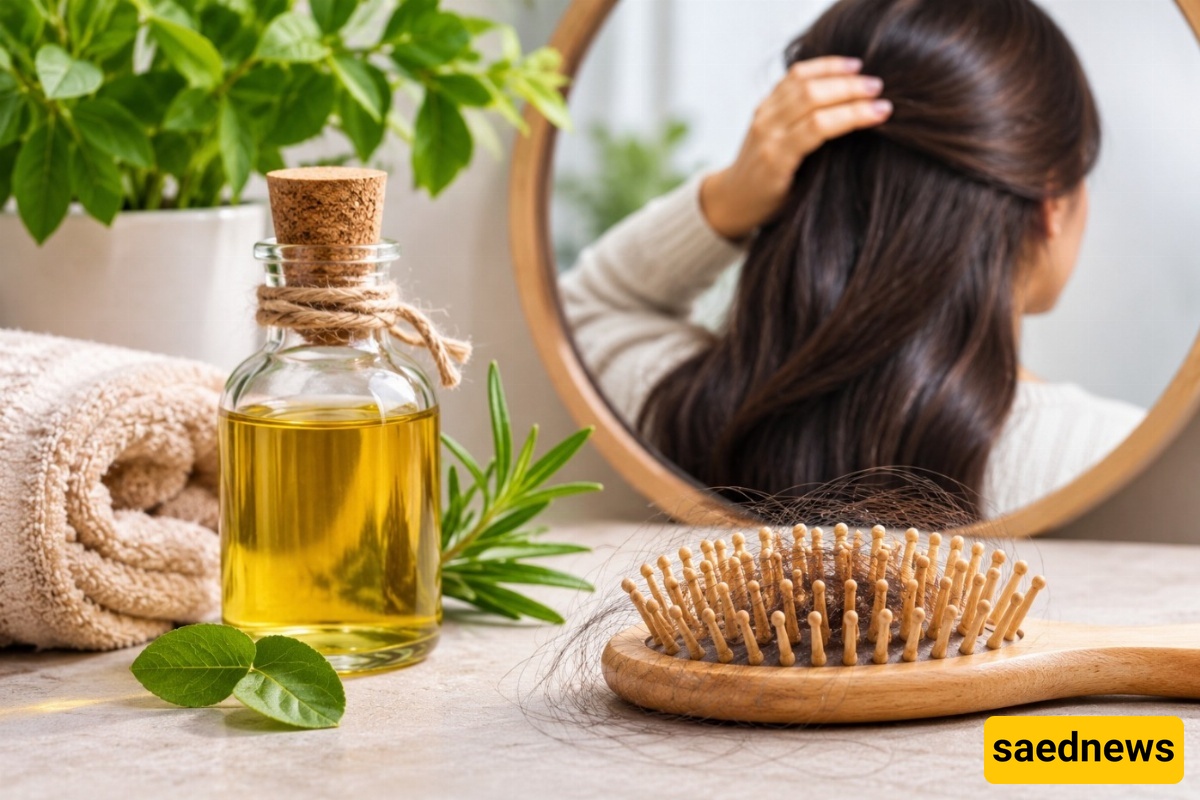
According to Saednews, When looking at old family photographs, we often notice the thick, healthy-looking hair of our grandparents and even young people of earlier generations. In contrast, premature hair thinning and hair loss have become common concerns for both men and women today. But what explains this difference? Did previous generations have special lifestyle habits or secrets that helped them maintain healthy hair?
The fuller hair of previous generations cannot be attributed to a single factor. Genetics, nutrition, lifestyle, and exposure to environmental damage all play a role in hair health.
Experts point to several important factors:
More Natural Nutrition: Home-cooked meals, legumes, eggs, dairy products, and protein-rich foods may have helped provide the nutrients necessary for healthy hair.
Lower Stress Levels: Different lifestyles and less exposure to constant media-related pressures may have had a positive impact on overall health.
Less Hair Damage: Less frequent use of hair dyes, bleaching products, straighteners, and chemical treatments meant that hair shafts were exposed to less damage.
Genetic Factors: Heredity and family characteristics are among the most important reasons for differences in hair thickness and density.

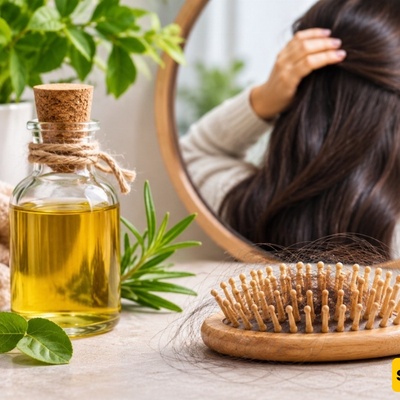
In the past, many people relied on traditional home remedies and natural ingredients to care for their hair. Using herbal oils, gentle hair washing, and scalp massage were among the common practices.
Some of these methods are still used today:
Coconut oil: Helps reduce dryness and damage to the hair shaft.
Olive oil: Helps soften and condition hair.
Rosemary oil: May potentially help improve hair growth.
Gentle scalp massage: Promotes relaxation and provides a soothing scalp-care routine.
It is worth noting that these methods are not proven cures for hair loss, and scientific evidence supporting their effectiveness varies.
If you are looking for natural ways to achieve thicker-looking hair at home, it is best to start with a balanced diet and proper hair care.
Including nutritious foods in your daily diet can help support hair health.
Rosemary, coconut, and olive oils are among the well-known options for natural hair care. However, these oils mainly help improve the condition of the hair shaft and should not be considered substitutes for medical hair-loss treatments.
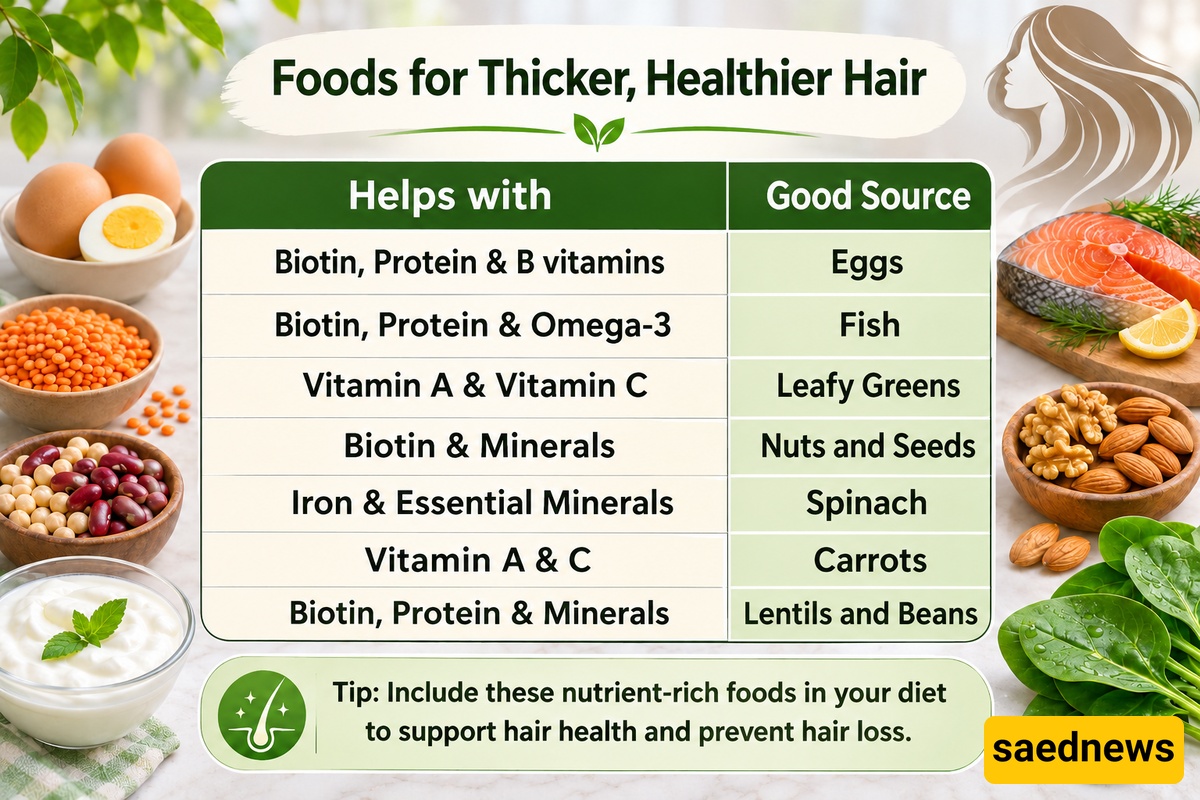
You can also prepare a nutritious homemade mixture using walnuts, almonds, sesame seeds, and honey. Consume it in moderation as part of a balanced diet. This mixture is a nutritious food, not a guaranteed hair-growth treatment.
Many people look for quick home remedies for hair loss. However, the appropriate treatment depends on the underlying cause.
For example, iron deficiency, thyroid disorders, severe stress, and hereditary hair loss each require a different approach.
Whether you are looking for ways to manage hair loss in women or men, following these recommendations can help:
Avoid restrictive diets and sudden weight loss.
Get sufficient, regular sleep.
Avoid excessively tight hairstyles and reduce direct heat exposure.
Avoid frequent hair coloring and bleaching.
If hair loss persists, consult a dermatologist or hair specialist to identify the underlying cause.