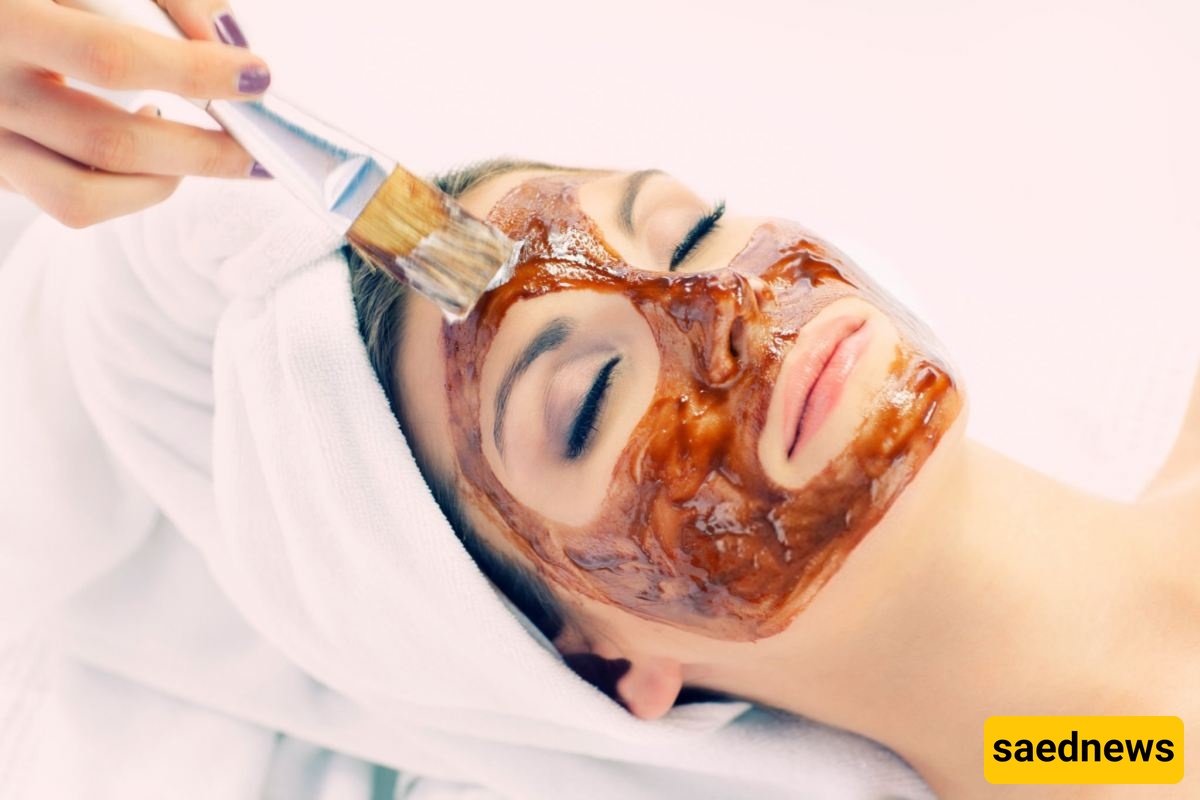
SAEDNEWS: Honey and cinnamon, known for their antibacterial and anti-inflammatory properties, may help treat acne and improve the appearance of enlarged pores. This article explores the science behind this homemade face mask.
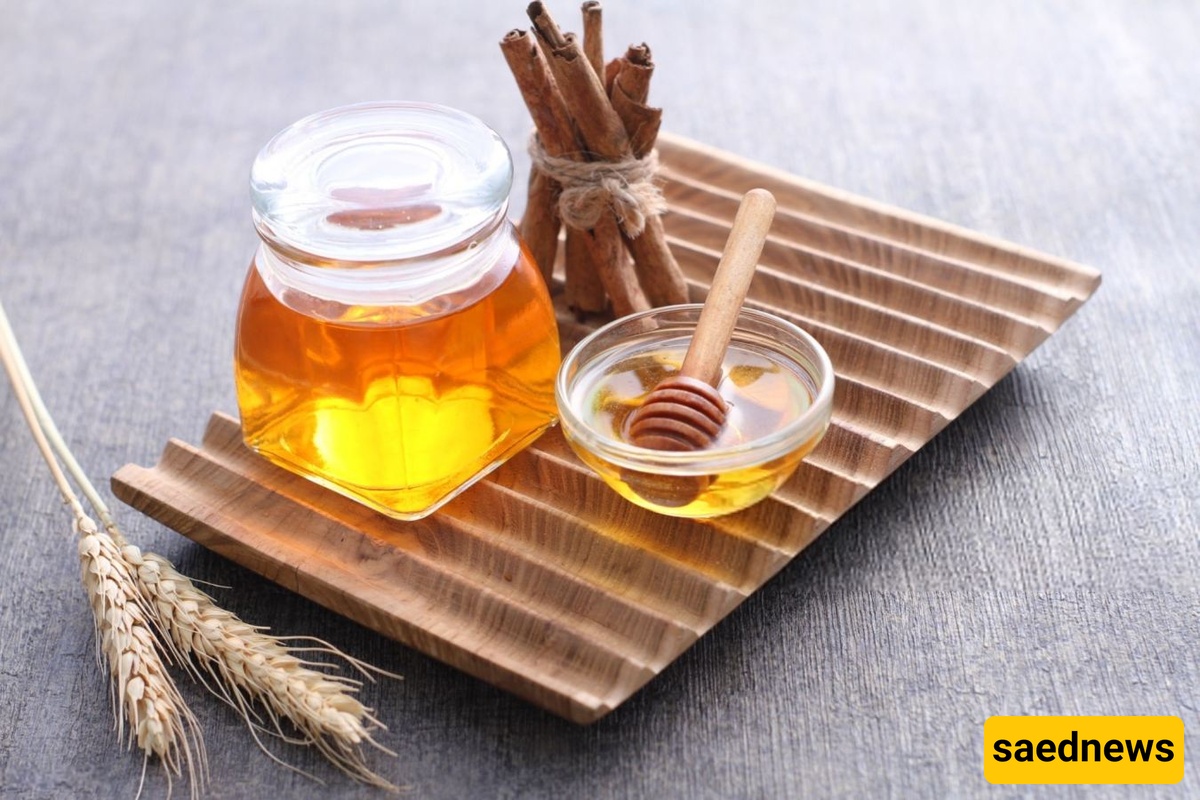
According to Saednews, Honey and cinnamon masks have gained popularity due to their antibacterial, anti-inflammatory, and antioxidant properties. But can this combination really replace medical treatments? Answering this question requires examining scientific details and clinical evidence. This article explores how these two ingredients work, compares them with conventional treatments, and highlights essential safety considerations. It also provides practical instructions to help you get the most out of this homemade mask.
To fully understand the benefits of a honey and cinnamon mask, it is important to first examine its ingredients. Both contain bioactive compounds that may offer beneficial properties individually and in combination.
Honey has been used as both a food and a medicinal substance for thousands of years across different civilizations. Its main components include natural sugars (fructose and glucose), water, enzymes, organic acids, polyphenols, and flavonoids.
Some of the most notable benefits of honey for the skin include:
1. Strong Antibacterial Properties
Honey creates an unfavorable environment for bacterial growth due to its mildly acidic pH (approximately 4), high osmolarity, and the presence of glucose oxidase. This enzyme breaks down glucose and produces hydrogen peroxide, which acts as a natural antimicrobial agent. This property may be relevant to acne-causing bacteria, which contribute to the development of pimples.
2. Natural Anti-Inflammatory Effects
The flavonoids and phenolic acids in honey may help reduce inflammation and redness associated with acne. These compounds can modulate the skin's inflammatory response by inhibiting inflammatory enzymes such as cyclooxygenase, potentially soothing inflamed pimples.
3. Deep Hydration
Honey is a natural humectant that attracts moisture from the environment and helps retain it in the skin. This property supports the skin barrier and may help prevent dryness and flaking, which often occur alongside acne treatments.
4. Powerful Antioxidant Properties
Honey contains antioxidants that help neutralize free radicals and may protect against premature skin aging. Free radicals are among the factors that contribute to collagen damage and wrinkle formation.
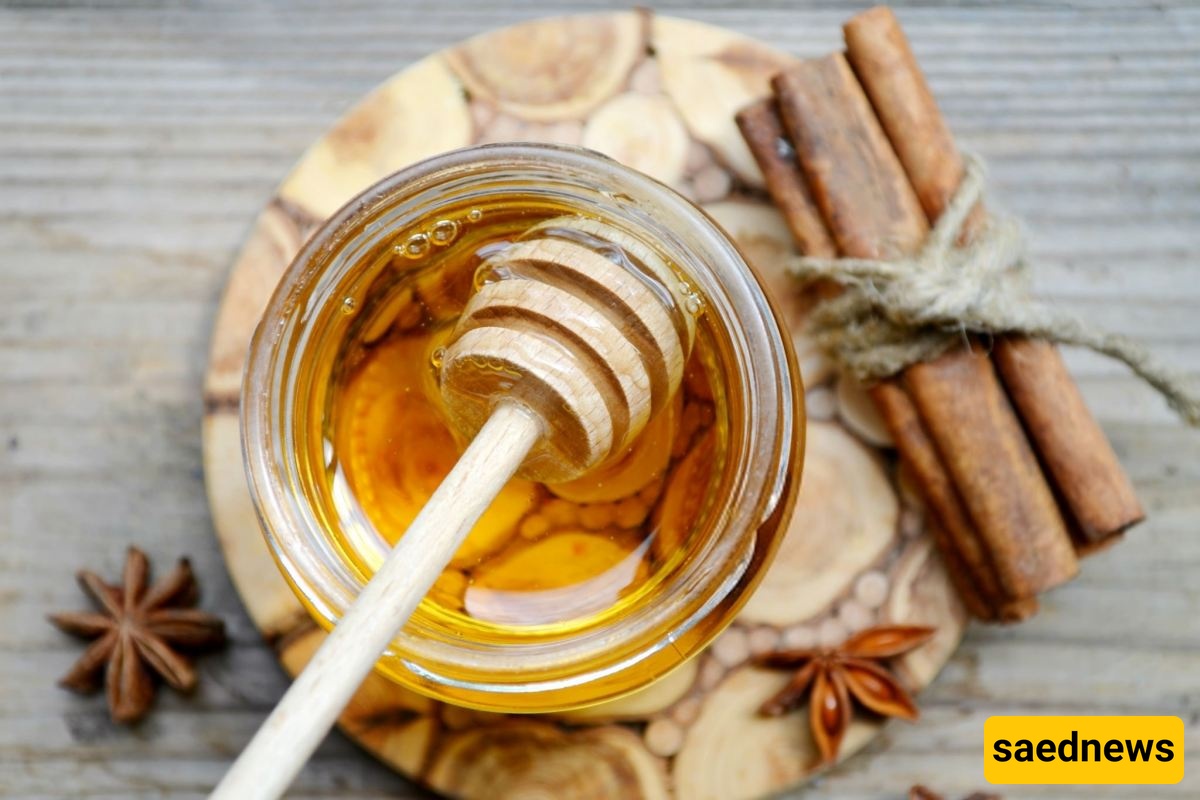
Cinnamon, derived from the inner bark of trees in the Cinnamomum genus, is not only a popular flavoring agent but is also used in various skincare preparations. Its main active compound is cinnamaldehyde, which gives cinnamon its characteristic spicy aroma and flavor. Other notable compounds include eugenol, cinnamic acid, and various terpenes.
1. Antibacterial and Antifungal Effects
Active compounds in cinnamon, particularly cinnamaldehyde, can inhibit the growth of a wide range of microorganisms. Laboratory studies have shown that cinnamon essential oil may suppress the growth of both Gram-positive and Gram-negative bacteria. These findings have attracted interest in acne research, although their effectiveness in treating acne on human skin remains uncertain.
2. Potential Effects on Skin Oil Production
Cinnamon has been suggested to influence sebaceous gland activity. Excess sebum production is one of the major factors associated with acne and the appearance of enlarged pores. However, strong clinical evidence that topical cinnamon reliably regulates oil production is lacking.
3. Improved Blood Circulation
Applying cinnamon to the skin may stimulate superficial blood vessels, increasing local blood flow. Although this effect may temporarily increase circulation, it can also cause irritation and redness. There is insufficient evidence that topical cinnamon improves acne healing through this mechanism.
4. Mild Exfoliating Effects
The texture of cinnamon powder may act as a physical exfoliant. However, rubbing cinnamon powder against the skin can cause irritation, particularly in people with sensitive or acne-prone skin. Gentler exfoliation methods are generally preferable.
Acne is a multifactorial skin condition involving four main processes:
Excessive sebum production.
Blockage of hair follicles due to abnormal shedding of skin cells.
The activity of Cutibacterium acnes bacteria, formerly known as Propionibacterium acnes.
Inflammation.
A honey and cinnamon mask is often promoted as a way to address several of these factors simultaneously. However, evidence supporting its effectiveness as an acne treatment in humans remains limited.
One of the challenges in acne management is controlling the bacteria that contribute to inflammation within clogged hair follicles. C. acnes normally lives on the skin but can contribute to acne under certain conditions.
Honey may inhibit certain microorganisms through its acidity, high sugar concentration, and, in some types of honey, hydrogen peroxide production. Laboratory research has also found that cinnamaldehyde can interfere with bacterial cell membranes and metabolic processes.
However, laboratory findings do not necessarily translate into effective acne treatment in humans. There is insufficient clinical evidence that a homemade honey and cinnamon mask reliably eliminates acne-causing bacteria or treats persistent acne.
Although natural ingredients may have antimicrobial properties, they should not automatically be considered safer or more effective than conventional antibiotics or other proven acne treatments.
Inflammation is part of the body's response to various skin processes and can lead to swelling, redness, and discomfort.
Honey contains compounds that may have anti-inflammatory effects. Certain flavonoids, including quercetin and kaempferol, have also been studied for their ability to influence inflammatory signaling pathways such as NF-κB.
These compounds have shown promising effects in experimental research, but there is not enough clinical evidence to establish that a honey and cinnamon mask significantly reduces inflammatory acne, prevents deep cysts and nodules, or speeds up the healing of acne lesions.
People with acne-prone skin often produce excess sebum. This can contribute to clogged pores and create conditions that favor acne development.
Honey may help maintain skin hydration, but there is no strong evidence that applying it directly reduces sebum production. Similarly, claims that cinnamon regulates oil production by inhibiting the enzyme 5-alpha-reductase have not been adequately established in clinical studies of topical cinnamon masks.
For people with oily skin or hormonally influenced acne, evidence-based treatments are generally more reliable than homemade masks.
Visible or enlarged pores are a common cosmetic concern. Pores cannot physically be closed, but their appearance may become less noticeable when excess oil and debris are managed and the skin's overall condition improves.
A honey and cinnamon mask is sometimes promoted for this purpose, although scientific evidence supporting these specific benefits is limited.
Over time, sebum, dead skin cells, and environmental debris can accumulate around hair follicle openings, making pores appear more prominent.
Honey's sticky texture may help lift some surface impurities during washing. However, there is no reliable evidence that a honey and cinnamon mask deeply cleans pores or permanently reduces their size. Scrubbing with cinnamon powder may instead irritate the skin.
Collagen and elastin help maintain skin firmness and elasticity. Antioxidants in honey may offer some protection against oxidative stress, but there is insufficient evidence that applying honey and cinnamon directly to the skin stimulates collagen production or noticeably tightens the tissue surrounding pores.
The appearance of pores is influenced by several factors, including genetics, age, sebum production, and skin elasticity.
The forehead, nose, and chin—the T-zone—often produce more oil than other areas of the face, making pores more noticeable.
Excessive cleansing or drying can irritate the skin and compromise its protective barrier. Gentle cleansing and appropriate moisturization are generally better options for managing oily skin.
Although honey may help retain moisture, there is no strong clinical evidence that combining it with cinnamon reduces T-zone oil production or visibly shrinks pores.
Despite its natural ingredients, this mask is not suitable for everyone.
Risk of irritation: Cinnamon can cause burning, redness, and contact dermatitis, especially when applied directly to the skin.
Allergic reactions: People sensitive to honey, cinnamon, or related substances may develop itching, swelling, or a rash.
Avoid broken skin: Do not apply the mask to open wounds, severely inflamed acne, or damaged skin.
Patch testing: Test any new skincare ingredient on a small area first. Stop using it immediately if irritation occurs.
Avoid the eye area: Keep the mixture away from the eyes and other sensitive areas.
If you have persistent, painful, or cystic acne, consult a dermatologist rather than relying on homemade masks.
Honey and cinnamon are known for their potential antibacterial, anti-inflammatory, and antioxidant properties. Honey may also help maintain skin hydration. However, most claims about their combined effects on acne and enlarged pores are based on laboratory findings, traditional use, or anecdotal reports rather than strong clinical trials.
The key takeaway: A honey and cinnamon mask should not be considered a proven replacement for established acne treatments. Cinnamon, in particular, can irritate the skin. For managing acne and improving the appearance of pores, gentle skincare and evidence-based treatments are generally safer and more effective.