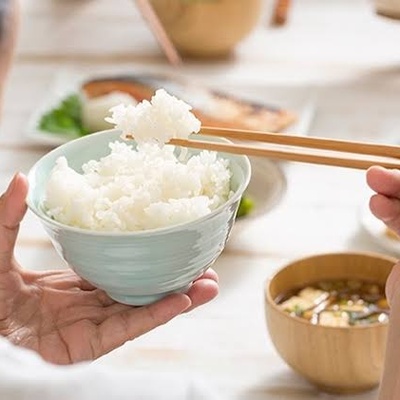
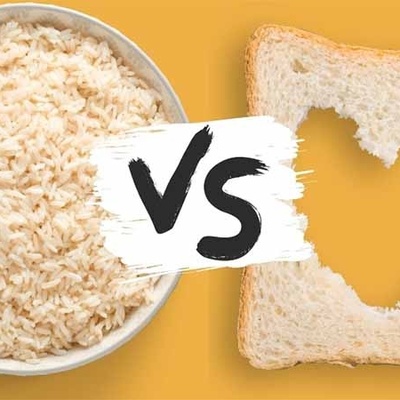
SAEDNEWS: People in East Asia, especially Chinese people, consume large amounts of rice and carbohydrates, yet they don’t seem to gain weight.
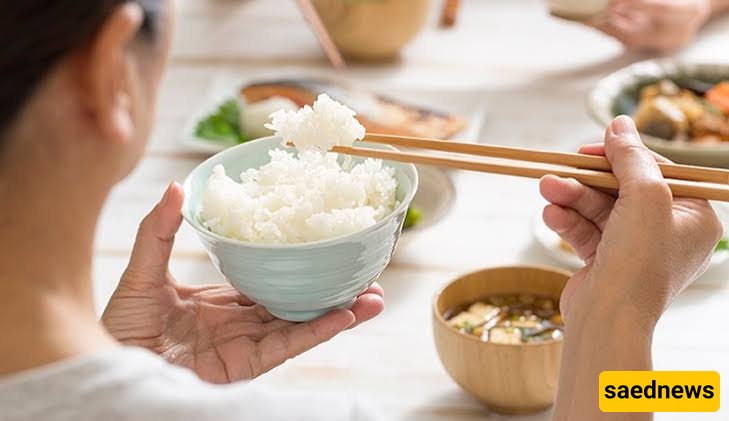
According to Saednews, This is a very common question. If carbohydrates contribute to weight gain, why do many Asians, including Chinese and Japanese people, remain slim despite consuming large amounts of rice and other carbohydrates? Rice is a staple food across much of Asia and is often served alongside almost every meal. So why don't they gain weight? In this article, we explore the possible reasons.
Consuming less refined sugar and fructose may help maintain better insulin sensitivity and support a healthy body weight.
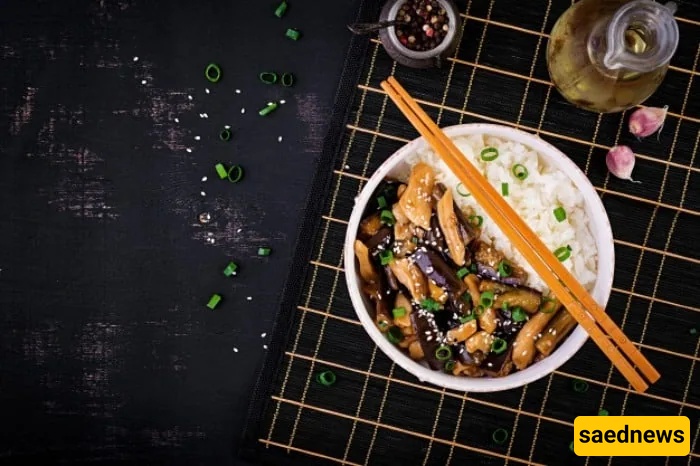
Eating less processed starches, such as brown rice and starchy root vegetables, may provide more fiber and promote slower digestion. These foods can help people feel fuller for longer and reduce overeating.
Asian diets often include a variety of nutrient-rich foods. For example, in countries such as Vietnam, people may eat red meat alongside noodles and rice. In Thailand, meals often include different types of vegetables and meat.
The same applies to China, where rice is commonly served with vegetables and meat. Including foods from different food groups helps provide essential nutrients and can support a balanced diet, which may help reduce the risk of excessive weight gain.
Regular physical activity and avoiding a sedentary lifestyle may also help explain why some Asian populations maintain a healthy weight. While people in other regions may spend much of their time sitting at desks or driving, many people in China incorporate more movement into their daily routines.
This does not necessarily mean lifting weights, running, or working out at the gym. Instead, everyday activities play an important role. Many people walk to work, move around throughout the day, and remain generally active. These habits can help the body use more glucose and support healthy triglyceride levels and blood pressure.
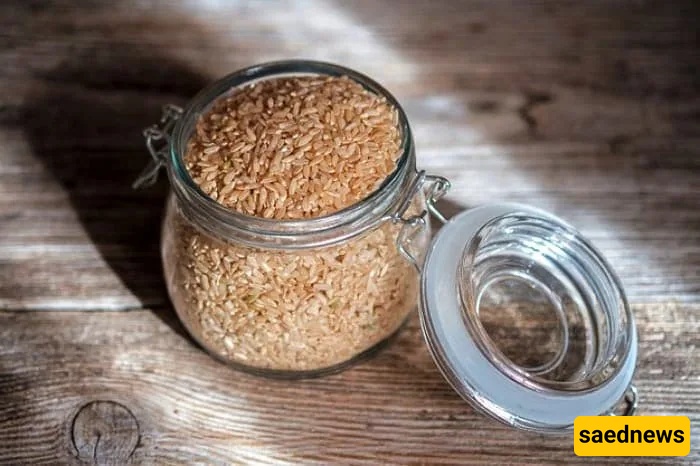
Rice is a major staple food throughout Asia, and approximately 90% of the world's rice production takes place in the region. Some areas have cultivated rice for thousands of years.
White rice is a major dietary source of carbohydrates and glucose. Eating rice as a staple may also mean consuming less wheat-based food.
However, it is not possible to conclude that rice is universally healthier than wheat, or vice versa. Both foods can be part of a balanced diet, depending on the type consumed, portion sizes, and overall eating habits.

Some people argue that Asian populations, including people in China, have traditionally consumed white rice rather than brown rice for a long time. They also suggest that people are no longer as slim as they once were and that type 2 diabetes has become more common, potentially contributing to long-term abdominal weight gain.
However, these changes cannot be attributed to white rice alone. Weight gain and the risk of type 2 diabetes are influenced by several factors, including overall diet, physical activity, portion sizes, genetics, and lifestyle changes.