SAEDNEWS: Learn the proper steps for cleaning different types of floors while protecting their appearance and durability.
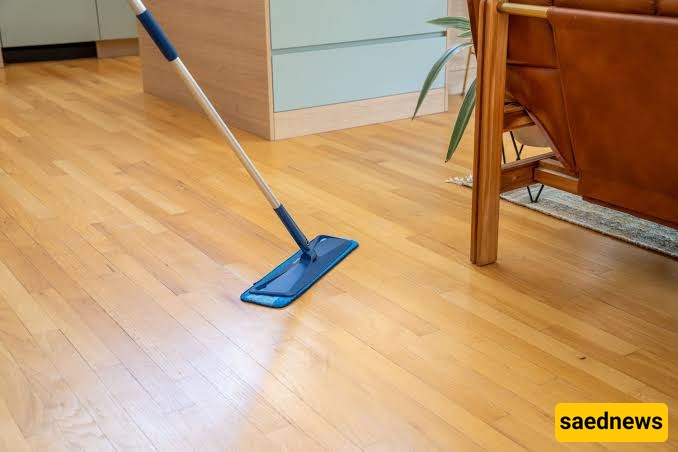
According to SAEDNEWS, cleaning the floors correctly is not only about removing visible dirt but also about using suitable methods that prevent damage and keep different surfaces looking fresh. Since floors are made from various materials, the best cleaning approach depends on whether the surface is tile, wood, laminate, stone, or another type.
Before using water or cleaning products, remove dust, hair, and small particles from the floor. These materials can spread during wet cleaning and may even create small scratches on some surfaces.
Helpful tools include:
• A soft broom
• A vacuum cleaner with a suitable floor attachment
• A microfiber dust mop
Regular dry cleaning also reduces the amount of deep cleaning needed later.
A simple routine can help make floor cleaning more effective:
Prepare the area
Move small furniture and objects away from the floor to reach hidden areas where dust often collects.
Choose the correct cleaning solution
Use a cleaner designed for the specific floor material. Strong or unsuitable products may damage protective coatings or change the surface appearance.
Use the right amount of water
Excess water can be harmful, especially for wooden or laminate floors. A damp mop is usually safer than a soaking wet one.
Clean in sections
Work on small areas instead of covering the entire floor at once. This helps prevent dirt from being moved around and allows each section to dry properly.
Dry the surface when needed
Removing extra moisture can help prevent marks, water spots, or damage on sensitive flooring materials.
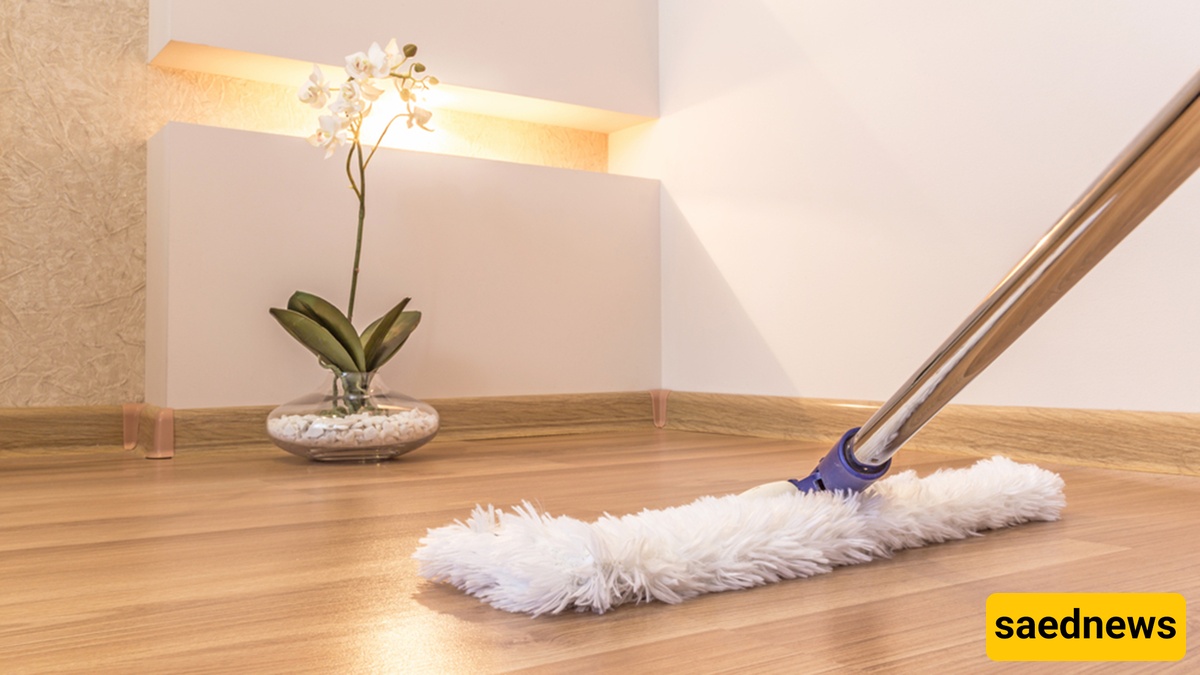
Some everyday habits can reduce the lifespan of floors:
• Using too much cleaning product: More detergent does not always mean better cleaning. Extra residue can attract dust and make surfaces look dull.
• Ignoring cleaning tools: A dirty mop or cloth can spread grime instead of removing it.
• Using the same method for every floor: Different materials require different care. A technique suitable for tiles may not be appropriate for wood or delicate surfaces.
• Waiting too long between cleanings: Allowing dirt to build up can make stains harder to remove.
The cleaning method should match the floor material:
Tile floors:
Regular sweeping and gentle mopping can help maintain their appearance. Pay extra attention to areas where dirt collects between tiles.
Wood floors:
Avoid excessive moisture and harsh cleaners. Soft tools and controlled cleaning methods help protect the surface.
Laminate floors:
Use limited water and avoid abrasive materials that may affect the finish.
Stone floors:
Follow care instructions specific to the type of stone, as some surfaces may require special products.
Small daily habits can reduce the need for frequent deep cleaning:
• Place mats near entrances to reduce incoming dirt.
• Clean spills quickly to prevent stains.
• Avoid dragging heavy objects across the floor.
• Clean high-traffic areas more often than less-used spaces.
A consistent cleaning routine combined with the right techniques can help floors remain hygienic, attractive, and in good condition for a longer time.