SAEDNEWS: Weekend catch-up sleep may help reduce some effects of short-term sleep loss, but it cannot fully replace a consistent sleep schedule.
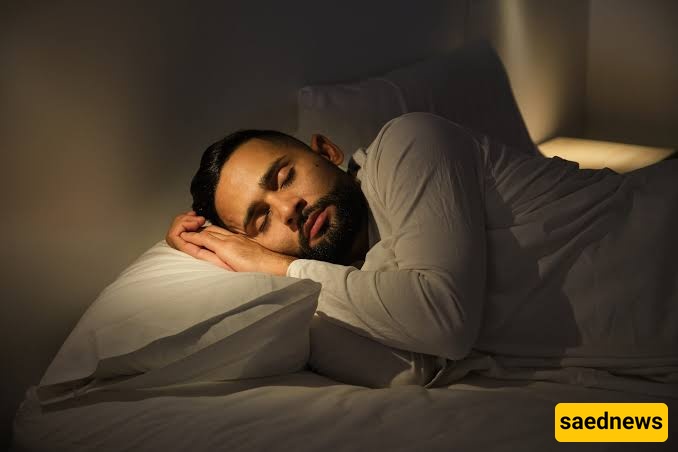
According to SAEDNEWS, many people try to recover from insufficient sleep during busy weekdays by sleeping longer on weekends. This practice, often called catch-up sleep, may provide some benefits, especially after short periods of sleep restriction, but its effectiveness depends on the amount of sleep lost and a person’s overall sleep habits.
When people do not get enough sleep, the body can accumulate what researchers call sleep debt. Extra sleep after a period of limited rest may help the body recover from some temporary effects of sleep deprivation.
Potential benefits of getting additional sleep on weekends may include:
• Improved alertness: Extra rest can reduce daytime tiredness and improve the ability to focus.
• Better mood regulation: Adequate sleep is linked with healthier emotional balance and lower irritability.
• Recovery from short-term sleep loss: Some studies suggest that additional sleep after restricted sleep periods may help improve certain metabolic and cognitive measures.
However, catch-up sleep is not a complete solution for ongoing sleep problems. Regularly sleeping too little during the week and trying to compensate only on weekends may not provide the same benefits as maintaining a stable sleep routine.

The body follows an internal biological clock known as the circadian rhythm, which helps regulate sleep and wake patterns. Sleeping much later on weekends can shift this rhythm, making it harder to fall asleep at the usual time before returning to work or school.
This pattern, sometimes called “social jet lag,” occurs when there is a large difference between a person’s weekday and weekend sleep schedules. Research suggests that irregular sleep timing may be associated with negative health outcomes, although the effects can vary among individuals.
The sleep loss is temporary
A few nights of reduced sleep may be easier for the body to recover from than a long-term pattern of insufficient sleep.
The extra sleep is not excessive
Sleeping much longer than usual may make waking up more difficult and can disrupt the next night’s rest.
A regular schedule is maintained afterward
Returning to a consistent bedtime and wake-up time helps support the body’s natural sleep cycle.
Instead of relying only on weekend sleep, experts generally recommend building healthier daily sleep habits:
• Aim for enough sleep each night based on individual needs.
• Keep bedtime and wake-up times relatively consistent throughout the week.
• Create a relaxing evening routine before sleep.
• Reduce factors that interfere with sleep quality, such as excessive evening screen exposure or an uncomfortable sleep environment.
Weekend catch-up sleep can be useful, but it should be viewed as a short-term recovery strategy rather than a replacement for regular, sufficient sleep. People who frequently need long periods of extra sleep to recover may need to examine their daily sleep patterns and make adjustments to improve overall sleep quality.
A balanced approach that combines adequate nightly sleep with occasional recovery rest is generally more supportive of long-term well-being than depending on large differences between weekday and weekend sleep.