SAEDNEWS: Sleeping with the legs drawn up is often a natural preference linked to comfort, body position, and individual sleep habits.
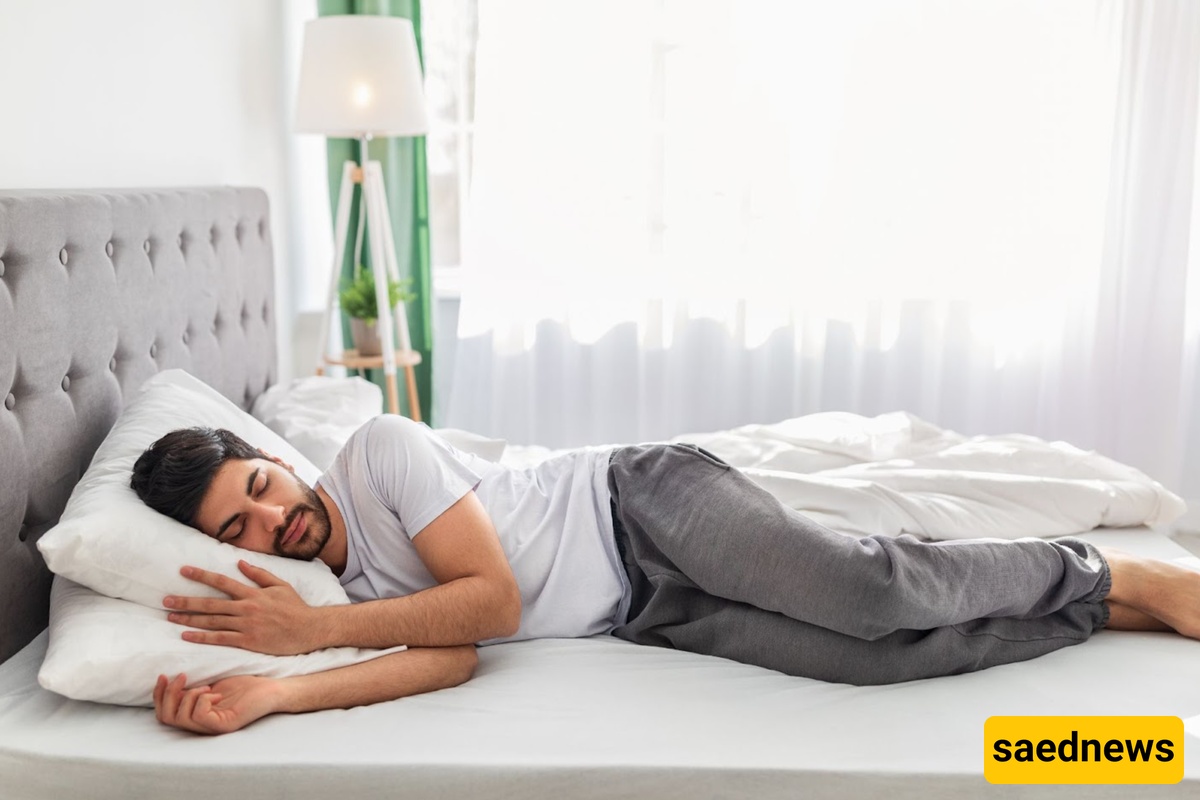
According to SAEDNEWS, some people naturally sleep with their knees bent and their legs drawn toward their body. This position can feel comfortable because it reduces the amount of stretching required in the hips and legs and may create a sense of physical support. Sleep posture is highly individual, and there is no single position that is considered ideal for everyone.
Keeping the legs slightly bent can help some sleepers maintain a stable posture throughout the night. When lying on the side, drawing the knees upward may also reduce tension in certain areas of the lower body. Some people find that placing a pillow between the knees makes this position more comfortable by supporting the legs and helping maintain a more neutral alignment of the hips and spine.
Several factors can influence a person's preferred sleeping posture, including:
Habit developed over many years
Mattress and pillow support
Individual body shape and flexibility
Temporary muscle tension or discomfort
Personal preference and sense of comfort
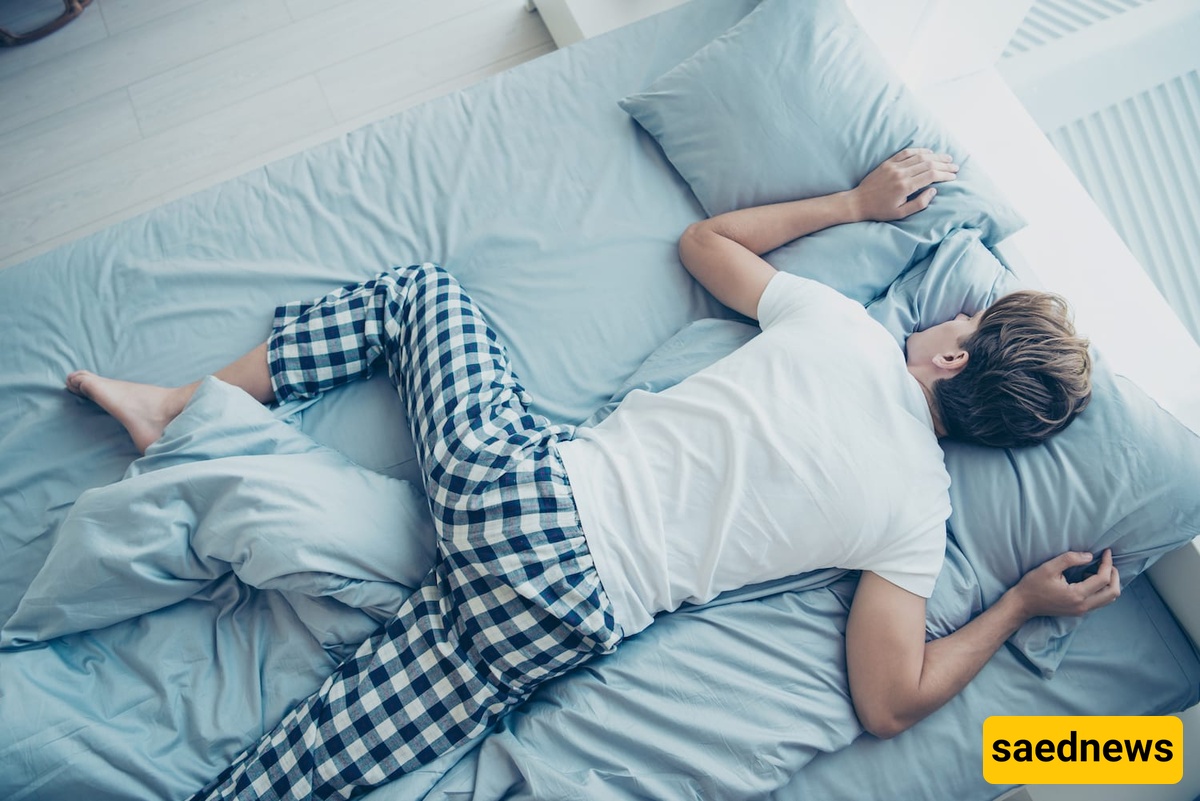
The curled-up posture resembles a compact sleeping position that many people adopt without consciously choosing it. Bending the knees can make the body feel more contained and supported, particularly for people who prefer sleeping on their side. However, there is limited evidence that this posture has a specific psychological meaning for everyone who uses it.
Simply sleeping with the legs drawn up is generally not a concern. However, if someone consistently curls their legs because straightening them causes pain, numbness, tingling, or significant stiffness, the underlying discomfort may deserve attention. Persistent or worsening symptoms can have many possible causes and should be discussed with a healthcare professional rather than being attributed solely to sleeping posture.
For greater comfort, side sleepers who prefer a curled position can experiment with a supportive pillow between their knees and avoid pulling the knees excessively toward the chest. The most suitable sleeping posture is ultimately one that allows comfortable, uninterrupted sleep without causing pain or unusual symptoms.