SAEDNEWS: Clutter, harsh lighting, noise, and an uncomfortable sleep environment can make a bedroom feel less peaceful and restorative.
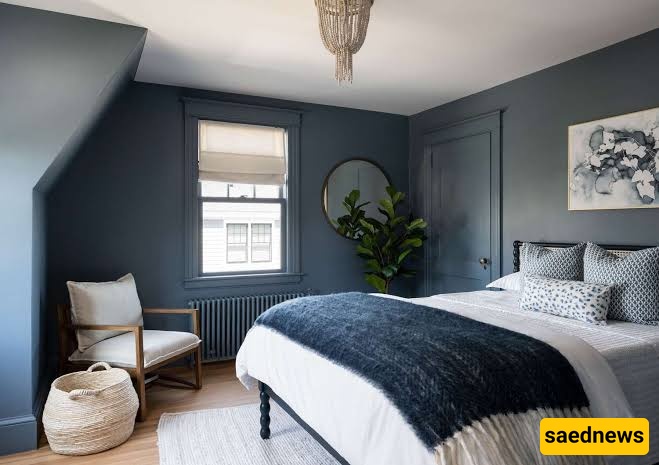
According to SAEDNEWS, a bedroom can look clean and attractive yet still fail to create a sense of calm. The atmosphere of the room is influenced by several details, including visual clutter, lighting, noise, temperature, and the arrangement of furniture. When these elements compete for attention, the bedroom may feel more stimulating than restful.
Several features can make a bedroom feel less relaxing:
Too much visible clutter: Crowded surfaces, piles of clothes, and miscellaneous objects can create visual distraction.
Harsh or overly bright lighting: Strong overhead light can make the room feel more active rather than restful, particularly in the evening.
Excessive noise: Traffic, television sounds, notifications, or other recurring noises can interfere with a quiet atmosphere and may disturb sleep.
An uncomfortable temperature: A bedroom that feels excessively warm or cold can make physical relaxation more difficult.
Too many contrasting elements: Busy patterns, numerous decorative objects, and mismatched colors can make the space feel visually overwhelming.
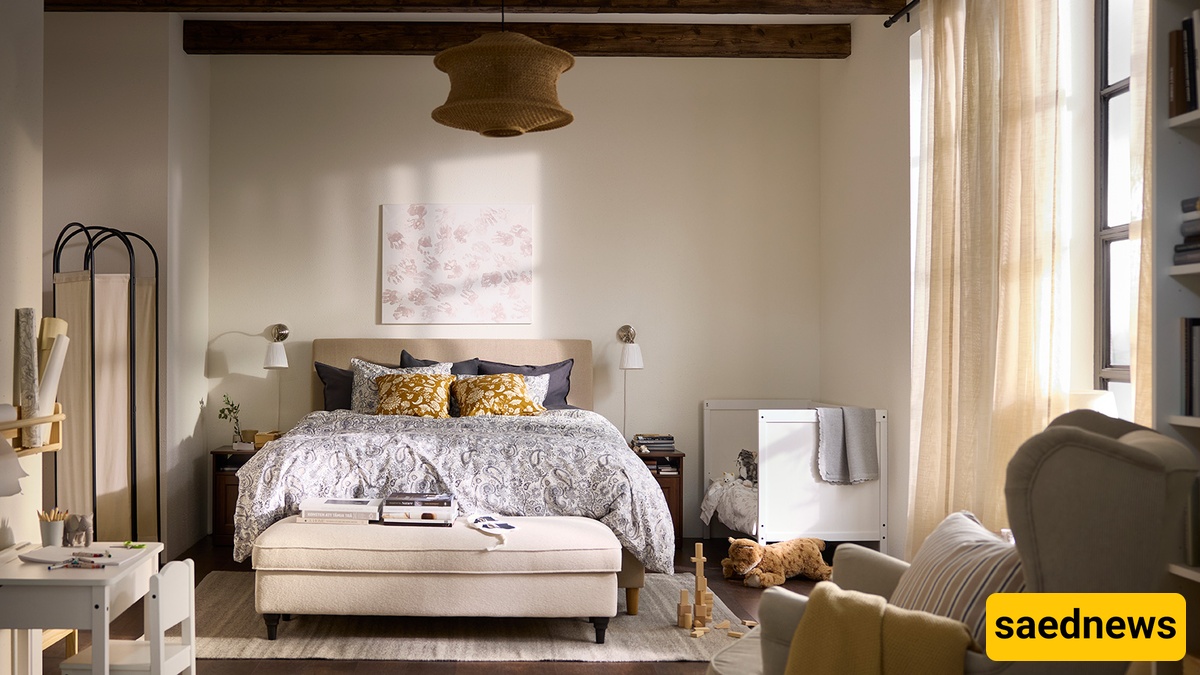
People often focus on the mattress and bedding when trying to make a bedroom more comfortable, but the surrounding environment also matters. A bed positioned awkwardly among large pieces of furniture can make the room feel cramped. Likewise, having work materials, exercise equipment, or other reminders of daytime activities directly around the sleeping area may make it harder to mentally separate rest from daily responsibilities.
A calmer arrangement usually leaves enough open space to move comfortably and keeps frequently used surfaces reasonably organized. The goal is not to create a perfectly minimalist room, but to reduce unnecessary visual and practical distractions.
A bedroom does not need an expensive makeover to feel more peaceful. Simple adjustments can help create a quieter environment:
Keep bedside surfaces limited to items that are genuinely useful.
Use softer, adjustable lighting in the evening.
Put clothes, bags, and other frequently scattered belongings in designated places.
Reduce unnecessary sources of sound before bedtime.
Keep the room at a comfortable temperature.
Choose bedding and decorative elements that feel visually soothing rather than overwhelming.
A relaxing bedroom is ultimately less about following a particular decorating style and more about creating an environment that supports comfort and rest. Removing distractions and organizing the space around its main purpose can make the room feel noticeably calmer without requiring major changes.