SAEDNEWS: A child who repeatedly erases parts of a drawing may be showing perfectionism, uncertainty, or a desire to make things look exactly right. Understanding the reason behind this behavior can help parents respond with patience rather than pressure.
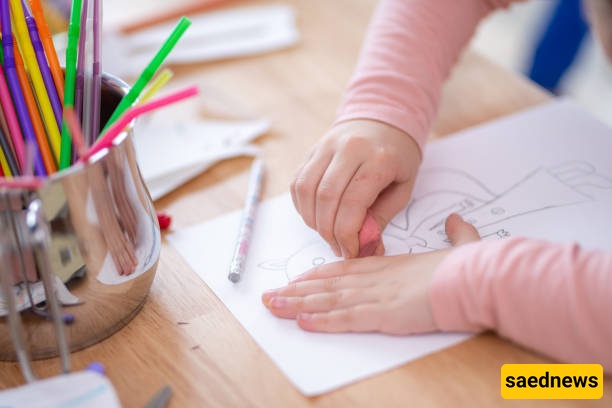
According to SAEDNEWS, children often use drawing to express ideas, emotions, and imagination. When a child repeatedly erases and redraws the same part, it may simply mean they want to improve their picture. However, frequent erasing can sometimes reveal how the child approaches mistakes and challenges.
Some children have high expectations for their own work. They may become uncomfortable when a line, shape, or detail does not match what they imagined. Erasing repeatedly can be their way of trying to reach a picture that feels “perfect” to them.
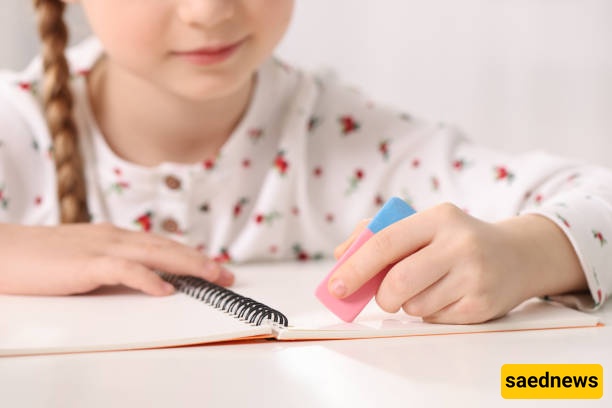
For some children, mistakes can feel more serious than they actually are. A child may erase quickly because they worry that others will judge their drawing. Encouraging them to see mistakes as a normal part of learning can gradually make drawing more enjoyable.
When children become overly focused on producing a beautiful picture, they may pay less attention to the creative process. Parents can help by praising effort, imagination, and persistence instead of only commenting on how the finished drawing looks.
Instead of saying, “Stop erasing,” try asking what the child wants to change. Offering reassurance and reminding them that drawings do not have to be perfect can reduce pressure. Giving them freedom to experiment can also make them more confident.
Occasional erasing is completely normal. However, if a child becomes extremely upset about small mistakes or avoids drawing and other activities because of fear of doing something incorrectly, it may be worth observing the pattern more closely. A calm and supportive environment can help the child develop a healthier attitude toward mistakes.