SAEDNEWS: Repeatedly asking for the same story is a normal part of childhood development. Familiar stories can give children a sense of security while helping their brains strengthen memory, language skills, emotional understanding, and the ability to predict what comes next.

According to SAEDNEWS, children often request the same story because repetition helps their developing brains learn and organize information. What may seem boring to adults can feel comforting and rewarding to a child. Each retelling allows the child to notice details that may have been missed before.
Hearing a familiar story repeatedly helps children remember characters, events, phrases, and sequences. With each reading, they become better at recalling what happened and may even predict the next part. This repeated practice supports memory and early learning skills.
Children often enjoy knowing what will happen next. A familiar story has predictable characters and events, which can create a comforting sense of stability. Repetition can be especially appealing when children are tired, adjusting to changes, or looking for something familiar.
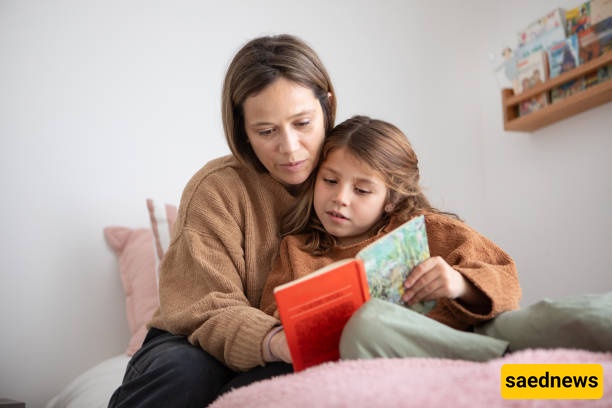
Repeated stories expose children to the same vocabulary and sentence patterns many times. Gradually, they may begin using new words themselves or completing familiar sentences before the adult finishes them. This can support vocabulary development and communication skills.
A child may also return to a story because they are still processing its emotional themes. Repeated listening gives them opportunities to think about feelings, relationships, problems, and solutions at their own pace. Different details may become meaningful as their understanding develops.
Asking for the same story again and again is generally a healthy learning behavior rather than a sign that something is wrong. Parents and caregivers can make repetition interactive by asking simple questions, pausing before familiar lines, or letting the child retell parts of the story. What feels repetitive to an adult can be an important learning experience for a young brain.