SAEDNEWS: Aging is an inevitable stage of life, accompanied by physical, social, and psychological changes. While some people view it as a period of decline, understanding the realities of aging and recognizing cultural differences can help us develop a more accurate, fair, and respectful perspective toward older adults.

According to Saednews, Psychologists have traditionally regarded old age as a period of decline. During this stage of life, individuals face a range of physical limitations and social losses that they must learn to cope with.
During old age, physical strength and health generally decline. Retirement often results in a significant loss of income, and over time, relationships with spouses, relatives, and friends may become less frequent.
Along with these difficulties, older adults may experience a decline in social status, which is often associated with aging. As is commonly discussed in the United States, they may develop a passive sense of being “useless.”
However, aging is more than simply growing older. It may occur slowly or rapidly, gradually or suddenly. Some people seem to move toward old age step by step and gracefully, while others may suddenly appear old following an unpleasant event, whether real or imagined. Regardless of how it occurs, aging is inevitable and is ultimately a part of everyone’s destiny.

In recent years, some psychologists have attempted to present a more optimistic view of aging. While acknowledging some of the difficulties and losses associated with old age, they argue that later life can also be accompanied by satisfaction. As long as individuals remain actively engaged with their environment, they can continue to gain new experiences.
One thing is certain: development continues throughout the final years of life. Although people may experience a decline in their physical capacities during the later stages of adulthood, they can still retain the ability and desire to influence and manage their surroundings. Even if they have lost some of the people they loved, their need to love and to receive affection remains alive.
The later stage of adulthood, which—thanks to continuous improvements in medical care, nutrition, and physical living conditions—allows increasing numbers of people to reach their seventies and beyond, can be regarded as one of the gifts of the twentieth century.
Nevertheless, aging has become an important global issue. Demographic estimates in Western countries indicated that between 1970 and 2000, the number of older people would double. By the end of the century, people over the age of 65 were expected to make up approximately 15 percent of the world’s population.
If you were asked to estimate a person’s age based solely on appearance, you would probably make frequent mistakes. In fact, we often say that an older person “looks young for their age” or “looks old for their age.”
Such comments indicate that chronological age is an imperfect measure of functional age, or of a person’s actual abilities and performance.
Because people age biologically at different rates, specialists distinguish between frail older adults who appear physically weak and elderly people who seem unusually youthful and physically capable for their chronological age.
Psychologists have generally placed the beginning of old age around 60 to 65, approximately the age at which many people retire. However, there is no absolute or universally accepted age at which old age begins.
At age 65, a person may still expect to live for more than another 12 years. If someone reaches the age of 80, they may still have an additional life expectancy of around 10 years.
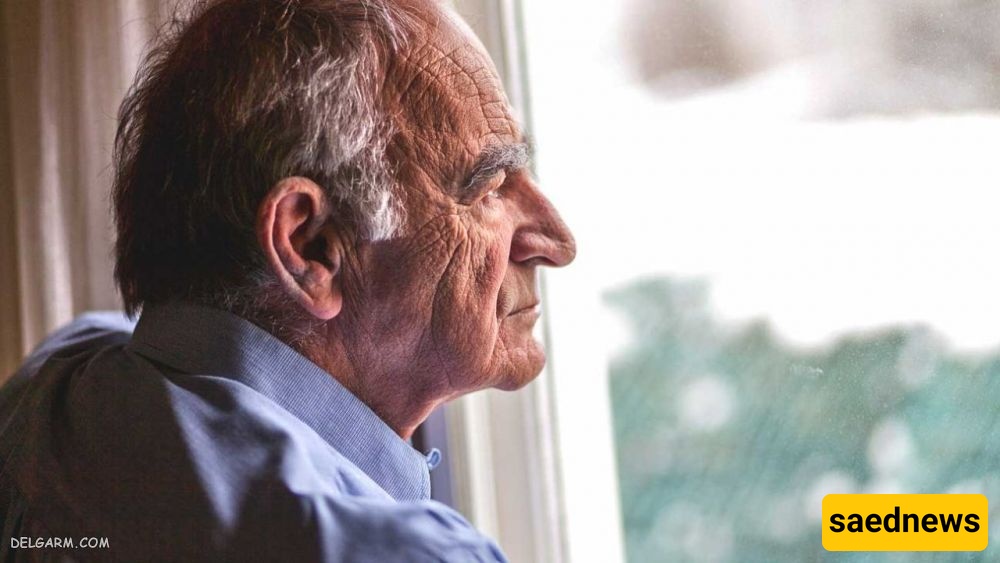
The meaning of aging is largely shaped by culture. Across cultures, life and death are regarded as parts of the life cycle and are integrated into human experience.
Aging can be viewed as a stage of reaching wisdom and maturity. In Western culture, however, aging and death are often perceived as unavoidable and, for many people, as threats to human existence. As a result, growing old may be viewed as moving closer to the grave.
Here are several common myths about aging that should not be taken at face value:
Aging and old age are unavoidable processes of decline.
Older people are unproductive or no longer contribute to society.
Older adults resist change.
However, numerous examples contradict these stereotypes. Ageism—the negative perception and treatment of older adults—is largely shaped by a collection of cultural attitudes, behaviors, and habits.
According to Erikson and Beregman, older adults experience internal conflicts that we may not notice when interacting with them. We are aware of many of their social and physical difficulties, and we may feel sympathy for them even when we believe that they are no longer highly productive.
Nevertheless, we can revise our perceptions of older adults by recognizing examples of elderly people who remain useful, energetic, and actively involved in social activities.
Even so, our assessment of aging is often based on outward behavior, leaving us unable to recognize the internal crises older adults may experience. We may not realize that when an elderly person appears quiet and calm, they may actually be struggling with some of the most important questions of their life: Should I now face death? Has my life been meaningful? What gives life meaning?
The way people age varies from one culture to another. In simple and healthy societies, the longevity of older adults depends on a number of factors.
Older people may hold a respected and valued position within society. They may live with family members who respect them and consider them useful both to the family and to the wider community. Forced withdrawal from social activities is uncommon, and they continue working for as long as they are able.
Reaching advanced age is the result of complex factors. Among the most important are genetic characteristics, nutrition, health, and environmental conditions. In general, however, aging is accompanied by physical changes, particularly reductions in vision, hearing, taste, smell, physical strength, and the speed of responses to stimuli.
Generally, there is no need for a major reduction in daily activities until around the age of 65. Some healthier adults over 65 can continue performing many of their previous activities and responsibilities for several more years.
In terms of everyday activities such as eating, dressing, bathing, cooking, shopping, and doing household chores, most older adults remain capable of taking care of themselves until around the age of 80, and sometimes even beyond that age.
Some older people also develop one or more chronic illnesses. Common conditions include joint pain, muscle tremors, hearing impairment, and heart disease.
In general, older adults visit doctors more frequently, are hospitalized more often, and spend more time and money on healthcare.
Dental care is also important, particularly care of the teeth and gums because of their role in maintaining proper nutrition. Older adults living in residential care facilities—which represent only a small percentage of the elderly population—generally require greater medical and psychological support.
Overall, a person’s health during old age is influenced by lifestyle, nutrition, sleep, exercise, smoking and alcohol consumption, and sexual behavior.
Like adolescence, aging is characterized by changes in the organs, including changes in their appearance, as well as changes related to the nutrition and maintenance of body tissues. The most visible changes are undoubtedly those affecting external features such as the skin and hair.

Another physical change associated with aging is increased sensitivity to cold and heat. The body becomes less capable of adapting quickly to changes in temperature.
The amount of sleep also tends to decrease during this period. At the same time, wrinkles become more noticeable because of reduced body fat and the thinning of muscles beneath the skin.
Other visible changes include thinning, loss, and whitening of scalp hair, as well as the growth of facial hair on the chin in women and around the ears in men. The body may also become narrower and lighter, height may decrease, bones may become thinner, and posture may become more stooped.
In addition, as people age, the body’s physiological reserves decline. As a result, individuals may become less able to cope with physical stress and may need to reduce their activities, increasing their dependence on others.
Among the body’s organs, the brain is generally one of the last to experience significant decline. In fact, the brain of a healthy older person can remain remarkably similar to that of a healthy younger person and can retain many of its previous functions.
Aging is an advanced stage of life. Older men and women who have lived meaningful lives, raised capable and responsible children, and made positive contributions to cultural, social, and economic development deserve the greatest respect and support. They should never be excluded from important areas of life simply because they have grown older.