SAEDNEWS: Repeating familiar activities can make children feel comfortable, secure, and in control. Repetition also helps them practice skills, understand routines, and strengthen their memory. Although repeated behavior is often a normal part of childhood development, its frequency and intensity can vary from one child to another.
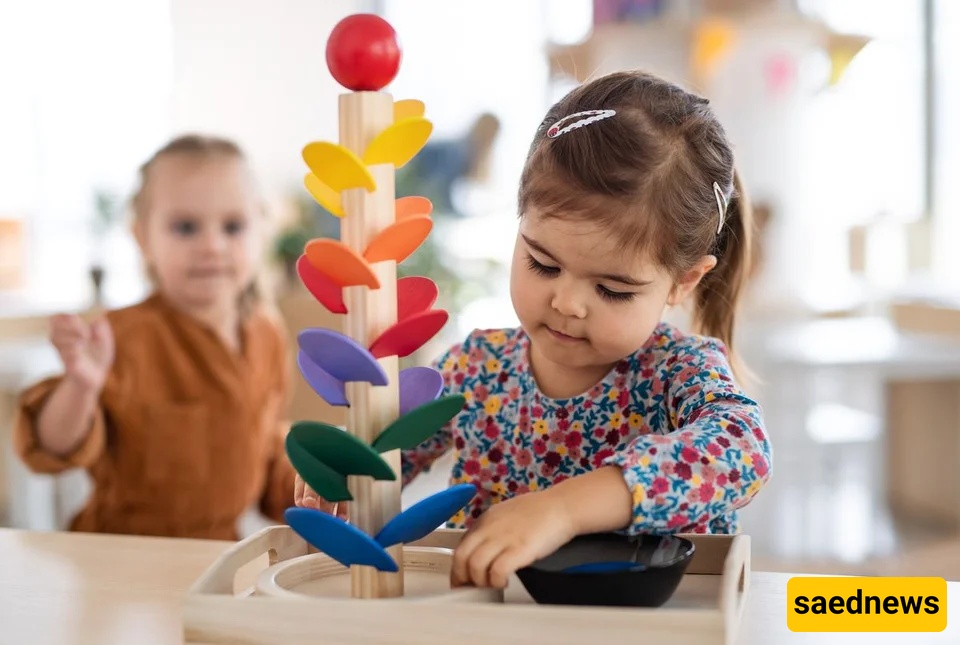
According to SAEDNEWS, children often repeat activities because familiarity gives them a sense of comfort and predictability. Knowing what will happen next can make everyday experiences easier to understand, especially when children are still learning how to respond to new situations.
Repetition is an important part of childhood learning. A child may want to build the same structure, hear the same story, play the same game, or practice the same skill many times. Each repetition allows the child to notice details, improve coordination, and become more confident.
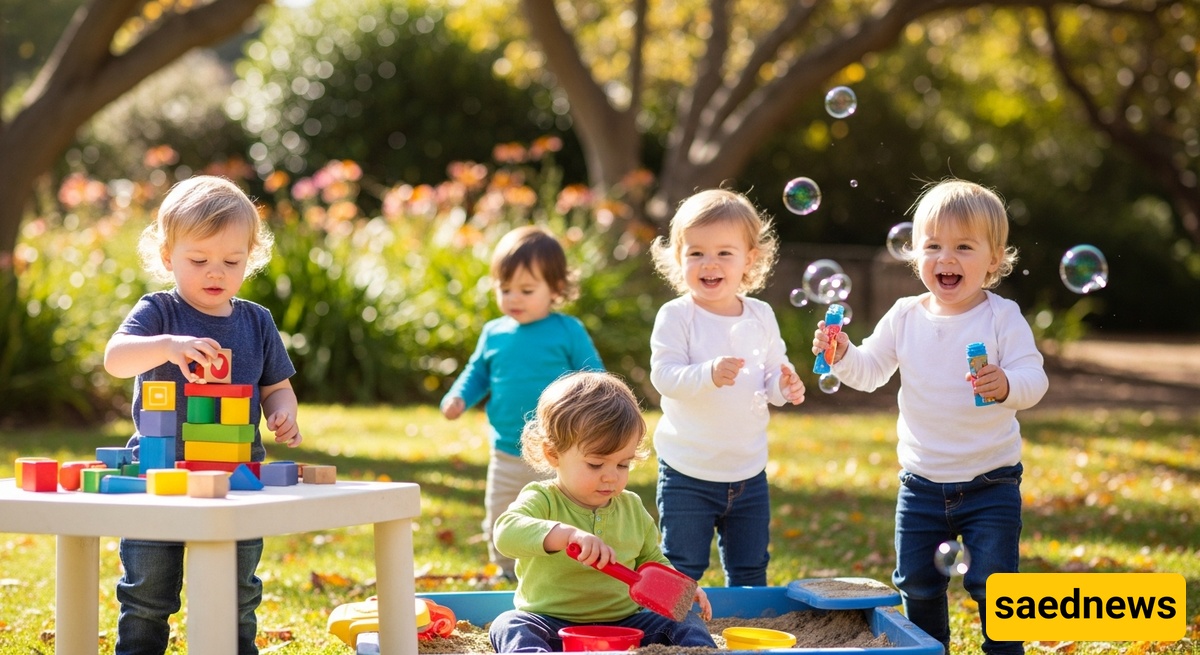
Young children have limited control over many aspects of daily life. Repeating a preferred activity allows them to choose what happens and how it happens. This feeling of control can be especially comforting when their surroundings or routines change.
Familiar activities can provide emotional reassurance. A repeated routine may help a child relax because there are fewer surprises involved. For some children, repeating an activity can also become a calming habit when they are tired, overwhelmed, or adjusting to something new.
Not every repeated behavior means the same thing. Some children simply enjoy familiar games, while others may repeat certain actions very frequently or become upset when they cannot continue. Paying attention to the child's overall behavior, communication, emotions, and ability to participate in daily activities can provide useful context.
Parents can usually respond calmly rather than immediately trying to stop repetition. They can allow healthy repetition while gradually introducing small changes, such as adding a new step to a familiar game. Patience and encouragement can help children become more comfortable with flexibility while still enjoying activities that make them feel secure.