SAEDNEWS: Some people have introverted and socially withdrawn personalities, meaning they tend to avoid groups and prefer spending time alone. This test can help you determine whether you are naturally sociable or more inclined to avoid social situations.

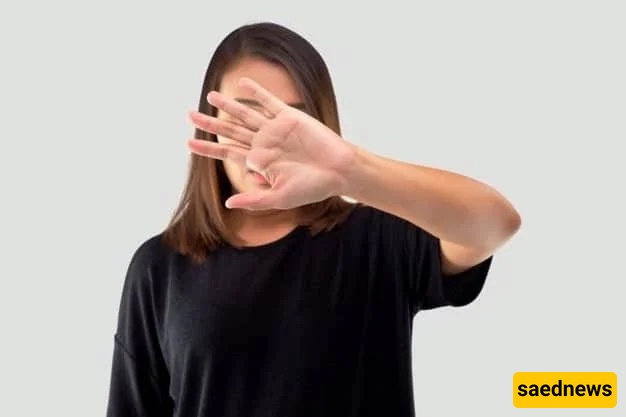
According to Saednews, Some people enjoy being around others and can communicate effectively with those around them. They tend to have strong self-confidence and are often more successful in social environments. On the other hand, some people are more reserved and avoid social situations. They may dislike interacting with others, feel uncomfortable in groups, and often prefer spending time alone.
Negative thoughts about how others perceive them can make social situations particularly stressful. These thoughts are often accompanied by self-doubt, criticism of their own abilities, and overlooking their strengths and achievements. As a result, being around other people may become uncomfortable or even overwhelming.
This personality quiz is designed to help you understand your social tendencies. By answering a few simple questions, you can find out whether you tend to be socially outgoing, reserved, or somewhere in between.
I spend more time talking on the phone. (10 points)
I spend a lot of time on social media. (15 points)
I love listening to music. (25 points)
I think about problems that have come up and discuss them. (5 points)
I don't really care about the style; I choose whatever I like, whether it is old-fashioned or modern. (10 points)
I don't care about the style; I simply choose one outfit. (20 points)
I choose the latest fashion trends. (10 points)
I never really know what is fashionable. (15 points)
I remain quiet. (20 points)
I talk a lot. (5 points)
I try to find something to say. (15 points)
I make brief but distinctive comments. (10 points)
I sit toward the back so I can talk to others. (5 points)
I sit somewhere in a corner. (20 points)
I talk a lot until the teacher gets annoyed. (10 points)
I speak only when necessary. (15 points)
Black (20 points)
Gray (25 points)
Red (15 points)
Blue (10 points)
Very rarely (25 points)
Only when going to a restaurant for a meal (20 points)
Always (5 points)
Sometimes (10 points)
I attend and try to meet new people. (10 points)
I never go to parties where there are many strangers. (25 points)
I would rather go to the party than stay home. (10 points)
Cat (25 points)
Dog (10 points)
Monkey (10 points)
Birds (5 points)
Kind and sociable (5 points)
Cheerful and friendly (10 points)
Cold and indifferent (20 points)
Sad and grumpy (25 points)
In busy, crowded places (10 points)
In quiet places (20 points)
Alone with friends and acquaintances (15 points)
Somewhere completely by myself (25 points)
You appear to be highly reserved and may find social interaction difficult. You may feel uncomfortable in social environments and prefer spending time alone. You may often enjoy being by yourself, relaxing in your own space, and getting lost in your thoughts and imagination.
You do not particularly enjoy social gatherings or frequent interaction with others. Although you have not reached the point of completely avoiding society, you may be moving in that direction if you continue to withdraw from social situations. Try to gradually build stronger and more comfortable connections with the people around you.

Social interaction may not be something you particularly enjoy, but you do not dislike it either. A busy social life is probably not your top priority. You may feel uncomfortable in places where you do not know anyone and tend to keep your distance from strangers. However, despite finding unfamiliar social situations challenging, you generally prefer being around people to being completely alone.
You appear to be a naturally social person who can easily connect with others. You enjoy spending time with friends and other people and may dislike being alone for long periods. You are generally comfortable in social environments and tend to build relationships with others easily.
Note: This quiz is intended for general self-reflection and entertainment. It is not a clinical assessment or a diagnosis of social anxiety, depression, or any other mental-health condition.