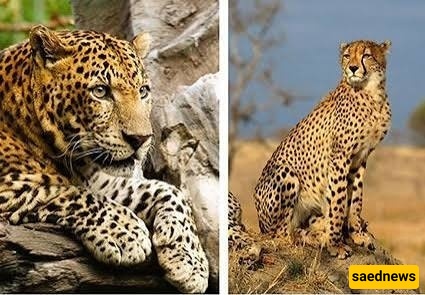
SAEDNEWS: The difference between a cheetah and a leopard is quite significant, with obvious distinctions between them, particularly in terms of speed. However, they do share some similarities, mainly because both belong to the cat family, one of the most powerful and fascinating groups in the animal kingdom.
According to Saednews, The cheetah’s evolutionary history stretches much farther back than that of lions, tigers, jaguars, and leopards. It took millions of years for the cheetah to evolve into the remarkable animal we know today.
One obvious similarity is their spotted coats. Jaguars are New World cats, meaning they are naturally found only in the Americas, while cheetahs and leopards have historically occupied much larger ranges across Africa and parts of Asia.
So, how can you tell them apart?
The most famous difference is speed. Cheetahs are the fastest land animals on Earth, capable of reaching speeds of more than 70 mph for short bursts, while leopards are considerably slower.
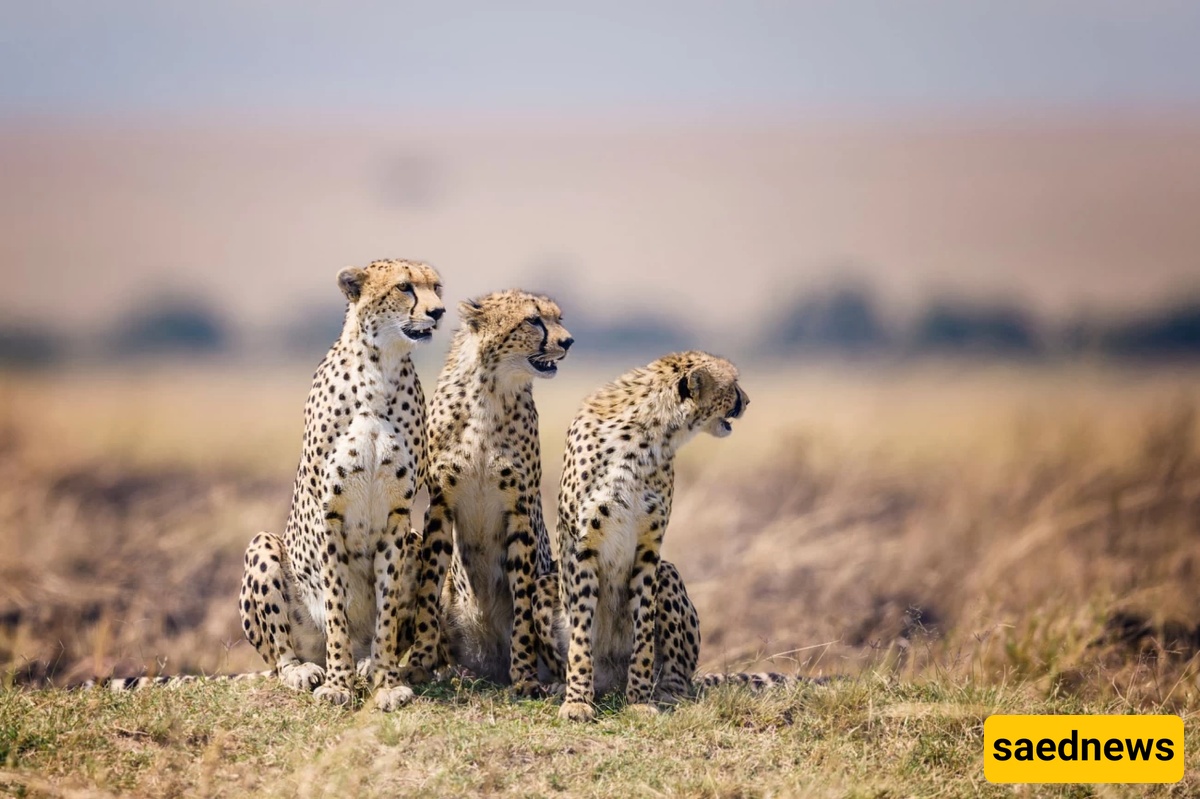
There is also a major difference in their biological classification. Both animals belong to the Felidae family, which includes lions, tigers, jaguars, snow leopards, clouded leopards, and other cats. However, they belong to different genera.
The cheetah belongs to the genus Acinonyx and is the only surviving member of that genus. The leopard belongs to the genus Panthera, alongside lions, tigers, jaguars, and snow leopards.
Scientists have described several leopard subspecies, although the exact number has changed as classifications have been revised. Well-known populations include the African leopard, Indian leopard, Amur leopard, Javan leopard, and North Chinese leopard.
Cheetahs have also been divided into several subspecies, including the Asiatic cheetah and Northwest African cheetah.
Interestingly, the cheetah’s closest living relatives are thought to be cougars and related small-cat lineages rather than the big cats. The leopard’s closest relatives within Panthera include the lion, tiger, and jaguar.
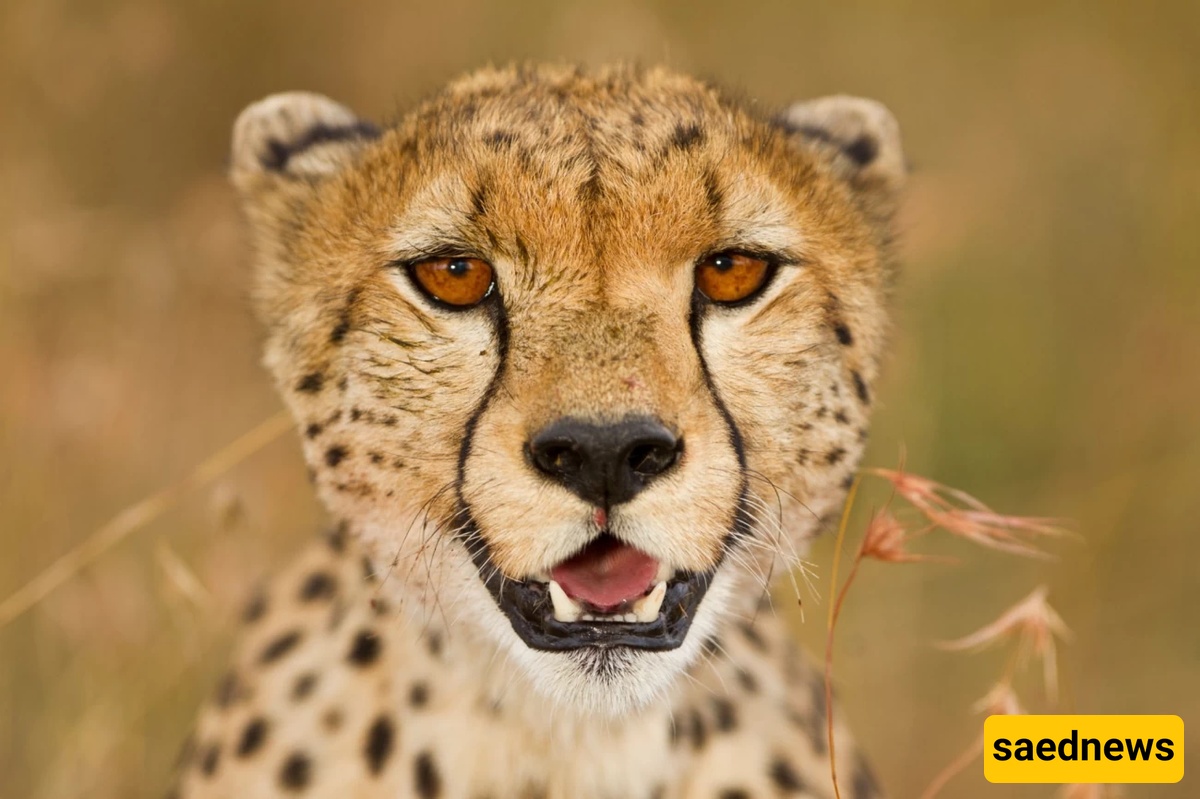
Although both animals have spotted coats, their patterns are easy to distinguish once you know what to look for.
Cheetahs have numerous small, solid black spots across their bodies. They also have distinctive black “tear marks” running from the inner corners of their eyes toward their mouths.
Leopards, on the other hand, have larger dark markings arranged into rosette-shaped patterns, often with a lighter or brownish center. Their coats are generally more golden-yellow, while cheetahs tend to have a lighter, tawny appearance.
A cheetah is built for acceleration and speed. Its body is slender, lightweight, and aerodynamic, with long legs, a flexible spine, and a large nasal passage that helps support intense bursts of exertion.
Leopards have a very different physique. They are compact, muscular, and powerful, with strong jaws and limbs designed for overpowering prey and climbing trees.
In other words, the cheetah is essentially built for speed, while the leopard is built for strength and versatility.
Cheetahs generally weigh around 46–159 pounds, while large leopards can reach approximately 200 pounds or more.
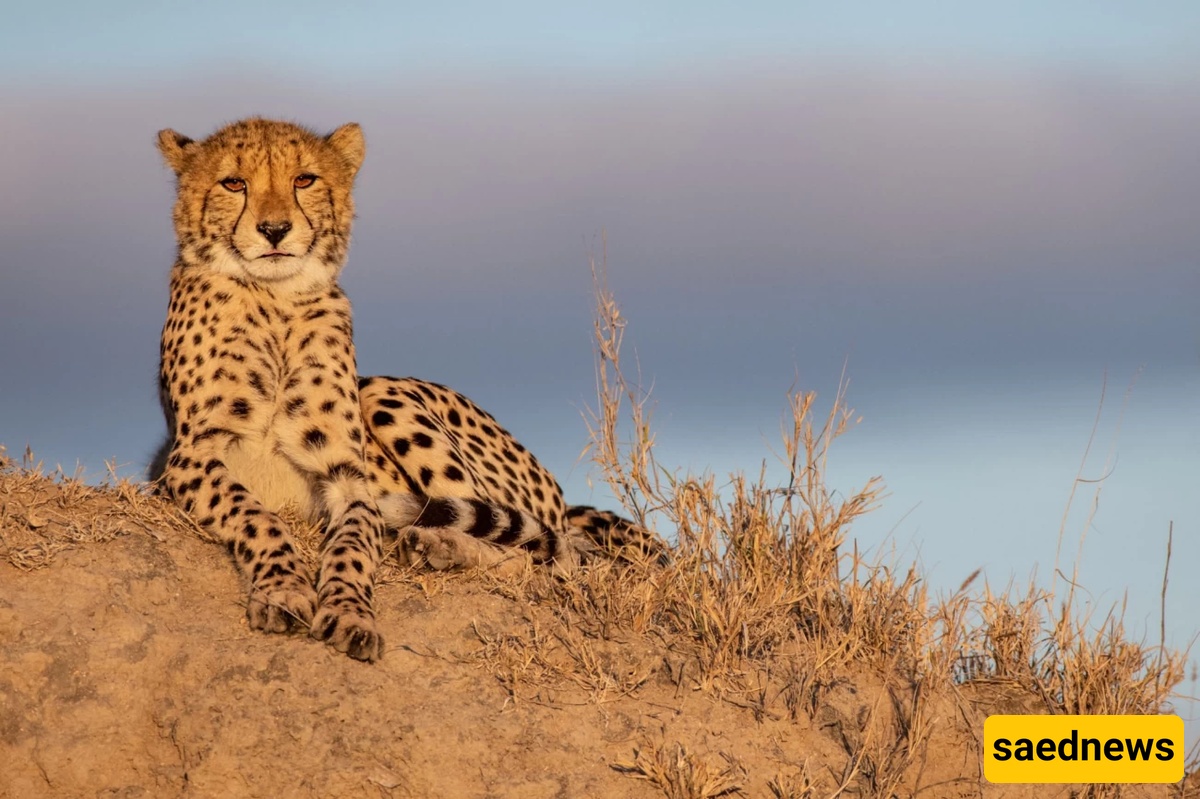
Another important difference is their claws. Cheetahs have semi-retractable claws that provide extra traction while running at high speed. This feature helps them maintain grip on the ground during rapid acceleration and sharp turns.
Leopards have fully retractable claws, which are useful for climbing, gripping prey, and defending themselves.
Cheetahs cannot roar like lions and leopards. Instead, they communicate through sounds such as purrs, chirps, growls, and distinctive calls.
Leopards, being members of the Panthera genus, are capable of roaring as well as producing other feline vocalizations.
Cheetahs are especially associated with open environments such as grasslands, savannas, and semi-arid regions. Their body shape and hunting style are particularly well suited to areas where they can see and chase prey over long distances.
Leopards are much more adaptable. They can survive in grasslands, forests, mountains, deserts, and woodland habitats.
Trees are particularly important to many leopard populations. Leopards are excellent climbers and may drag their kills into trees, helping protect their food from scavengers and competing predators.
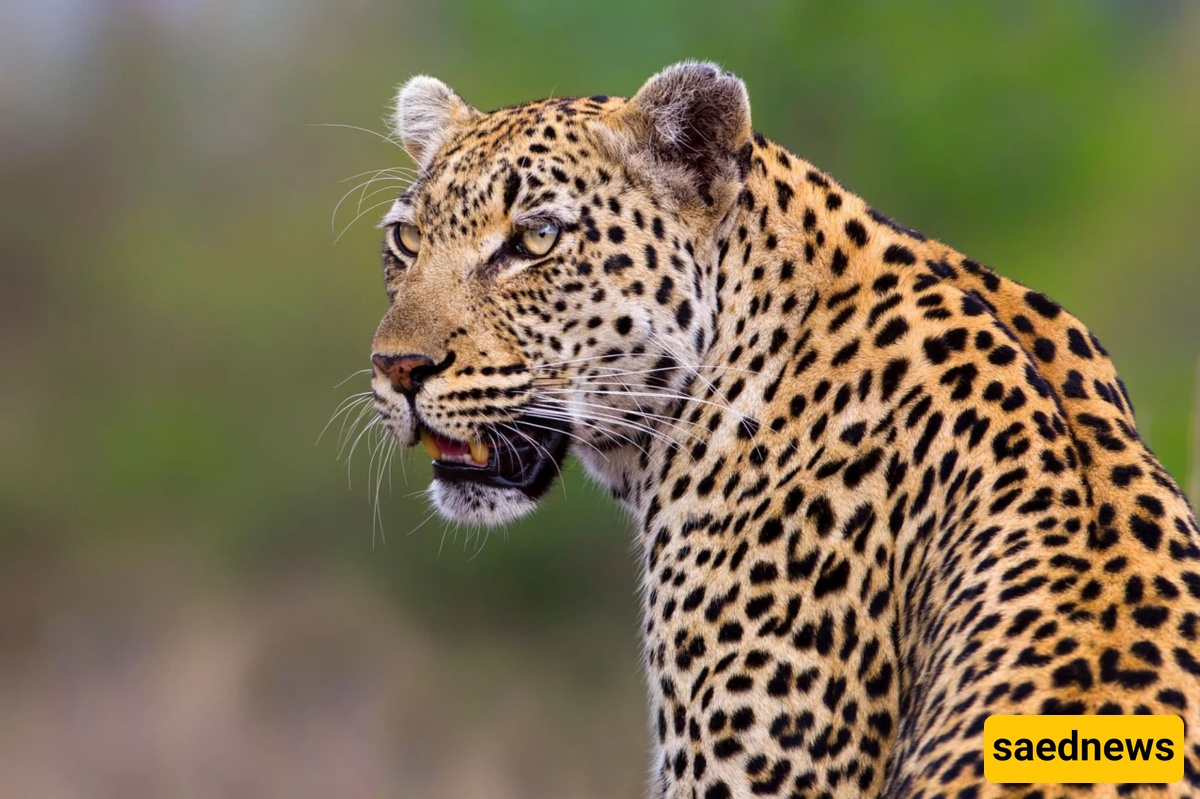
Cheetahs, despite being relatively agile on the ground, are not skilled tree climbers like leopards.
Cheetahs are primarily active during the daytime, particularly around the cooler hours of early morning and late afternoon. They rely heavily on their exceptional eyesight to locate prey and then pursue it in a high-speed chase.
Their typical prey includes gazelles, antelope, and other relatively small to medium-sized mammals.
Leopards are more flexible hunters and are often active at night. Rather than relying on a long-distance chase, they frequently stalk their prey quietly and use ambush tactics.
Their diet is also far more varied. Leopards are opportunistic predators and may eat everything from insects and rodents to monkeys, antelope, and other comparatively large animals.
In the wild, cheetahs generally have shorter lifespans, often around 8–10 years, while leopards can commonly live for roughly 12–17 years.
In captivity, both species may live considerably longer because they receive regular food, veterinary care, and protection from predators and other environmental threats.
Despite their differences, cheetahs and leopards share several important characteristics.
Both are members of the Felidae family, are carnivorous predators, have spotted coats that provide camouflage, and show sexual dimorphism, with males generally being larger and heavier than females.
They also overlap geographically across parts of Africa and Asia. This shared range is one reason people sometimes confuse the two animals.
However, their ecological roles are quite different. The cheetah is primarily a high-speed pursuit predator, whereas the leopard is a stealthy and highly adaptable ambush predator.
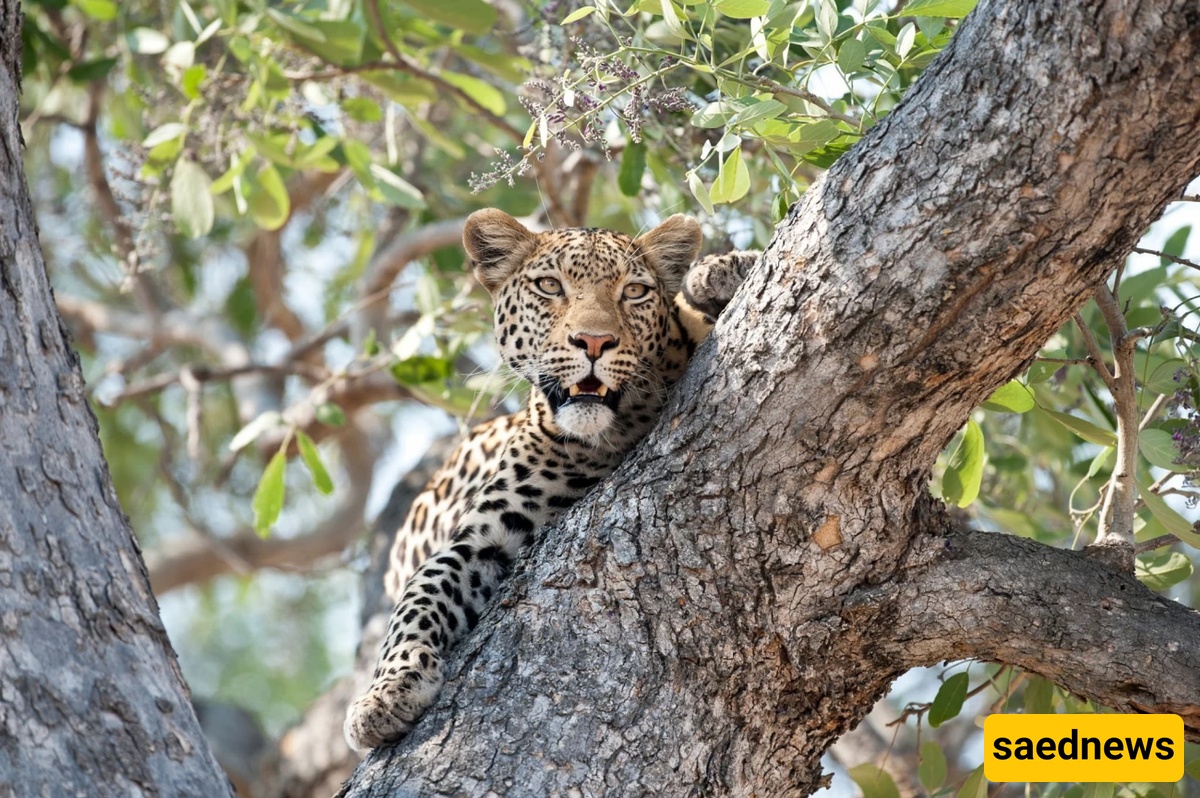
There is another important similarity between cheetahs, leopards, and many other wild animals: all face increasing pressure from habitat loss and human activity.
The International Union for Conservation of Nature (IUCN) currently classifies the cheetah as Vulnerable and the leopard as Vulnerable at the species level. However, the situation varies considerably among individual populations and subspecies.
Some leopard populations are in much greater danger, while the Asiatic cheetah and Northwest African cheetah are among the most threatened cheetah populations.
The easiest way to remember the difference is simple:
Cheetahs are built for speed; leopards are built for strength, stealth, and adaptability.
A cheetah has a slim body, solid black spots, long legs, semi-retractable claws, and distinctive tear marks. A leopard has a muscular build, rosette-shaped markings, fully retractable claws, and excellent climbing ability.
Although they may look similar at first glance, these two magnificent cats have evolved very different strategies for surviving in the wild.