SAEDNEWS: Teaching children responsibility helps them become more confident, independent, and prepared for daily challenges. Encouraging good habits, giving suitable tasks, and allowing children to learn from experiences can build a strong sense of responsibility from an early age.
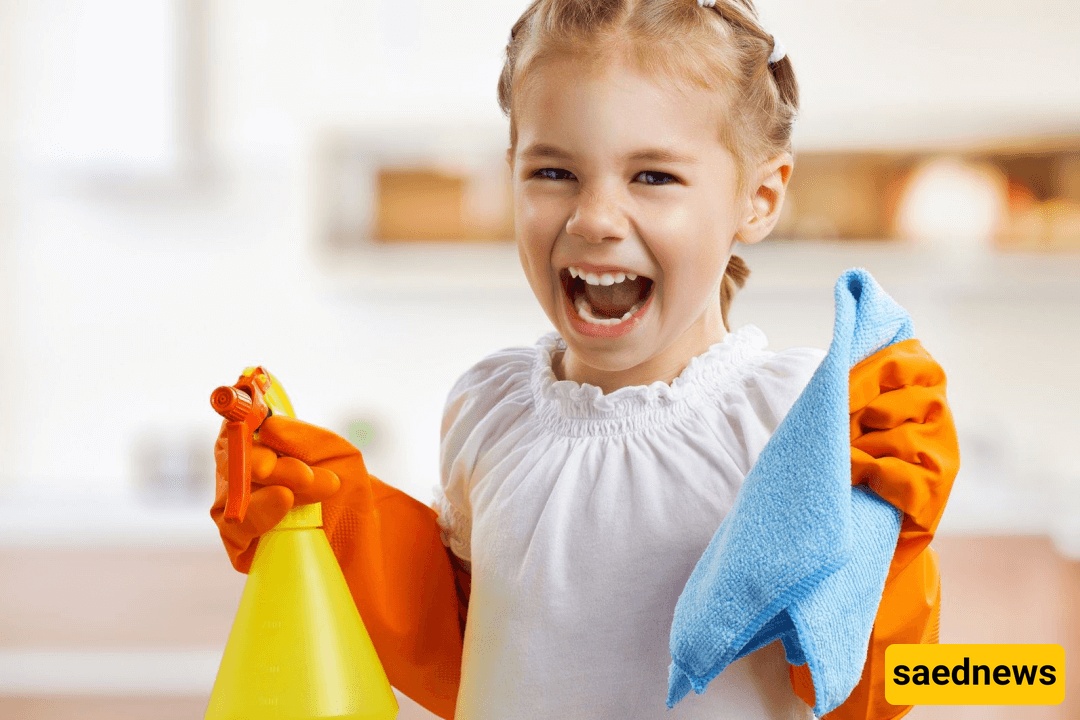
According to SAEDNEWS, responsibility develops gradually through everyday experiences and guidance from parents. Simple habits such as organizing personal belongings, following routines, and completing small tasks can help children understand the importance of commitment. Consistent encouragement allows children to feel capable and motivated to take ownership of their actions.
Children learn responsibility when they receive tasks that match their abilities. Parents can encourage them to help with simple household activities, care for their belongings, and participate in family routines. These activities teach valuable skills while helping children recognize that their efforts contribute to a better home environment.
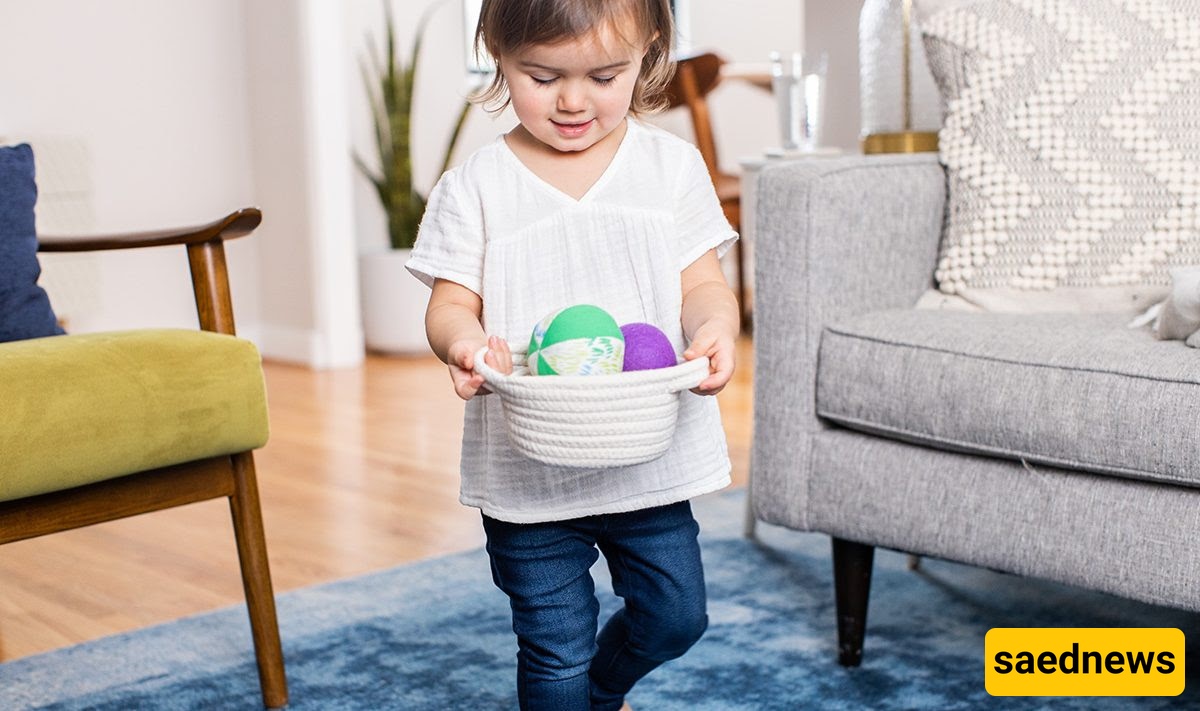
Allowing children to make suitable choices helps them understand responsibility and consequences. Parents can guide children to think about their decisions and learn from mistakes in a supportive way. This approach helps develop problem-solving skills and encourages children to become more thoughtful in their actions.
Responsibility requires patience and continuous effort. Children should learn that completing tasks and reaching goals often takes time. Supporting their progress and appreciating their efforts can increase confidence and encourage them to continue developing positive behaviors.
Children often learn by observing the behavior of adults around them. Parents who show responsibility, honesty, and respect in daily life provide a strong example for children to follow. A supportive family environment can help children develop responsible attitudes that remain valuable throughout their lives.