SAEDNEWS: Eczema, also known as atopic dermatitis, is a common skin condition characterized by dryness, itching, irritation, and inflammation. This article explores some of the most suitable oils for eczema-prone skin and explains how to use them properly to help soothe and moisturize the skin.

According to Saednews, Eczema, or atopic dermatitis, is one of the most common inflammatory skin conditions. It is often accompanied by severe dryness, persistent itching, redness, and flaking. This condition occurs when the skin's protective barrier—the outermost layer of the skin—becomes impaired and loses its ability to retain natural moisture.
As a result, allergens and microbes can more easily penetrate the deeper layers of the skin and trigger inflammatory reactions.
Although there is no definitive cure for eczema, proper management and the use of suitable moisturizers can significantly reduce its symptoms. Among various moisturizing products, natural plant oils are considered useful options because they contain essential fatty acids, vitamins, and anti-inflammatory compounds that may help support the skin barrier and reduce inflammation.
But which oil is best for eczema? In this comprehensive guide, we explore the most beneficial natural oils, how to use them correctly, and important tips for getting the most out of their properties.

Eczema-prone skin often has difficulty retaining water due to reduced levels of natural lipids and ceramides. Plant oils may help support the skin in several ways:
Emollient effect: Oils can help fill spaces between skin cells, making the skin feel softer and smoother.
Occlusive effect: Some oils create a protective layer on the skin that helps reduce transepidermal water loss (TEWL) and maintain hydration.
Anti-inflammatory properties: Many plant oils contain phenolic compounds, flavonoids, and omega fatty acids that may help soothe inflammation, redness, and itching.
Antimicrobial properties: Because eczema-prone skin can be vulnerable to colonization by bacteria such as Staphylococcus aureus, certain oils may offer additional antimicrobial benefits.
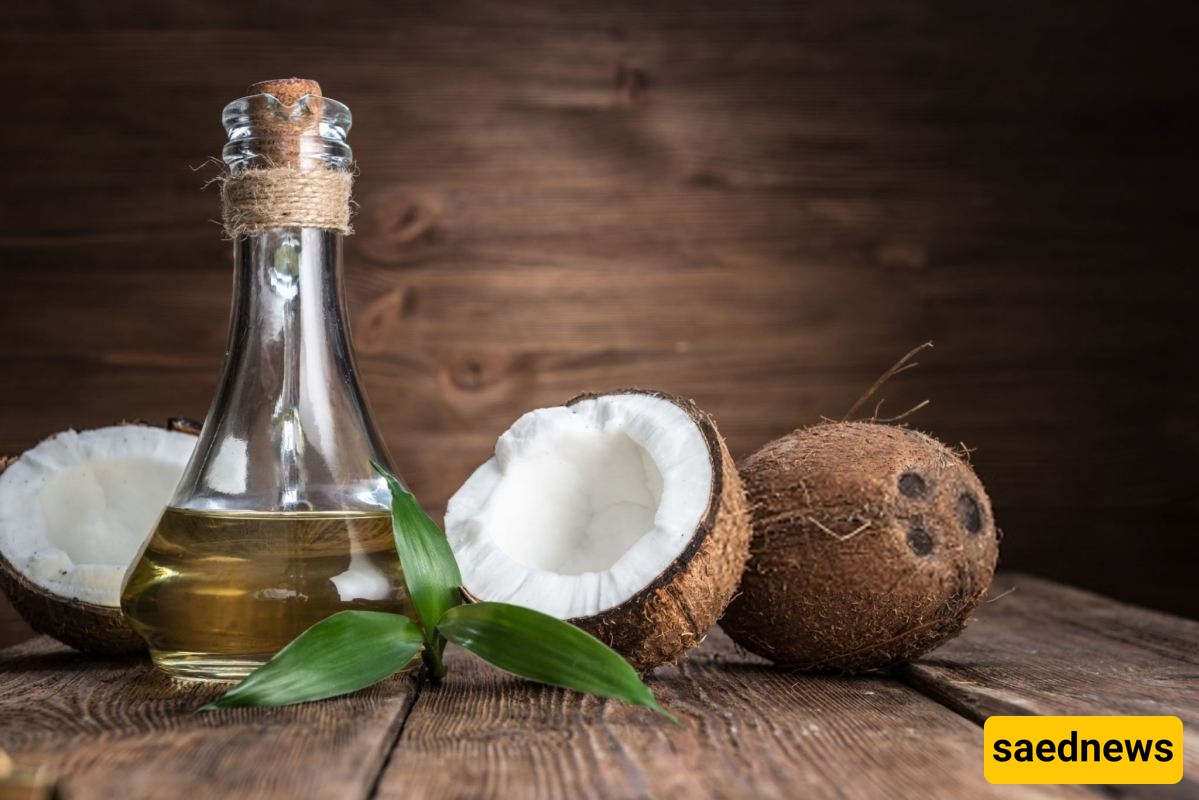
Virgin coconut oil is one of the most popular natural options for dry, eczema-prone skin. It is rich in lauric acid, a fatty acid known for its antimicrobial properties.
Studies suggest that topical use of virgin coconut oil may help improve skin hydration and reduce water loss from the skin. Its medium-chain triglycerides may also help support the skin's protective barrier.
Choose pure, minimally processed virgin coconut oil without added fragrances or unnecessary ingredients, as these may irritate sensitive skin.
Jojoba oil is technically a liquid wax and is structurally similar to human sebum, the skin's natural oil. This similarity allows it to spread easily across the skin and provide a lightweight protective layer.
It is generally considered non-comedogenic and may be suitable for different skin types, including sensitive and acne-prone skin.
Jojoba oil also contains antioxidant compounds, including vitamin E, which may help protect and support the skin.

Sunflower seed oil contains high levels of linoleic acid, an essential omega-6 fatty acid that plays an important role in maintaining a healthy skin barrier.
For eczema-prone skin, sunflower oil is often considered a preferable option to olive oil because its fatty acid profile may better support skin barrier function. Pure, cold-pressed sunflower oil can be applied to slightly damp skin after bathing to help seal in moisture.
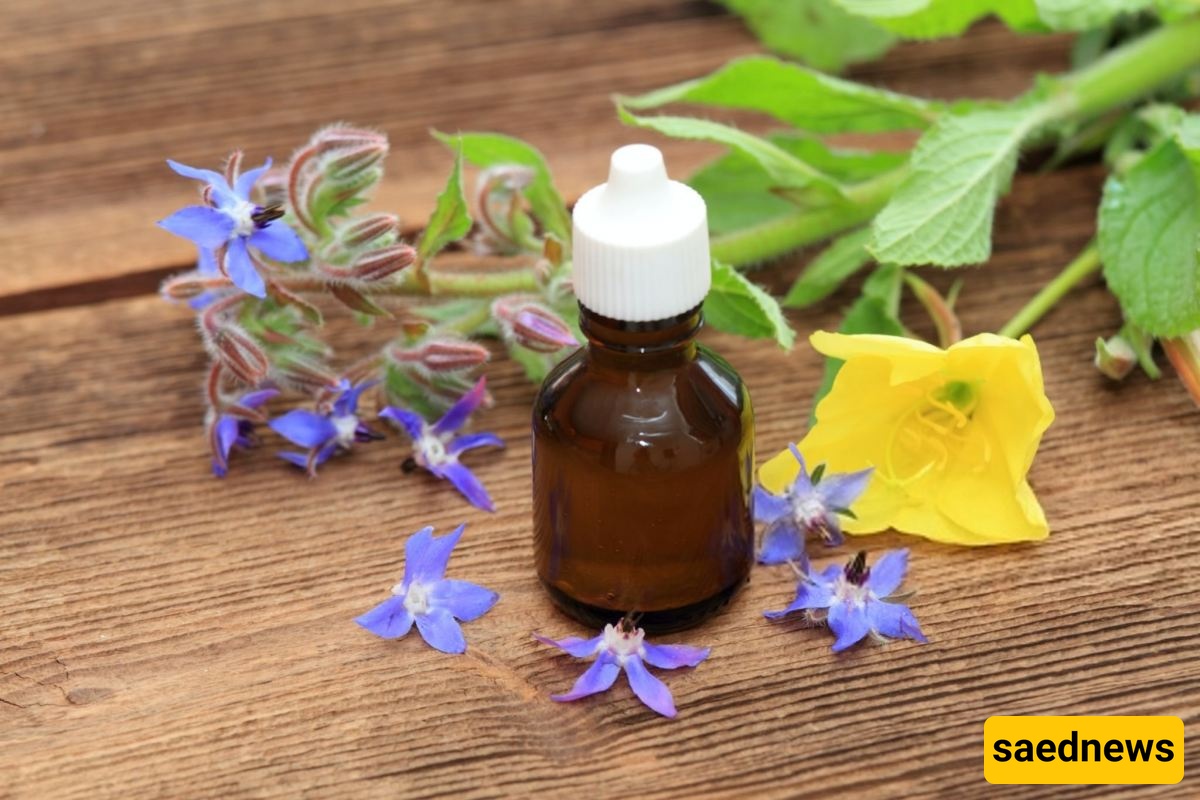
Both evening primrose oil and borage oil contain gamma-linolenic acid (GLA), a less common omega-6 fatty acid involved in inflammatory processes.
Evening primrose oil: May help soothe dry, irritated skin when used as part of a skincare routine.
Borage oil: Contains a higher concentration of GLA and may offer anti-inflammatory benefits.
Evidence regarding the effectiveness of these oils for eczema can vary, particularly when taken orally. If considering oral supplements, consult a healthcare professional first.
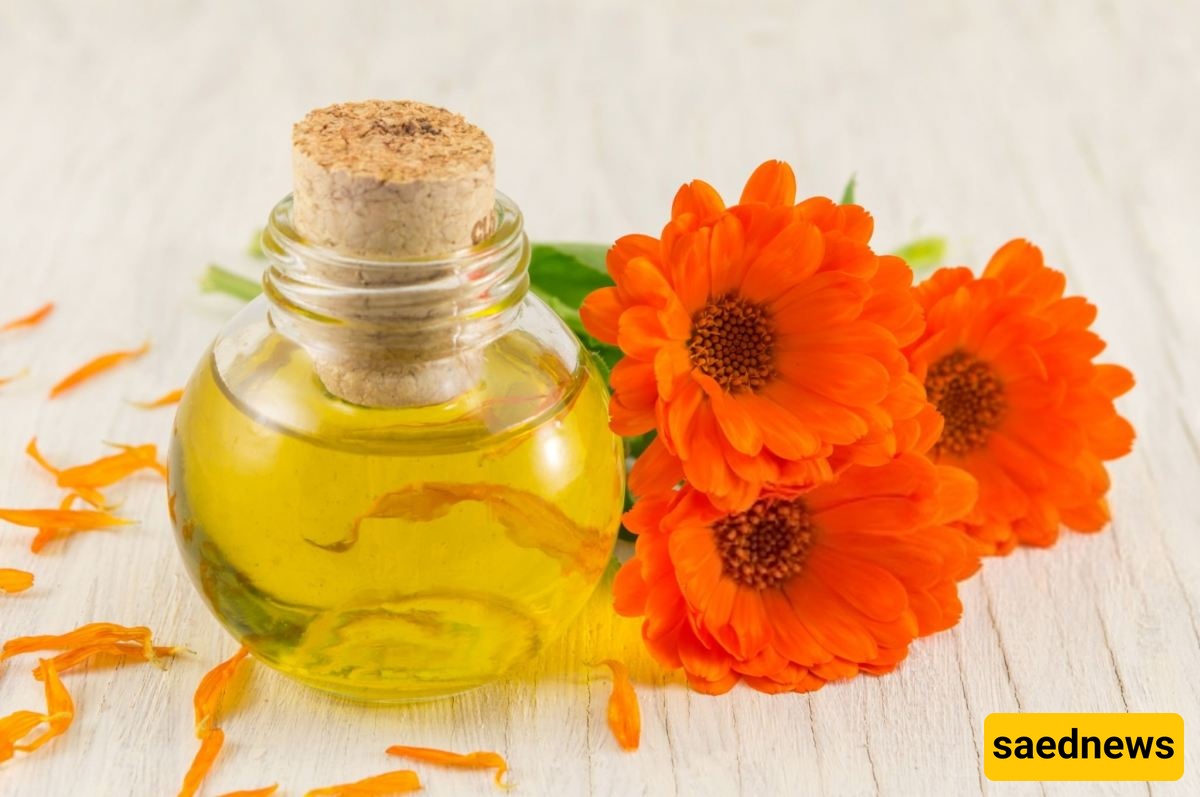
Calendula oil is typically made by infusing calendula flowers in a carrier oil, such as sunflower or another plant oil.
It is valued for its soothing and anti-inflammatory properties and may be helpful for irritated, dry, or cracked skin. Calendula-based products are often used to comfort sensitive skin, although people with allergies to plants in the daisy family should use caution.
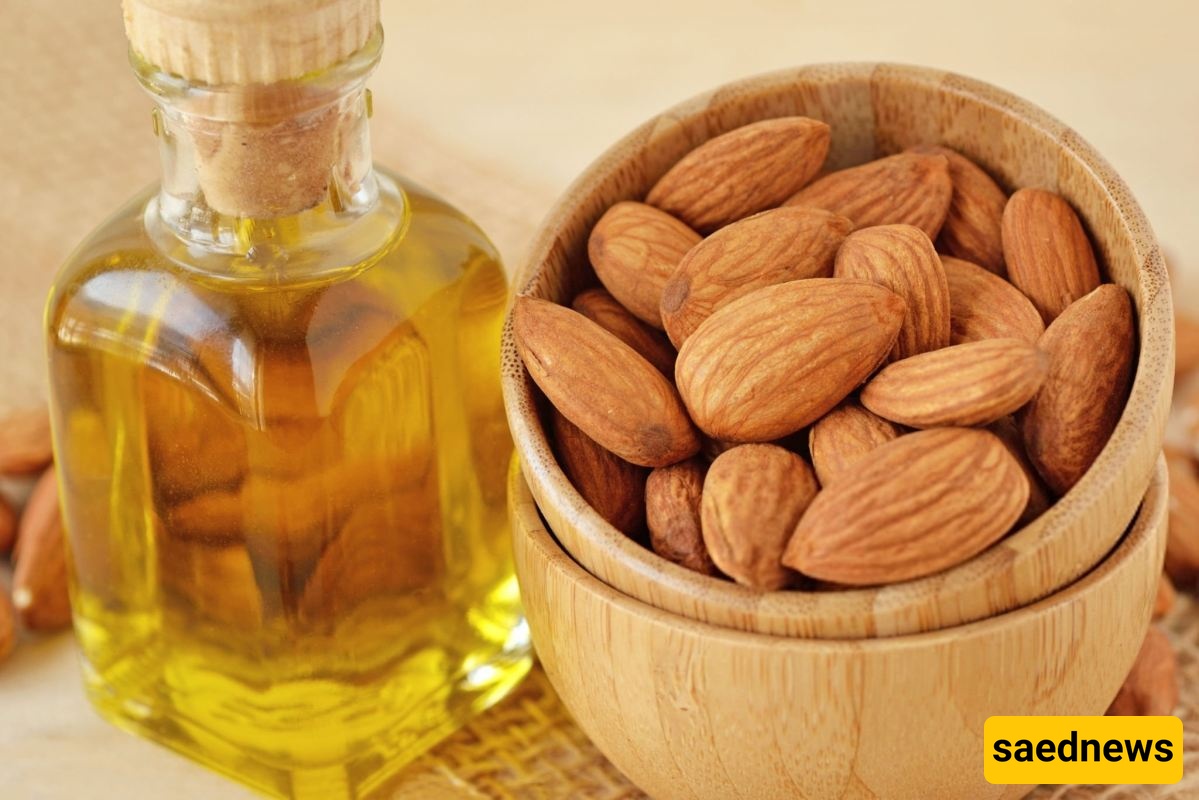
Sweet almond oil is a mild, nourishing oil rich in vitamin E and unsaturated fatty acids. It can help soften dry skin and improve its overall smoothness.
Its lightweight texture makes it a popular choice for sensitive skin. However, anyone with a nut allergy should avoid using almond oil unless advised otherwise by a healthcare professional.
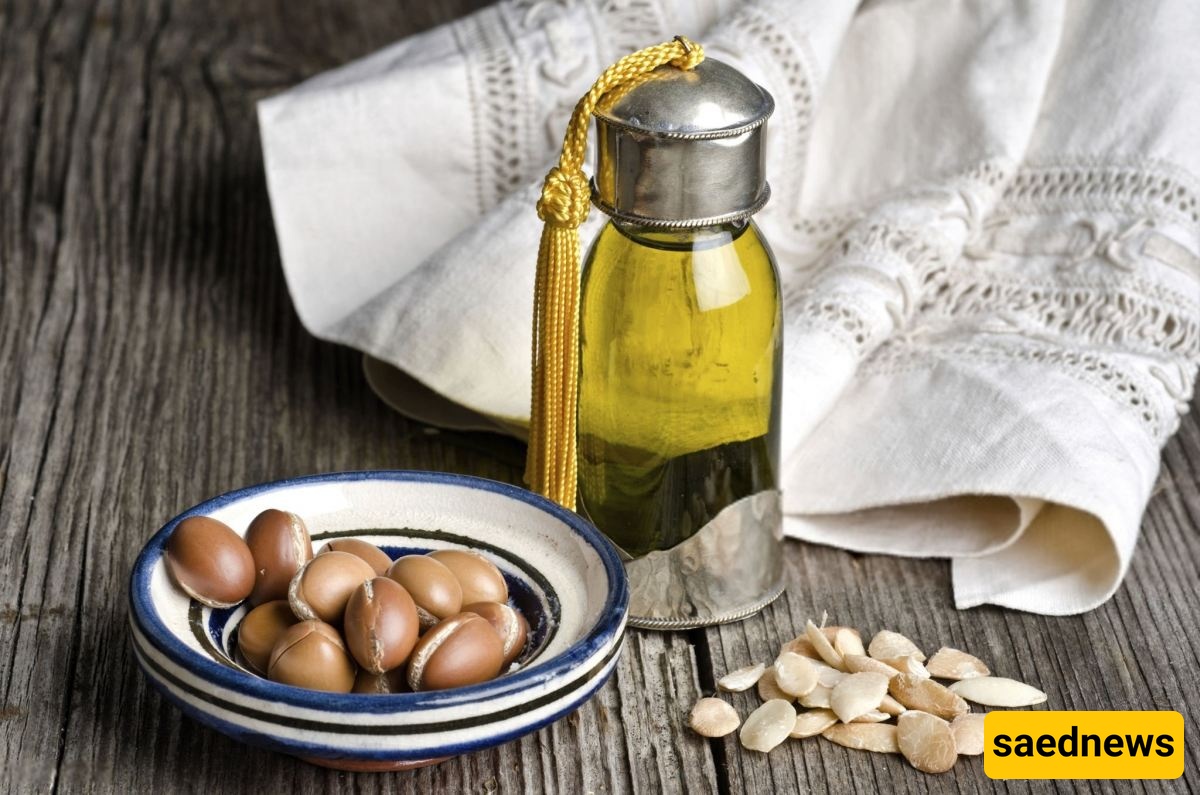
Argan oil is extracted from the kernels of the argan tree and is rich in vitamin E, antioxidants, and beneficial fatty acids.
It may help nourish dry skin, support the skin barrier, and reduce the feeling of tightness associated with dryness. Its antioxidant and anti-inflammatory properties may also help soothe irritated skin.
For people looking for a richer yet easily absorbed oil, argan oil can be a useful addition to an eczema skincare routine.
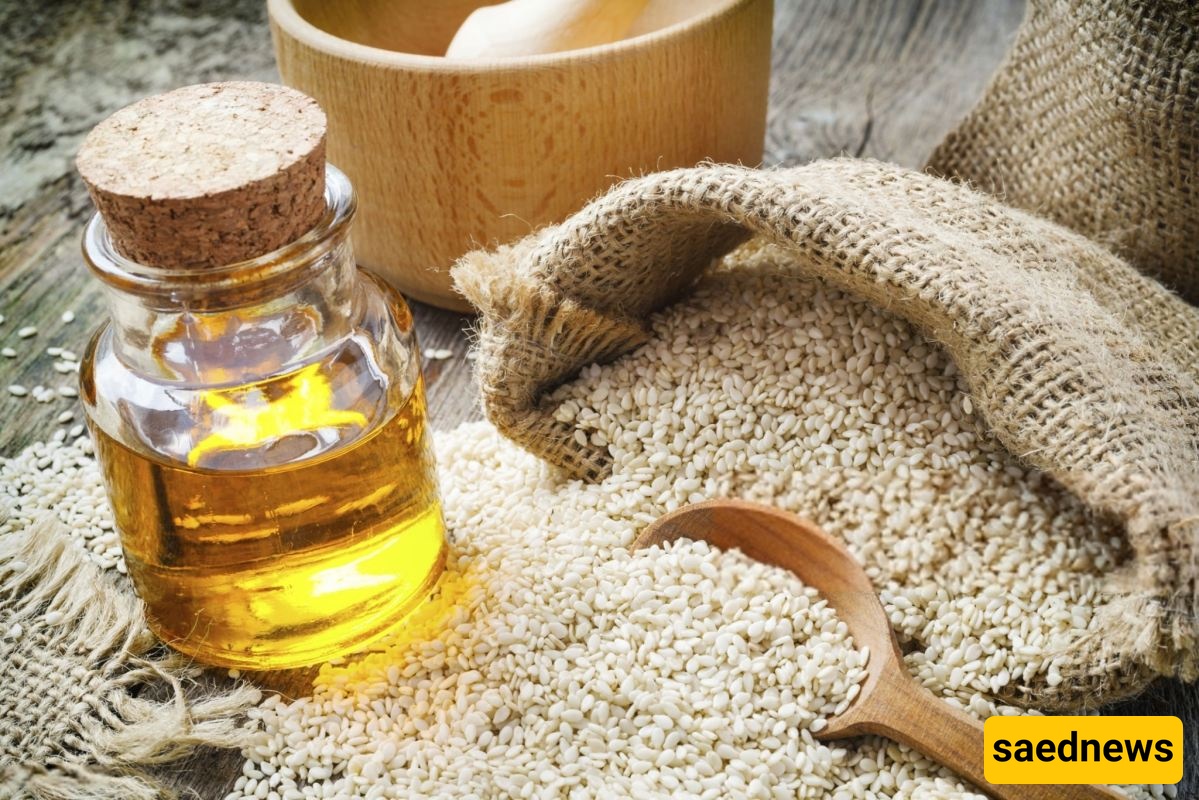
Sesame oil contains antioxidants and beneficial fatty acids that may help support dry skin. It has traditionally been used in skincare and may provide moisturizing and soothing benefits.
However, sesame can cause allergic reactions in some individuals. A patch test is especially important before applying it to larger areas of eczema-prone skin.
Although shea butter is solid at room temperature, it melts when applied to the skin. It is rich in fatty acids and contains compounds with moisturizing and soothing properties.
Shea butter is particularly useful for very dry, rough, or cracked skin because it forms a protective layer that helps reduce moisture loss.
For chronic eczema with significant dryness and scaling, fragrance-free shea butter may be a helpful emollient.

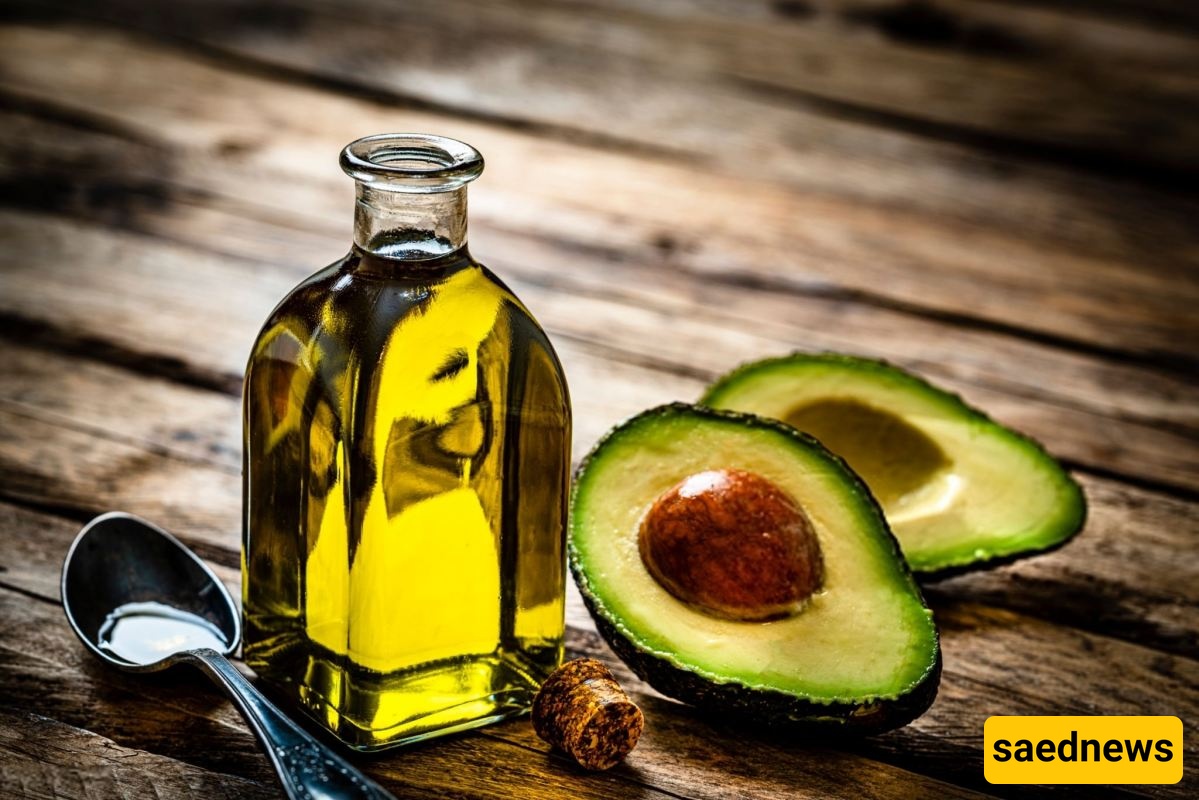
Avocado oil is rich in fatty acids and contains vitamins and other beneficial compounds. Its rich texture makes it especially suitable for dry and damaged skin.
It may help soften the skin, support moisture retention, and provide antioxidant and anti-inflammatory benefits. Because it is heavier than some other oils, it may be particularly useful for areas with severe dryness.
To get the best results, use plant oils properly and consistently.
The best time to apply an oil or moisturizer is shortly after bathing, while the skin is still slightly damp. Gently pat the skin with a soft towel without rubbing it completely dry, then apply the product to help trap moisture.
Apply enough oil to lightly cover the affected area. A thin layer is usually sufficient, although very dry skin may require more.
Massage the oil into the skin using gentle movements. Avoid vigorous rubbing, as this may further irritate sensitive or inflamed skin.
Eczema management requires regular care. Consistent moisturizing is generally more important than expecting immediate results from any single product.

Perform a patch test: Before using a new oil, apply a small amount to a small area of skin and wait to see whether irritation or an allergic reaction develops.
Choose fragrance-free products: Pure, fragrance-free products with minimal ingredients are generally preferable for sensitive, eczema-prone skin.
Use olive oil cautiously: Some research suggests that olive oil may negatively affect the skin barrier in certain individuals, particularly because of its high oleic acid content.
Be cautious with oral supplements: Oils such as evening primrose and borage oil should not automatically be taken as supplements for eczema. Speak with a healthcare professional before using them orally.
Do not replace prescribed treatment: Natural oils are supportive skincare products and should not replace medical treatments prescribed for eczema.
Watch for signs of infection: If the skin develops yellow discharge, increasing pain, significant crusting, swelling, or other signs of infection, seek medical attention promptly rather than relying on oils alone.
There is no single best oil for eczema that works equally well for everyone. Each person's skin can respond differently. However, virgin coconut oil, sunflower seed oil, and jojoba oil are among the commonly used options for supporting dry, eczema-prone skin and helping maintain the skin's protective barrier.
The most important approach is to choose a gentle, fragrance-free product and introduce it carefully to determine how your skin responds. Natural oils may help relieve dryness and support overall skin comfort, but they work best as part of a broader eczema management routine.
Regular moisturizing, avoiding personal triggers, managing stress, and following appropriate medical advice can all play an important role in keeping eczema under control and improving overall quality of life.