SAEDNEWS: Teaching teenagers how to plan helps them manage responsibilities, organize their time, and work toward goals with greater confidence. Simple routines, realistic goals, and consistent guidance can gradually turn planning into a useful daily habit.
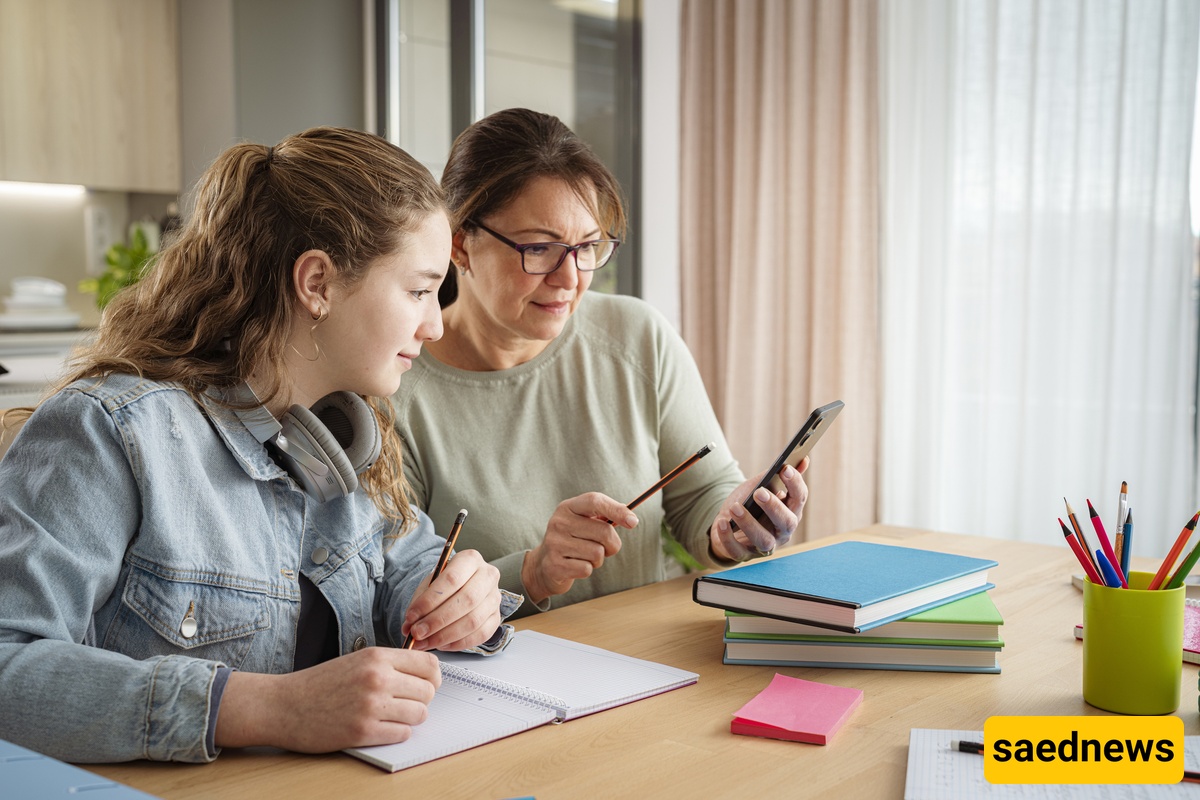
According to SAEDNEWS, teenagers can learn planning more effectively when they begin with small and manageable tasks. Parents and educators can encourage them to write down schoolwork, household responsibilities, personal goals, and important activities. A simple daily or weekly schedule can make responsibilities easier to understand without creating unnecessary pressure.
Goal setting is an important part of effective planning. Teenagers should learn to divide larger goals into smaller steps that can be completed gradually. For example, instead of planning to complete a large assignment at once, they can decide when to research, write, review, and finish it. Realistic goals also help teenagers recognize their progress and stay motivated.
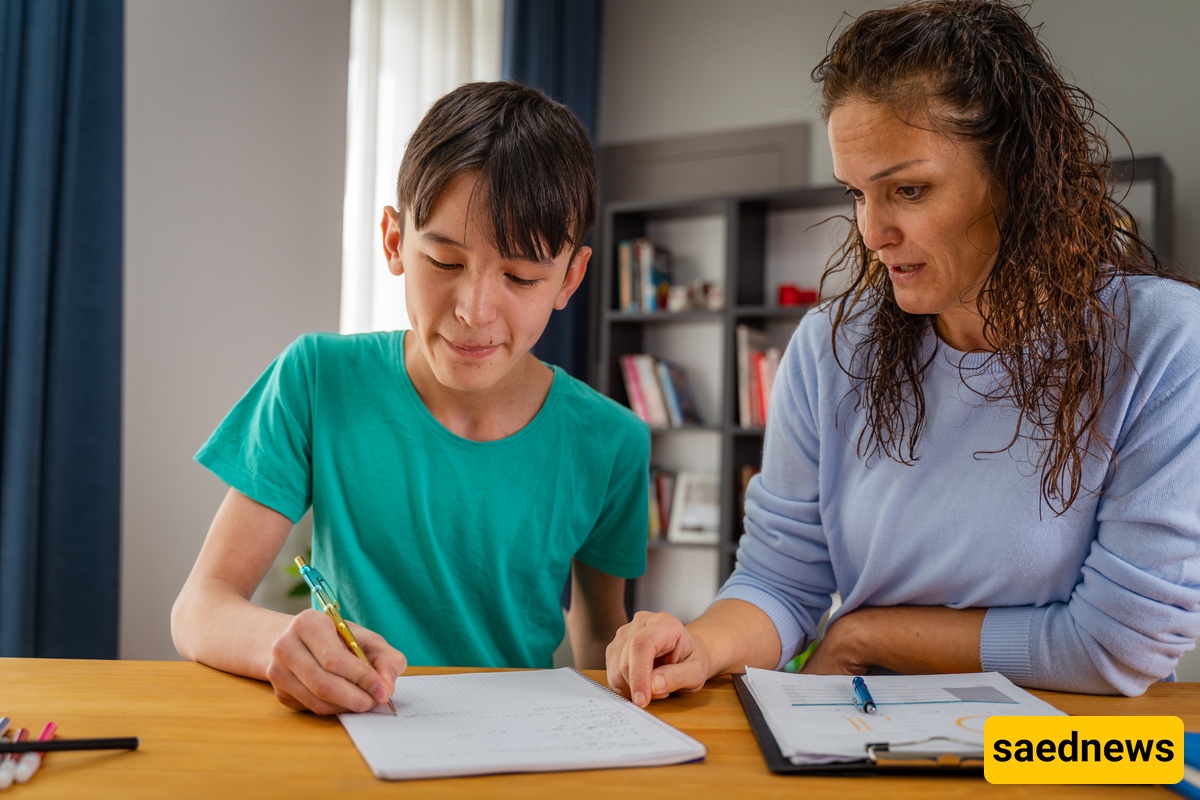
Not every task has the same level of importance. Teenagers can be taught to identify urgent and important responsibilities before less important activities. Creating a short priority list each morning or evening can help them decide where to focus their attention first. This skill can also reduce last-minute stress.
Planning becomes more useful when teenagers understand how much time different activities require. They can estimate the time needed for studying, rest, family responsibilities, exercise, and other daily activities. Leaving some flexible time in the schedule is also important because unexpected tasks may arise.
Adults can provide guidance without controlling every detail. Giving teenagers opportunities to create their own schedules allows them to practice decision-making and learn from their experiences. If a plan does not work, they can review what happened and make adjustments rather than viewing the experience as a failure.
Planning skills develop through regular practice. A short weekly review can help teenagers examine completed tasks, unfinished responsibilities, and upcoming priorities. With patience and encouragement, planning can become a natural part of their routine and help them become more organized, responsible, and prepared for future challenges.