SAEDNEWS: Salt is an essential part of the human diet, but consuming too much of it can have serious effects on overall health. Understanding how excessive salt intake affects the body can help people make healthier food choices and reduce the risk of long-term health problems.
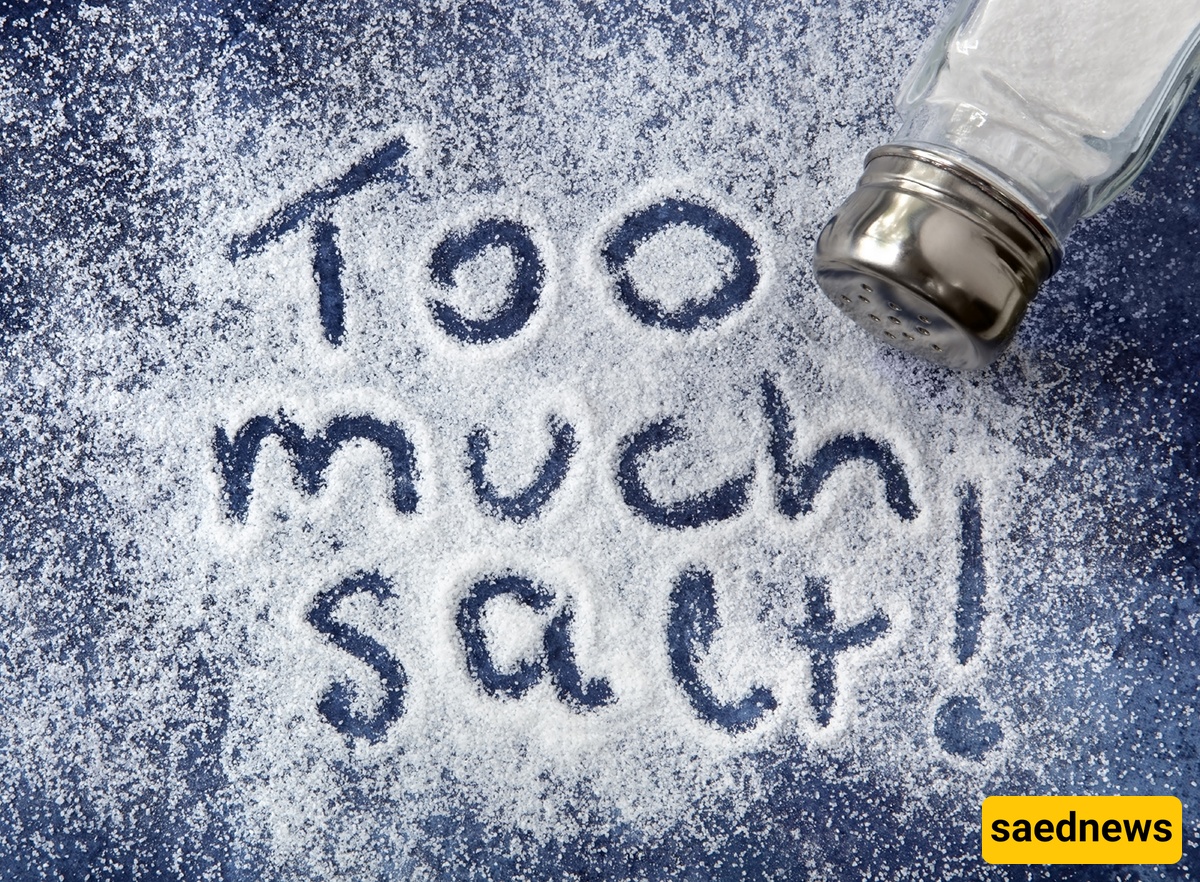
According to SAEDNEWS, Salt contains sodium, a mineral that plays an important role in maintaining fluid balance, supporting nerve function, and helping muscles work properly. The body only needs a small amount of sodium each day to perform these essential functions. Most people can easily meet this requirement through a balanced diet without adding excessive amounts of salt to their meals.
Consuming too much salt can cause the body to retain extra water, placing additional strain on the heart and blood vessels. Over time, this may increase blood pressure, making the heart work harder than necessary. High blood pressure is one of the leading risk factors for serious health conditions, including heart disease and stroke.
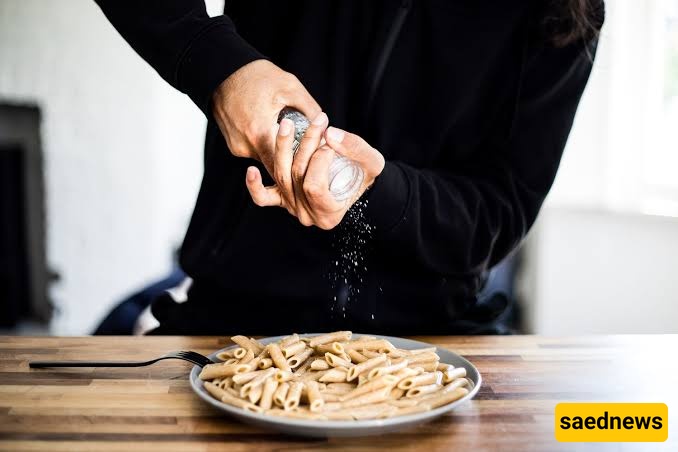
Many people believe that the salt they sprinkle on food is their main source of sodium, but processed and packaged foods often contain much larger amounts. Bread, sauces, canned products, snacks, and ready-made meals may all contribute significant levels of salt. Reading nutrition labels and preparing more meals at home can help reduce unnecessary sodium intake.
Lowering salt consumption does not mean sacrificing flavor. Fresh herbs, garlic, lemon juice, black pepper, and natural spices can add taste without increasing sodium. Choosing fresh fruits, vegetables, whole grains, and freshly prepared meals also helps limit hidden salt while supporting a healthier diet.
Reducing salt intake gradually allows the taste buds to adjust over time, making less salty foods more enjoyable. Drinking enough water, eating a balanced diet, and paying attention to food labels can make a meaningful difference. Small daily changes can help protect heart health and contribute to better overall well-being for years to come.