SAEDNEWS: Arsenic is an extremely toxic element. Throughout history, people have been exposed to it, sometimes knowingly and sometimes without realizing it. Today, the problem appears to be getting worse, as arsenic is increasingly finding its way into the foods people eat—particularly rice.
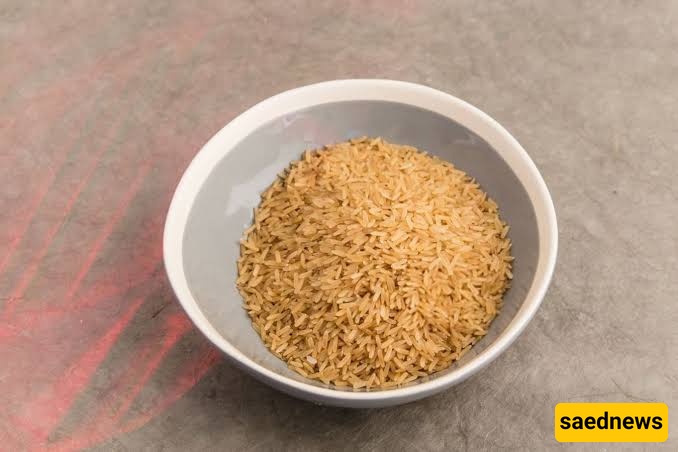
According to Saednews, Throughout history, arsenic has entered our food chain and found its way into many of the foods we consume. However, the situation today is more concerning than it was in the past.
The increasing spread of various forms of environmental pollution has contributed to higher levels of arsenic in food, creating potentially serious and irreversible health risks.
Recent studies have shown that rice can contain significant amounts of arsenic. This is particularly concerning because rice is a major staple food for a large portion of the world's population.
So, should we be concerned about the arsenic found in rice? Let's take a closer look.
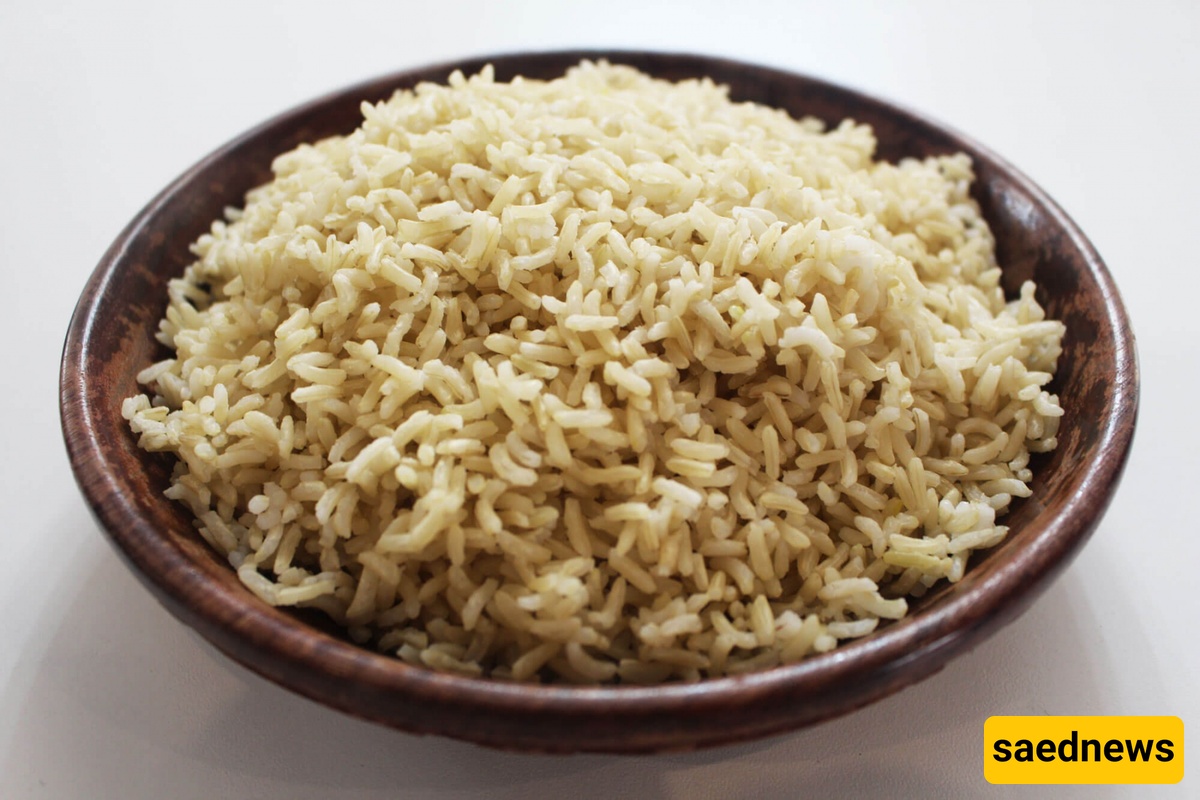
Arsenic is a naturally occurring toxic element represented by the chemical symbol As. It is rarely found on its own and usually occurs in combination with other elements in specific chemical compounds.
Arsenic compounds are generally divided into two main categories:
Organic arsenic: Primarily found in plants and animals.
Inorganic arsenic: Found in rocks and soil and can enter water supplies. This form is generally more toxic.
Both forms occur naturally in the environment, although environmental pollution can significantly increase their levels.
For several reasons, rice can absorb considerable amounts of inorganic arsenic from its surrounding environment and accumulate it in its grains.
Arsenic can be found in almost all foods and beverages, although usually in very small amounts.
Some foods and beverages, however, can contain substantially higher levels of arsenic.
Millions of people around the world are exposed to drinking water containing elevated levels of inorganic arsenic. This is particularly common in parts of Asia and South America.
Fish, shrimp, shellfish, and other seafood can contain significant amounts of organic arsenic, which is generally considered less toxic than inorganic arsenic. However, some shellfish and other seafood can also contain inorganic arsenic.
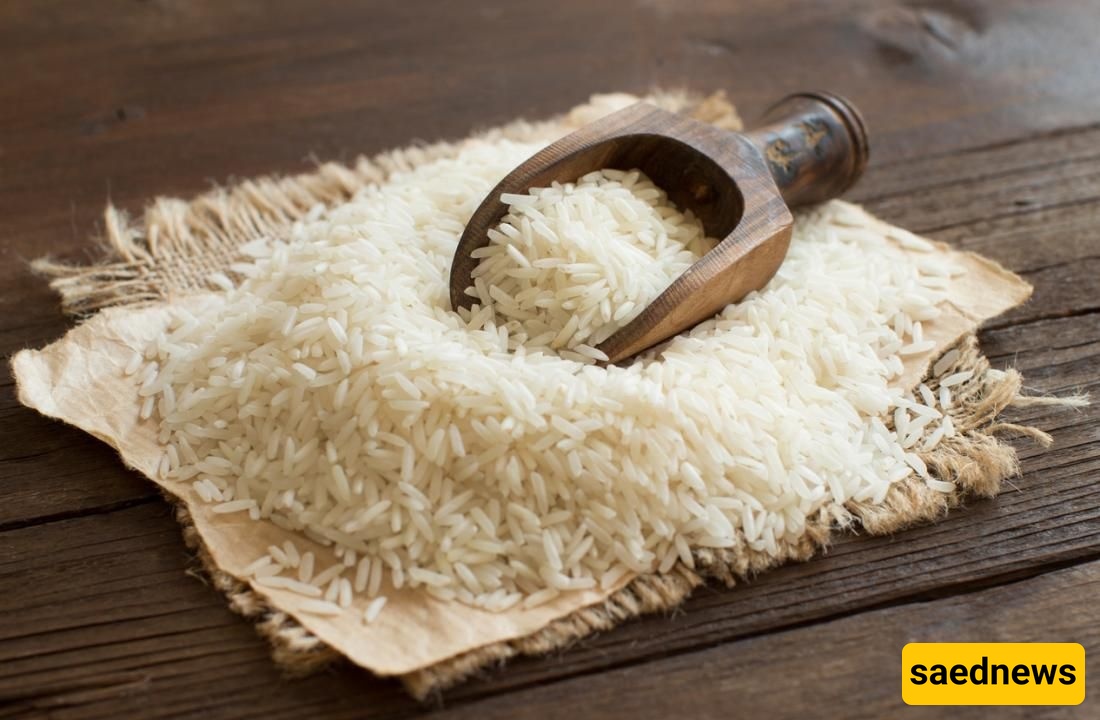
Rice can accumulate more arsenic than many other food crops. In particular, rice is considered an important dietary source of inorganic arsenic.
Rice-based foods that may contain significant amounts of inorganic arsenic include:
Rice milk
Rice bran
Rice-based breakfast cereals
Infant rice cereal
Rice cakes
Brown rice syrup
Cereal bars and other foods made with rice syrup or brown rice
Arsenic naturally occurs in water, soil, and rocks, but its concentration varies considerably from one region to another.
It can enter the food chain relatively easily and accumulate in plant and animal tissues, eventually reaching the human diet.
Human activities that increase environmental pollution can further increase arsenic levels in food. Major sources include certain pesticides and herbicides, wood preservatives, phosphate fertilizers, industrial waste, mining activities, coal combustion, and some industrial treatment processes.
Arsenic can also enter groundwater in heavily contaminated areas. From groundwater, it can reach wells and other water sources used to irrigate crops and prepare food.
Unmilled rice is particularly susceptible to arsenic contamination for several reasons:
Rice is commonly grown in flooded fields. In some regions, these fields are irrigated with water contaminated with arsenic.
Arsenic can accumulate in agricultural soil. This can make contamination more persistent and difficult to control.
Rice absorbs arsenic more efficiently than many other crops. Both soil and irrigation water can therefore contribute to arsenic accumulation.
Using contaminated water for cooking is another concern. Rice grains can absorb arsenic from the water in which they are cooked.
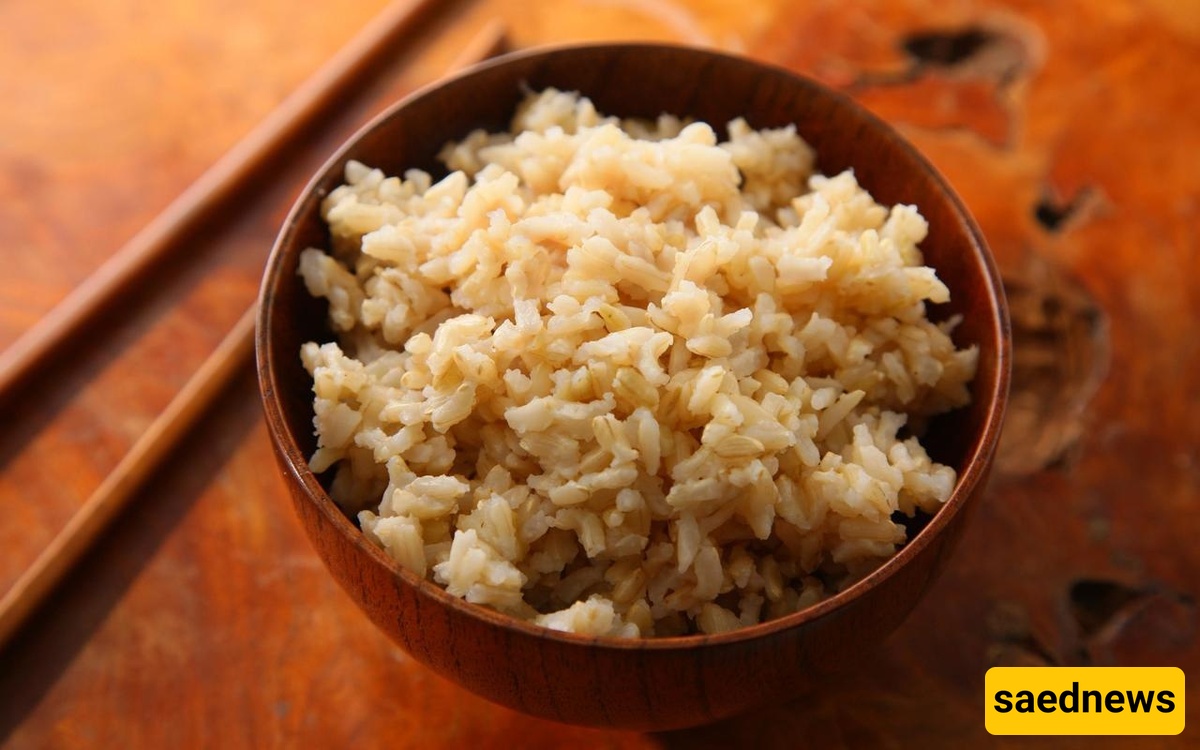
Large amounts of arsenic are clearly toxic. Severe exposure can cause serious health effects and, in some cases, can be fatal.
Although the amount of arsenic found in individual foods may be relatively small, repeated exposure over a long period can contribute to health problems and increase the risk of chronic disease.
Long-term arsenic exposure has been associated with:
Various types of cancer
Narrowing or blockage of blood vessels
High blood pressure
Cardiovascular disease
Type 2 diabetes
Arsenic can also affect the nervous system and interfere with brain function. In children and adolescents, exposure has been associated with difficulties involving concentration, learning, memory, cognitive development, and social skills.
Exposure during pregnancy may also be a concern. Some studies suggest that high levels of arsenic exposure during pregnancy can adversely affect fetal development, increase the risk of adverse birth outcomes, and interfere with normal growth.
Yes, arsenic exposure from rice deserves attention, particularly among people who consume large amounts of rice every day.
This may be especially relevant for people whose diets are heavily based on rice and for children who consume large quantities of rice-based products.
Children may be more vulnerable to arsenic exposure because of their smaller body size and developing bodies. Therefore, relying heavily on rice cereal as a daily staple is not ideal.
Another concern involves brown rice syrup and other concentrated rice-based sweeteners, which can contain elevated levels of arsenic and may be used in some infant foods.
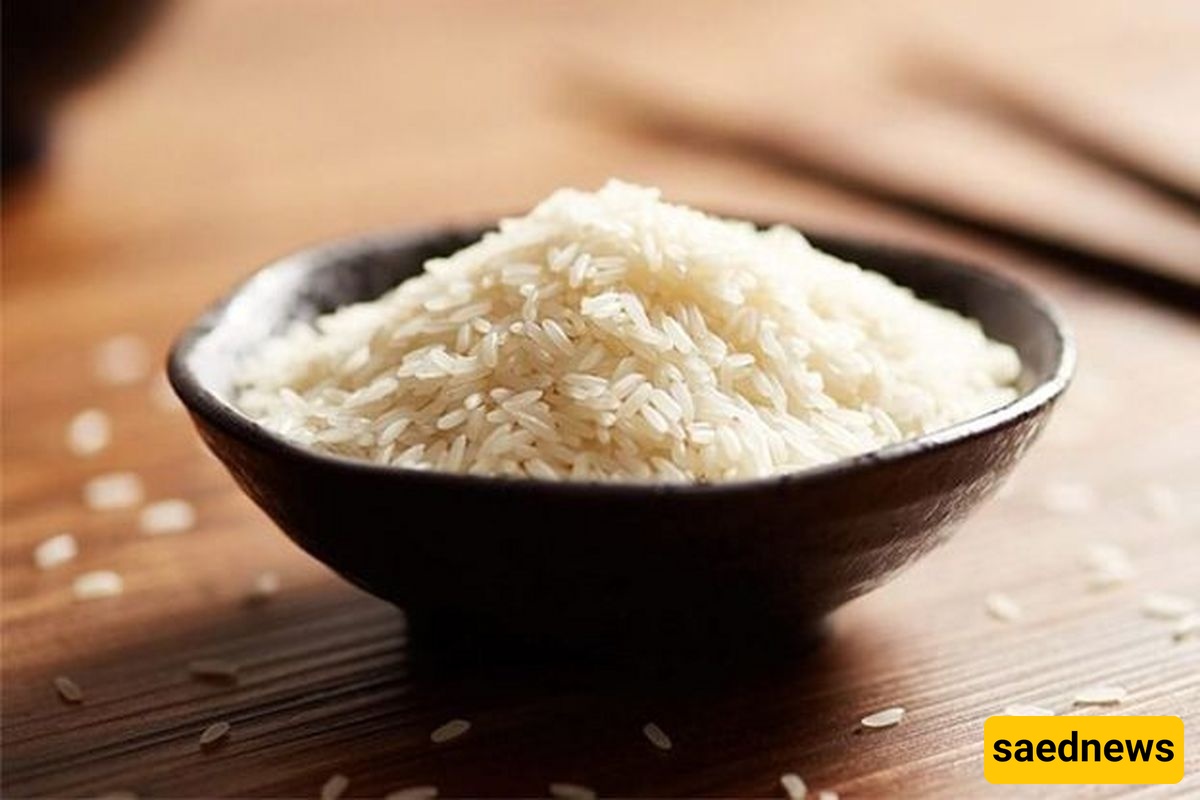
However, arsenic levels vary considerably between different types and sources of rice. The exact arsenic concentration of a particular rice product cannot reliably be determined without laboratory testing.
The amount of arsenic in rice can be reduced by thoroughly washing the rice and cooking it with clean water that is low in arsenic.
Washing and cooking rice properly can substantially reduce its arsenic content. However, if the cooking water itself contains arsenic, the opposite can happen: the rice may absorb additional arsenic during cooking.

Wash rice thoroughly before cooking. Rinsing can remove a portion of the arsenic present on the surface of the grains.
Use plenty of clean water when cooking rice. Cooking methods that use excess water and then drain it can reduce inorganic arsenic levels more effectively than methods that allow the rice to absorb all the cooking water.
Vary the types of rice and grains you eat. Brown rice can contain more arsenic than white rice because arsenic tends to accumulate in the outer layers of the grain.
Consider aromatic varieties such as basmati or jasmine rice.
Choose rice from regions with relatively low arsenic levels when reliable information about its origin is available.
Avoid relying heavily on rice grown in areas known to have arsenic-contaminated irrigation water.
Most importantly, maintain a varied diet. Your diet should not depend heavily on one or two foods.
A varied diet not only helps provide the body with a broader range of essential nutrients, but it also reduces the risk of excessive exposure to any potentially harmful substance concentrated in a particular food.

Rice is a staple food for a significant portion of the world's population, meaning that millions of people may be exposed to arsenic through their diets.
For most people, there is no need to eliminate rice completely. Eating rice in moderation as part of a varied and balanced diet can be a reasonable approach.
However, if rice makes up a very large proportion of your diet, it is worth paying attention to the type and source of rice you consume and avoiding dependence on a single food as a dietary staple.