SAEDNEWS: In this article, we will explore disorders, syndromes, and phenomena that cause people to look different from the majority, with the hope that understanding these conditions will encourage everyone to avoid treating anyone differently because of their physical appearance.
According to Saednews, If you are completely honest with yourself, do you agree with the statement that all human beings are beautiful? When we look at beauty standards throughout history — or even within the same era but across different cultures and locations — we quickly realize that many people considered unattractive or unusual in one society may be regarded as extremely beautiful somewhere else and at another time.
You may have seen historical photographs of the daughters of Naser al-Din Shah Qajar and other women admired for their appearance and body shape during that period. Such examples show how much beauty standards can change.
Another fascinating aspect of beauty is that certain physical traits, conditions, and even visible differences may be interpreted very differently depending on the culture and time period. For example, the popular feature known today as dimples is actually caused by a small anatomical variation, and in some periods people attempted various methods to remove similar features they considered imperfections.
In this article, we explore rare conditions, syndromes, and natural variations that make some people look different from the majority — with the hope that understanding these differences encourages acceptance and reminds us that unusual appearances are not something to judge.
Poliosis is a condition in which a section or patch of hair loses its natural pigment and becomes white, creating a noticeable contrast with the person's original hair color.
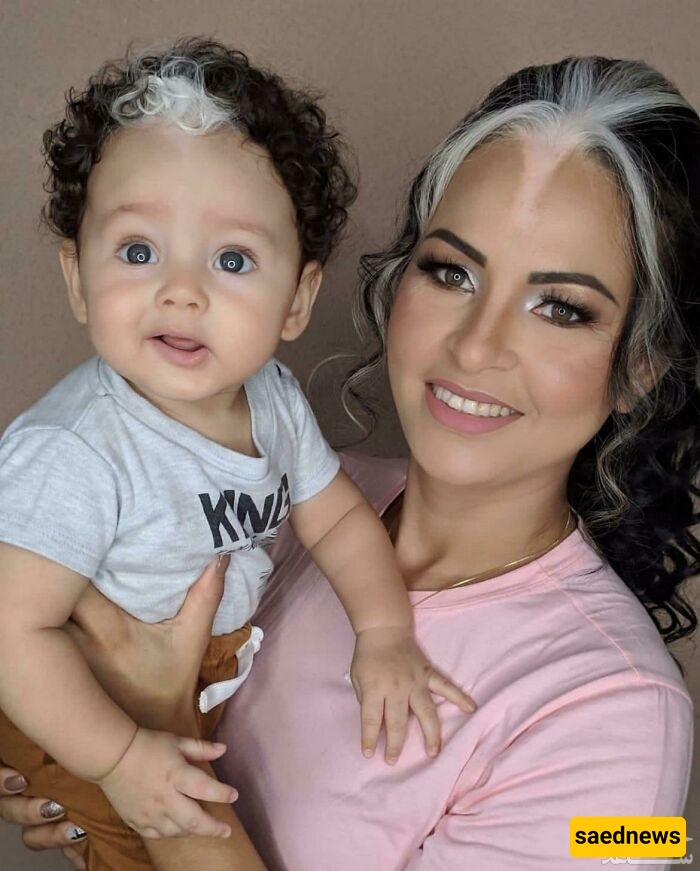
This phenomenon can occur not only on the scalp but also in hair anywhere on the body, such as the eyebrows. In some cases, it may also be associated with changes in skin pigmentation.
A mother and child shown in this image both have poliosis. As you can see, the condition does not reduce their beauty in any way.
Poliosis itself is usually harmless and does not cause damage. However, in certain situations, it may be linked to other medical conditions, including thyroid disorders or rare forms of skin cancer.
The person who shared this image explained:
“My father's thumb has a unique condition that appears to be called Bifid Thumb or Pre-Axial Polydactyly. As you can see, it looks different from a typical thumb. My father took this photo after discovering that his Uber driver had exactly the same condition. Apparently, both men were very happy about this unexpected connection.”

Statistics suggest that approximately one out of every 1,000 babies is born with this condition.
Vitiligo is a long-term skin condition in which areas of the body lose pigment due to reduced melanin production, creating pale or white patches.
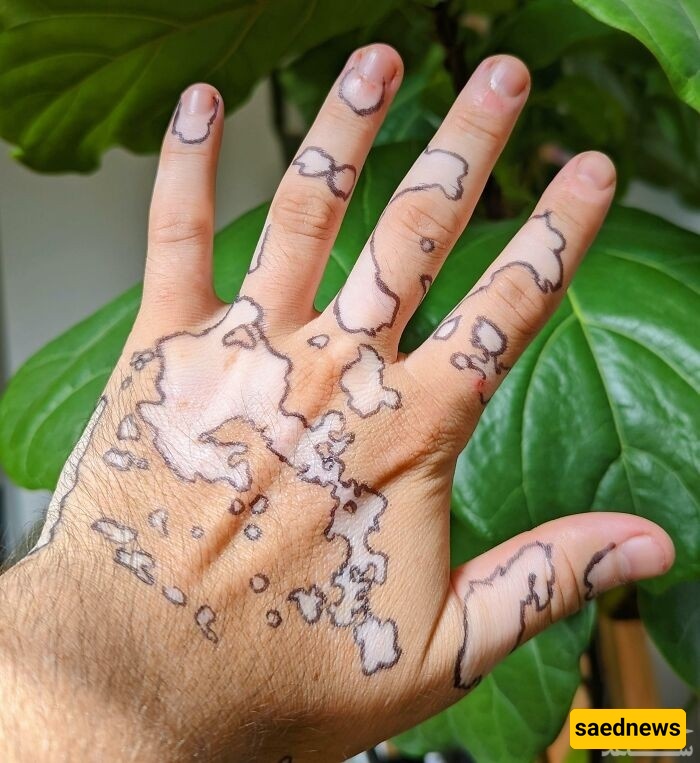
It can appear anywhere on the body but commonly affects the face. There is currently no complete cure, and factors such as stress or cold temperatures may make symptoms more noticeable.
The person who posted this image outlined the lighter areas of their skin and noticed that the pattern looked surprisingly similar to a world map.
Vitiligo affects approximately 5 to 10 people out of every 1,000 worldwide.
Axenfeld–Rieger syndrome refers to a group of rare disorders that affect the development and structure of the eyes.
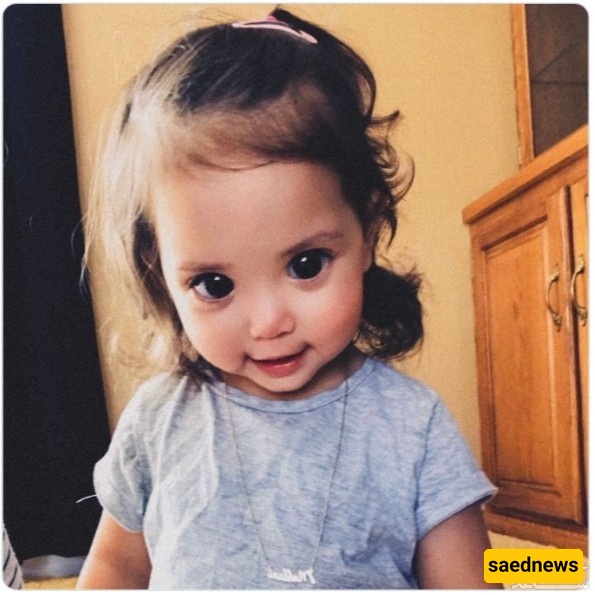
People with this syndrome may have unusually large eyes, irregularly shaped pupils, or pupils that are not positioned exactly in the center of the eye.
A mother of a young girl with the condition shared:
“Today, for the hundredth time, a stranger approached us and complimented my daughter's beautiful, large eyes. For the thousandth time, I wondered whether I should explain her condition or simply say thank you.”
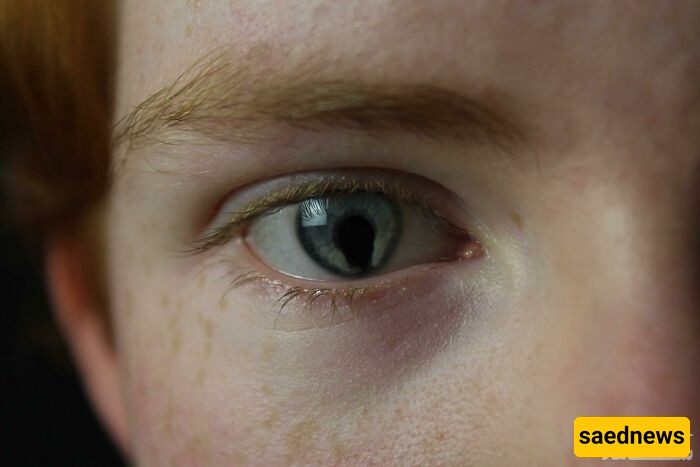
Only about one in 50,000 children is affected by this syndrome.
Heterochromia is a condition in which a person's eyes have more than one color.
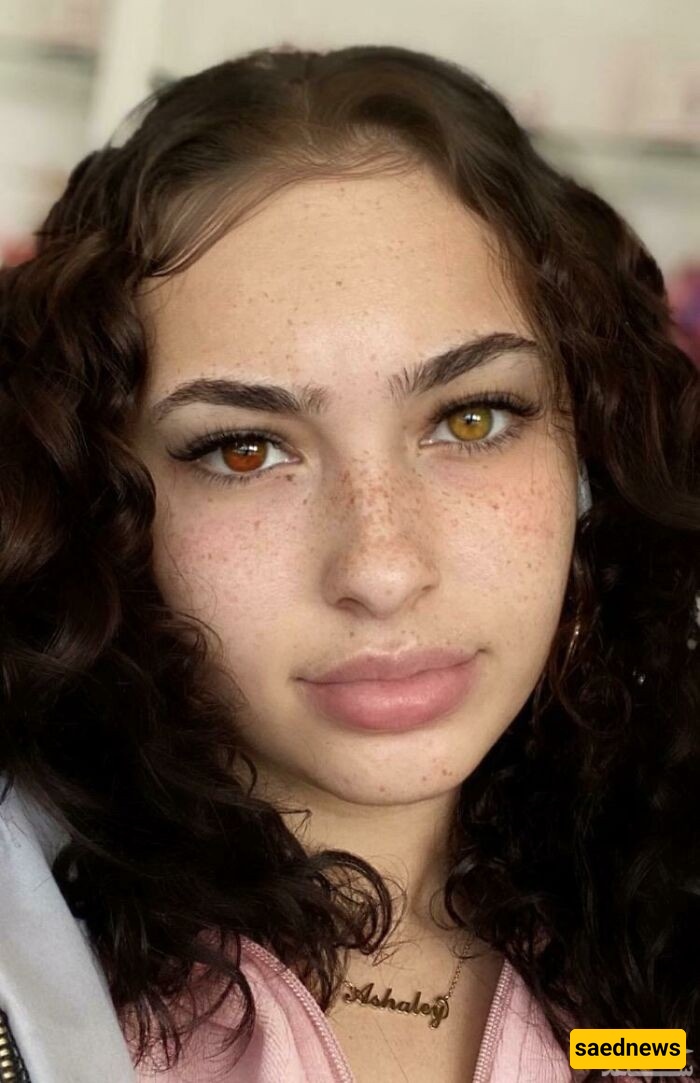
It can appear in different ways:
Complete heterochromia: each eye has a different color.
Partial heterochromia: one eye contains multiple colors.
Many people consider this rare trait visually striking and unique.
Anonychia congenita is an extremely rare condition in which a person is born without fingernails or toenails.
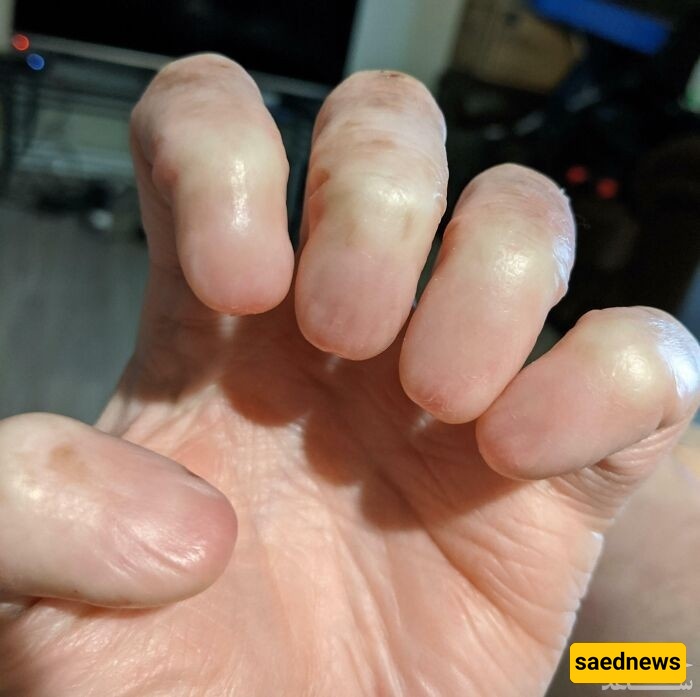
Individuals with this condition do not develop nails on their fingers or toes throughout their lives.
Waardenburg syndrome is a genetic condition caused by mutations that can affect eye spacing, pigmentation, and hearing.
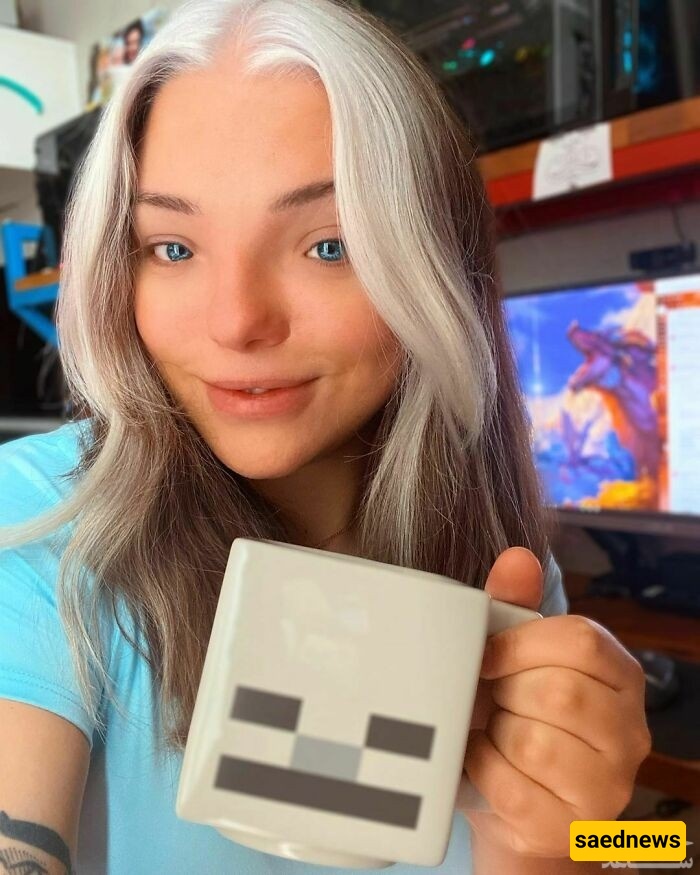
One characteristic may be a wider distance between the eyes than usual.
The syndrome is extremely rare, affecting approximately one in 40,000 children.
The person shown in the image is Stef Sanjati, a video blogger and online personality.
Her condition has contributed to her distinctive appearance and helped her become recognizable in her profession.
Dermatographia, also known as “skin writing,” is a condition where the skin reacts strongly to touch, scratching, or pressure.
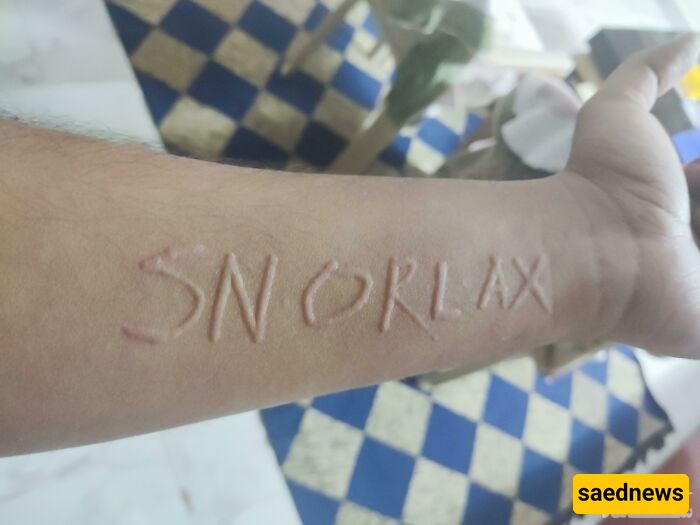
The reaction may include:
Redness
Swelling
Raised marks on the skin
Although it is not dangerous, it can make daily life uncomfortable for some people.
Dermatographia is relatively common, affecting around 2–5% of people worldwide.
Besides affecting eye spacing, Waardenburg syndrome can also cause differences in pigmentation of the hair, skin, and eyes.
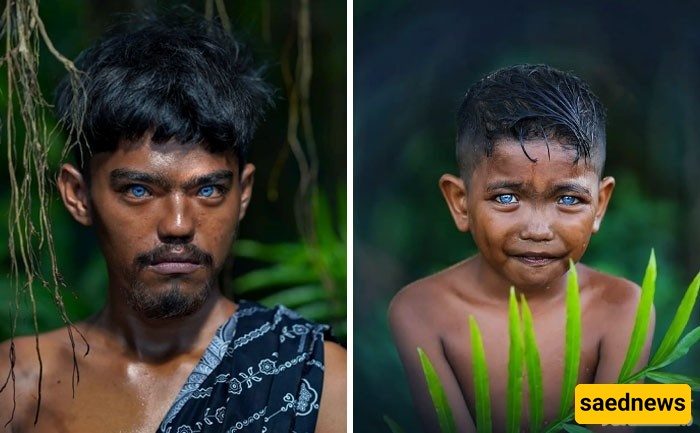
In some cases, it creates unusual eye colors that many people describe as captivating or mesmerizing.
However, the most common medical feature associated with this syndrome is hearing loss. Researchers estimate that Waardenburg syndrome contributes to around 2–5% of cases of congenital deafness.
Hypertrichosis is an extremely rare genetic condition that affects hair growth.
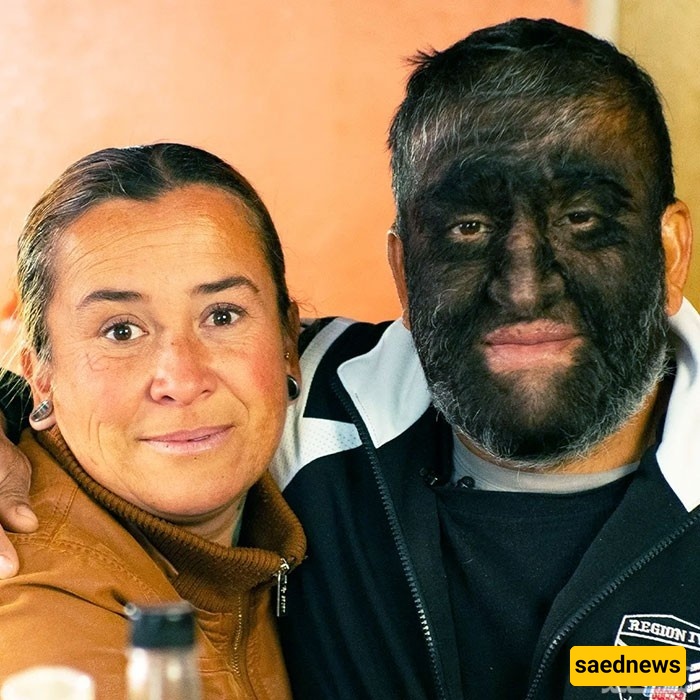
It can cause excessive hair growth anywhere on the body, including the face.
The condition is exceptionally rare. Fewer than 50 confirmed cases have been documented worldwide, with estimated occurrence ranging from one in a billion to one in ten billion people.
The person on the right side of the image is named Jesus. He was born with hypertrichosis, causing continuous hair growth on his face.
Skeeter syndrome is a condition in which the body has an unusually strong allergic reaction to mosquito bites.
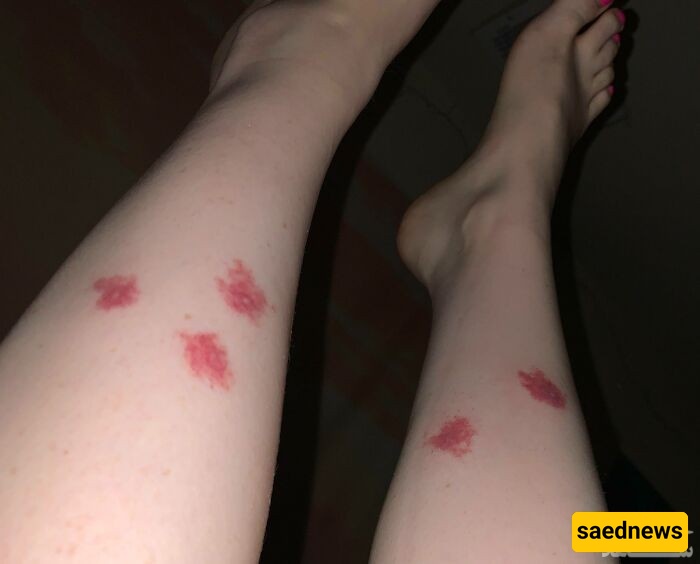
Affected individuals may experience:
Severe swelling
Pain
Redness
Intense itching
In some cases, these symptoms can remain for weeks after a mosquito bite.
The image shows the legs of a person with Skeeter syndrome. The red marks represent areas where mosquito bites caused a strong reaction.
Although it can occur at any age and may be associated with immune sensitivity, Skeeter syndrome is considered rare.
Human appearance comes in countless forms. Genetic variations, rare conditions, and unusual physical traits do not reduce a person's value or beauty. In many cases, the very differences that make someone stand out become the features that make them unforgettable.