SAEDNEWS: In this article, we will introduce the calories and nutritional value of mung bean sprouts and explain their benefits.
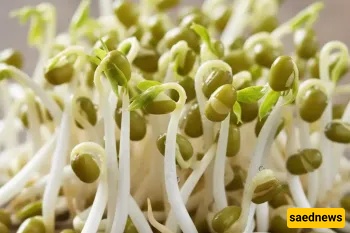
According to Saednews, Mung bean sprouts are obtained from mung beans. This food is a rich source of fiber, various vitamins, minerals such as iron, copper, calcium, as well as folic acid, thiamine, and more.
For this reason, both traditional and modern medicine recommend consuming these nutritious sprouts to help with digestive issues, strengthen the immune system, improve blood circulation, treat fatty liver, reduce fatigue, support weight loss, and help with anemia.
In this article, we will introduce the calories and nutritional value of mung bean sprouts.
Calories and nutritional value of mung bean sprouts
Every 100 grams of mung bean sprouts contains 54 calories.
Nutritional value per 100 g:
Carbohydrates: 5.9 g
Protein: 3 g
Fat: 2 g
Fiber: 2 g
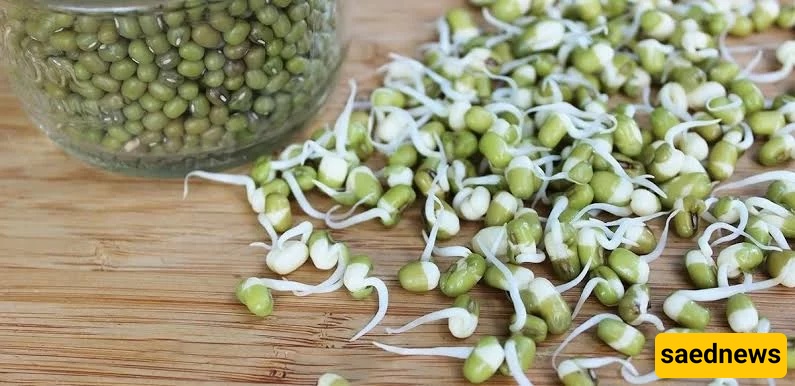
To burn the calories from mung bean sprouts, you may need to perform the following activities:
7 minutes of cycling
5 minutes of running
15 minutes of walking
13 minutes of cleaning
Due to their rich composition, mung bean sprouts have many therapeutic properties:
Antioxidants and vitamin C in mung bean sprouts help maintain heart health. Regular consumption may help prevent the progression of atherosclerosis and reduce the risk of stroke and heart attack.
Their fiber content also helps stabilize blood pressure and reduce cardiovascular risks.
These sprouts are rich in vitamin K, which helps reduce the risk of fractures and osteoporosis. Vitamin C also contributes to maintaining strong and healthy bones.
Vitamin C helps prevent macular degeneration. B vitamins may help prevent cataracts and support overall vision health.
Stress can lead to depression, weakened immunity, headaches, digestive problems, muscle tension, insomnia, and more. Nutrients such as vitamin C, zinc, and magnesium in mung bean sprouts may help balance mood and reduce stress.
Mung bean sprouts are rich in iron and vitamin C. Vitamin C acts as an antioxidant that fights free radicals and protects immune cells, thereby strengthening immunity.
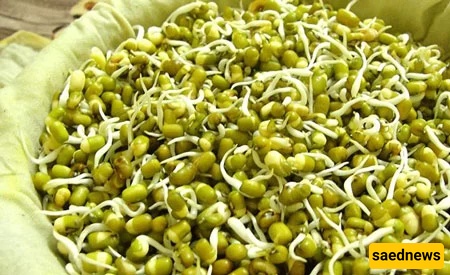
Regular consumption is beneficial for weight loss because they are low in calories. (Some sources mention about 31 calories per 100 g.)
They are also rich in dietary fiber, helping you feel full for longer and reducing appetite.
Regular consumption supports digestive health. Fiber acts as a natural laxative, improving bowel movement and reducing constipation, abdominal pain, IBS, gas, and bloating.
Antioxidants such as vitamin C, bioflavonoids, phytonutrients, and polyphenols help protect the digestive system from oxidative damage and may reduce the risk of gastrointestinal cancers.
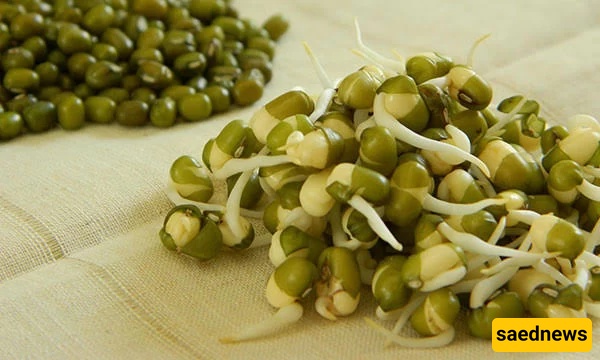
The iron content helps increase blood circulation by supporting hemoglobin production in red blood cells. Hemoglobin carries oxygen throughout the body.