SAEDNEWS: Early marriage refers to a formal or informal union in which an individual enters into a marital contract before reaching 18 years of age.

According to the Saed News Psychology Service, the term “child marriage” is generally used to describe situations in which underage girls are married to adult men due to cultural traditions or the economic hardships of their families.
In many legal systems, early marriage may be permitted with parental consent or in special cases such as teenage pregnancy. Laws concerning the age of consent (the age at which a person, typically a girl, is legally considered capable of consenting to sexual relations) are designed to protect children from sexual exploitation and trafficking. These laws are also partly related to the issue of child marriage.
Child marriage has negative effects on both boys and girls, although the vast majority of those affected are girls, many of whom come from low socio-economic backgrounds.

Lack of experience: Many adolescent girls have not yet reached full mental, emotional, cultural, social, or economic maturity. As a result, they may lack essential skills needed for a successful life partnership.
Family interference: When spouses are very young, there is often greater interference from families, which may be intended as guidance but can sometimes become excessive control.
School dropout and educational decline: In many cases, married students are forced to abandon or interrupt their education due to work responsibilities and household duties.
Hopelessness in young men: Young men who marry early may experience feelings of frustration and loss when comparing their situation with unmarried peers, leading to dissatisfaction with their married life.

Regret after marriage: Early marriage can lead to regret, especially among men, as individuals may not yet have reached emotional stability or made fully informed decisions. Over time, changing perspectives and personal growth may lead to dissatisfaction and reconsideration of their early choices.
Early pregnancy and related risks: In some families, there is social pressure for a woman to become pregnant soon after marriage. When marriage occurs at a young age, this can lead to physical and psychological difficulties during pregnancy and childbirth, including increased risks of complications, miscarriage, or developmental issues in children.
Currently, there are three conditions under which marriage for girls under 13 and boys under 15 may be permitted, though many experts consider this approach unreasonable. These conditions are:
Permission of the child’s guardian
Consideration of the child’s best interests
Approval of a court
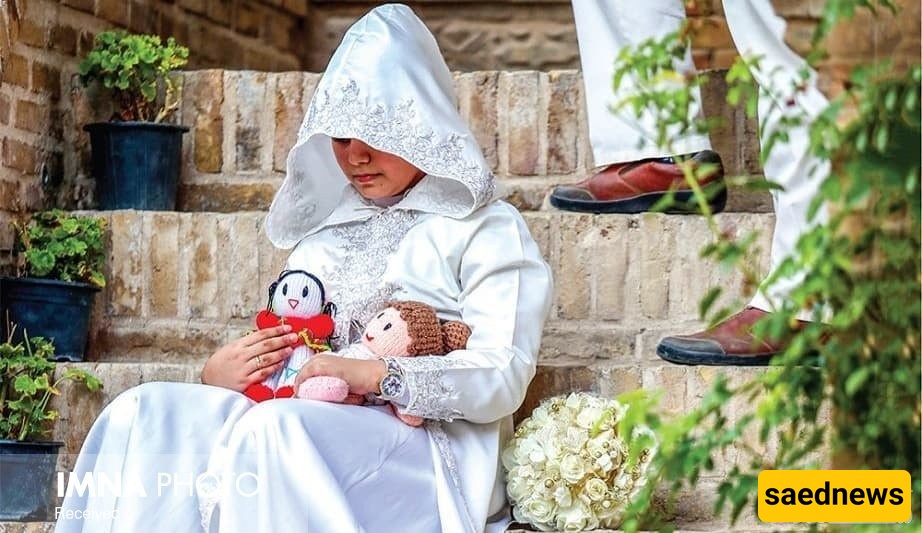
In practice, amendments to Article 1041 of the Civil Code (introduced in 2002) expanded exceptions related to child marriage. Despite significant social changes and a rising average age of marriage, this law has remained unchanged for years.
As a result, critics argue that the legal framework continues to allow child marriage under certain conditions, raising concerns about whether a child—who has not yet experienced childhood fully—can truly be considered ready for marriage.