Saed News: A new study by scientists from universities in the United Kingdom and Singapore shows that the biological age of the retina may help predict osteoporosis.
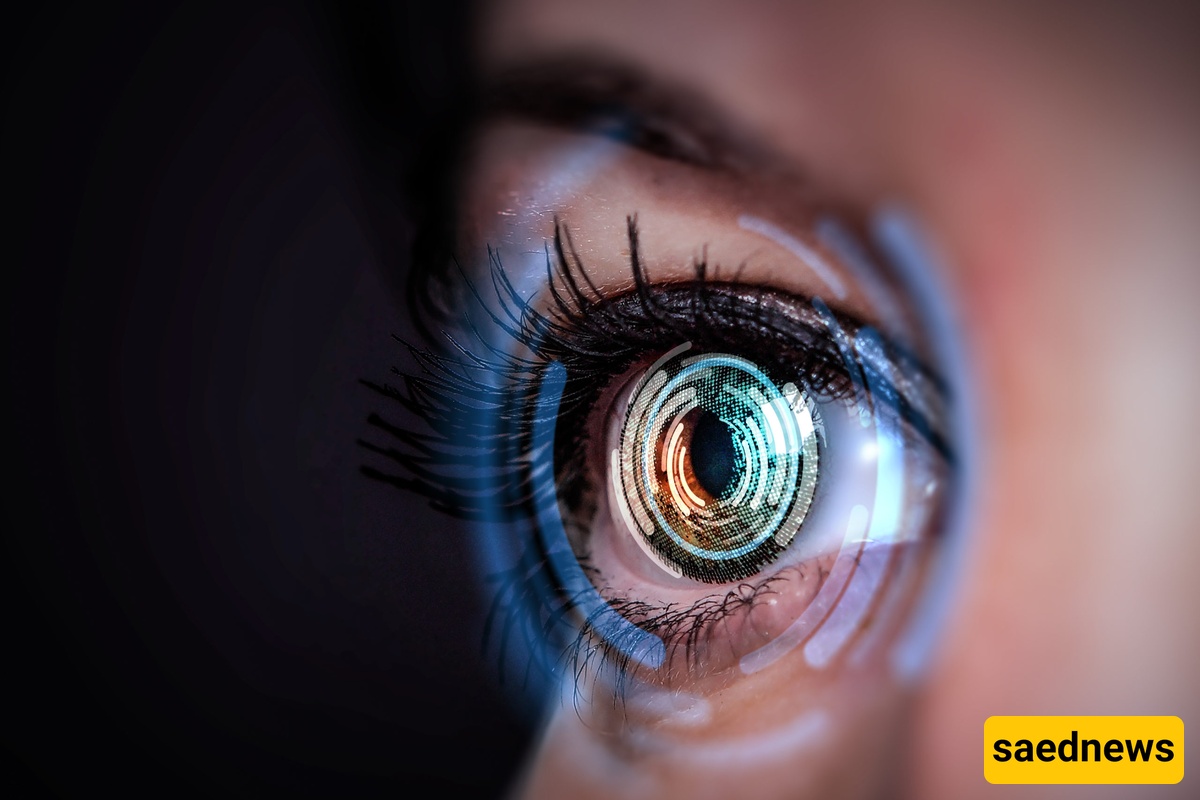
According to SAEDNEWS, the eyes are high-resolution biological systems that help us visualize the external world. They are now being used as a window to assess our internal health. Scientists have found that a more precise evaluation of how the retina ages can provide important insights into bone health, especially in diseases such as osteoporosis, which weakens bones and makes them more prone to fractures.
According to MedicalXpress, in a new study conducted in Singapore and the United Kingdom, researchers collected more than 45,000 retinal images and used an artificial intelligence model called “RetiAGE” to estimate the biological age of the retina. When researchers compared retinal age with bone mineral density, they found an inverse relationship between the two.
Among participants in Singapore, those with older-appearing retinas showed lower bone mineral density and a higher risk of bone fractures. In UK participants who were followed for more than a decade, a higher biological retinal age at the beginning of the study predicted an increased likelihood of developing osteoporosis by the end.
Osteoporosis is a degenerative bone disease that leads to loss of bone mass and density and also alters the internal structure that gives bones strength. Over time, these changes lead to weakened bones that become more susceptible to fractures. Today, one in five people live with osteoporosis, and the risk increases significantly with age.
Statistics from the International Osteoporosis Foundation highlight the severe impact of osteoporosis on both individuals and healthcare systems worldwide. Hip fractures caused by osteoporosis are among the most dangerous outcomes. In these cases, the one-year mortality rate reaches 20–24 percent. The impact is also severe among survivors. Nearly 40 percent lose their ability to walk independently, and one in three becomes fully dependent on nursing home care within a year.
Despite its severity, the disease is still significantly underdiagnosed because many people remain symptom-free until they experience their first fracture. Diagnosis today largely relies on measuring bone mineral density through DEXA scans, which are often expensive and not widely accessible.
Researchers in this project aimed to find a non-invasive method for predicting osteoporosis risk, which led them to study the retina. It was previously shown that the retina can reveal clues about several diseases, including cardiovascular and kidney conditions. Researchers collected data from two large participant groups to examine whether the retina could reflect bone health status.