SAEDNEWS: Gomphrena is an annual plant native to Panama and Guatemala in Central America. It is a good choice for hot and dry regions. This plant is also attractive to butterflies. After drying, its flowers retain their shape and largely preserve their color.
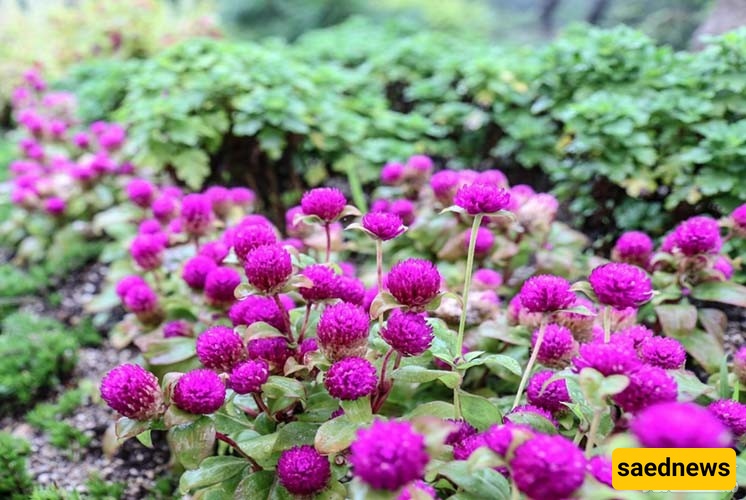
According to Saednews, Globe amaranth is an annual plant native to tropical regions. It grows to a height of about 30–40 cm. The stems are branched and covered with fine hairs. The leaves are elongated, ovate, and also slightly hairy.
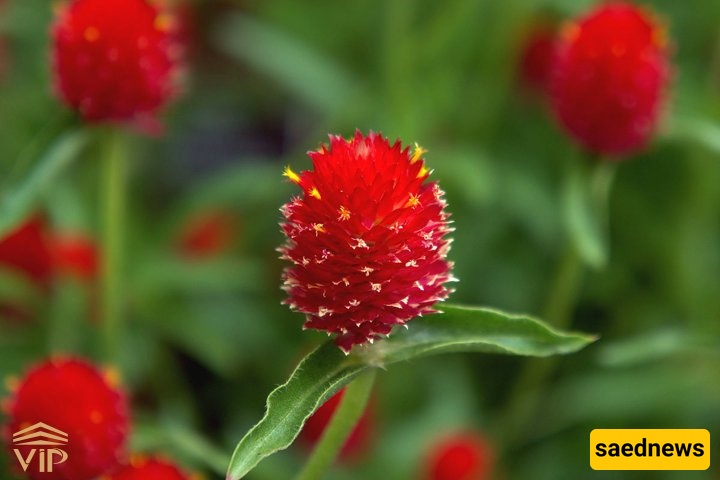
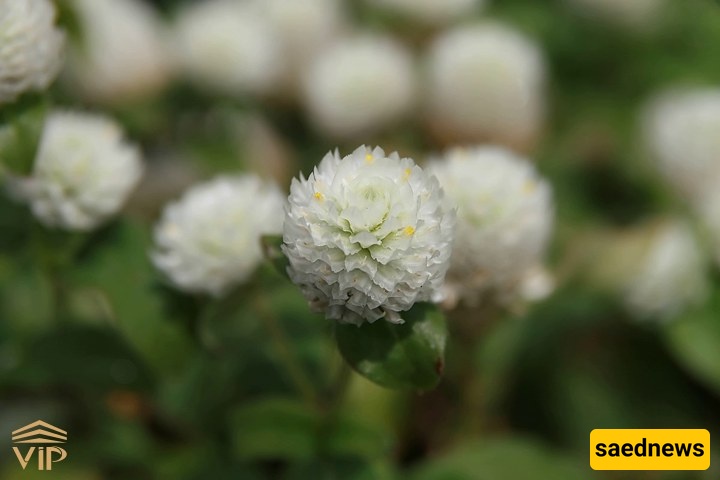
The flowers appear as prominent, button-like heads. They may grow singly or in clusters of 2 to 3 on a long stalk about 8–12 cm in length, emerging between opposite leaves.
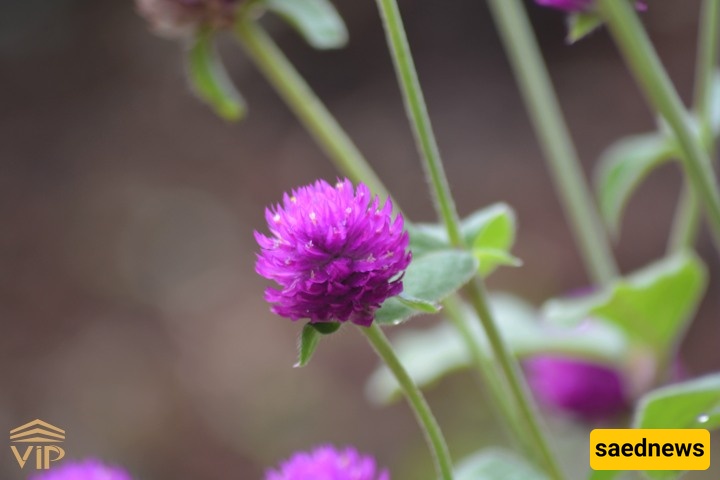
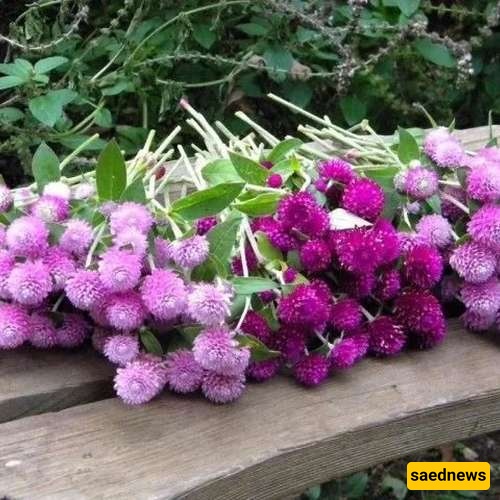
The petal-like structures feel dry to the touch and come in various colors including white, pink, orange, purple, and mixed shades. In reality, what looks like a flower is a cluster of dry, tightly packed bracts. It is considered one of the “straw flowers.” When cut and hung upside down in a dark place, it retains its natural shape and dries well.
Globe amaranth is easily grown from seeds. Sowing should begin 7–8 weeks before the last frost.
Prepare a seed tray filled with a equal mixture of sand, soil, and peat moss. Scatter the seeds on the surface and water them gently. Cover the tray with a plastic cover to prevent the soil from drying out.
Seeds require light to germinate, so do not bury them deeply. Place the tray in a bright location, but avoid direct sunlight, which may dry or overheat the soil. Once germination occurs, remove the plastic cover.
Keep the soil moist while seedlings are still weak. When seedlings reach about 5 cm in height, transplant them into larger pots carefully to avoid root damage. Once strong enough, they can be transferred outdoors.
Plant globe amaranth in warm outdoor locations with well-drained soil. It is drought-tolerant but grows better when the soil is kept slightly moist (not waterlogged).
Space plants about 25–30 cm apart. The plant is generally easy to maintain, but adding nutrients to the soil can improve growth. For bushier plants, young flower buds can be pinched off, and wilted flowers should be removed regularly.
This plant has a long flowering period, blooming from mid-spring to early autumn.
It prefers light, organic-rich soil and grows best in warm environments.
Globe amaranth does not require much water. Water only when the top layer of soil is completely dry. Although it is drought-resistant, regular watering improves flowering performance.
It can grow in most soil types, but performs best in dry, well-drained soil. Liquid fertilizers can be added for better growth.
This plant is generally resistant to pests and diseases. However, under drought stress, it may become susceptible to fungal infections.
The optimal germination temperature is 22–24°C. Seeds typically take 14–21 days to sprout.