SAEDNEWS: Evening primrose oil is rich in omega-6 fatty acids, including gamma-linolenic and linoleic acid, which are important for forming myelin, the protective covering of nerve fibers and nerve cell membranes, and support overall health.

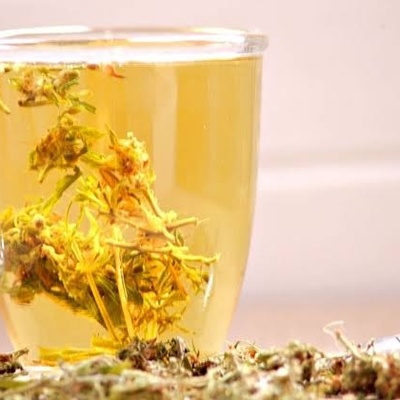
According to Saednews, Evening primrose is a small plant that produces attractive yellow flowers during spring and summer. Evening primrose oil is extracted by pressing the seeds of this plant.
This oil is widely known for its potential role in stimulating labor and reducing symptoms of PMS (premenstrual syndrome), such as breast pain, headaches, bloating, acne, and more. It is also commonly used in the cosmetic and skincare industry as a key ingredient in soaps and shampoos.
Evening primrose oil is also known by several names, including EPO, night willow herb oil, primrose seed oil, and Huile de Primrose. The plant is native to North America and Europe, especially England. The oil has a golden color, a distinctive scent, a thick texture, and is absorbed slowly into the skin.
A study conducted in 2005 showed that oral supplementation with evening primrose oil may improve skin health by increasing:
Elasticity
Hydration
Firmness
Resistance to fatigue
Since the skin cannot naturally produce gamma-linolenic acid (GLA), evening primrose oil helps fill this gap and supports overall skin health.
Typical use in supplement form involves taking 500 mg capsules, up to three times daily for 12 weeks.

Research from 2005 also suggested that oral evening primrose oil supplements can increase skin moisture, improve elasticity and firmness, and reduce wrinkles, contributing to facial skin rejuvenation.
Recommended dosage: 500 mg capsules, three times daily for up to 12 weeks.
Evening primrose oil may help balance hormonal function in the body, which can contribute to reducing acne and pimples.
Topical use: Apply 2–3 drops daily to the face to help reduce acne faster than usual.
Oral use: Can also be taken twice daily in capsule form.
Evening primrose oil is often used for eczema, a skin condition characterized by dryness, itching, swelling, and rough patches.
It may be applied topically or taken as capsules over several weeks. However, clinical evidence does not strongly support its effectiveness, as studies have shown little difference compared to placebo in eczema treatment.

This oil is believed to help brighten the skin and reduce dark spots.
Usage method:
Take capsules twice daily, or
Mix evening primrose oil with an equal amount of argan oil and add a few drops of lemon juice. Apply the mixture nightly to dark areas and massage gently.
Short-term use of evening primrose oil is generally considered safe, but long-term effects are not well studied. It is also not officially approved by the U.S. Food and Drug Administration (FDA), so product quality should be carefully checked when purchasing.
Possible mild side effects include:
Stomach discomfort
Abdominal pain
Headaches
Loose stools
Lower doses may reduce the risk of side effects.
In rare cases, allergic reactions may occur, including:
Swelling of hands and feet
Skin irritation or rashes
Shortness of breath
Wheezing