SAEDNEWS: Report highlights dishes in Asian cuisine associated with animal cruelty
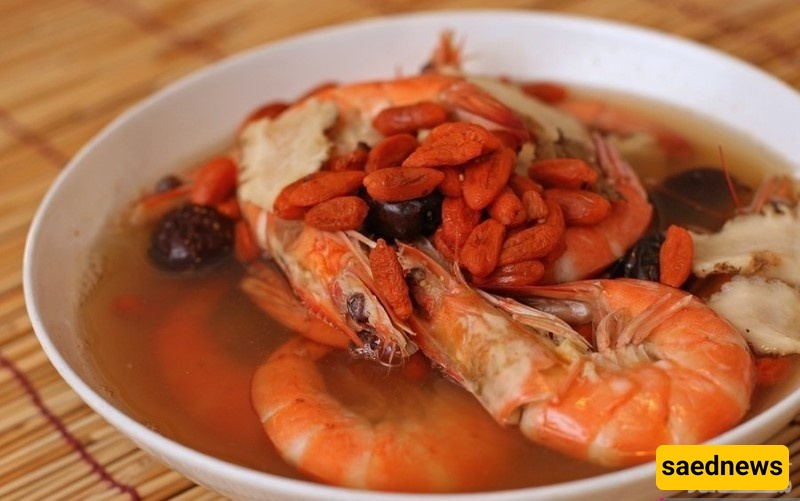
According to a report by Saed News, citing a web-reporting group, some Asian cuisines are known for consuming unusual foods such as frogs, insects, and reptiles. However, certain cooking practices have been described by animal welfare organizations worldwide as acts of cruelty and abuse.
Some believe these extreme methods stem from the idea that fresher and more “natural” (sometimes even raw or live) foods are healthier and more beneficial. As a result, in some cases animals are prepared or eaten while still alive. In certain East Asian dishes, movement of seafood or animals during cooking—caused by pain—has even been reported.
Below are several controversial examples of such dishes:
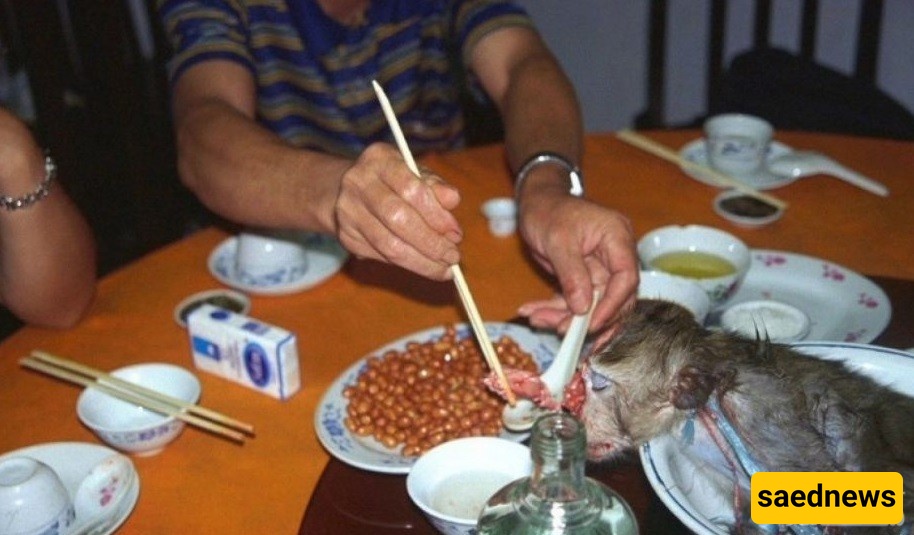
The monkey, being biologically close to humans, is considered an unusual food in many Western and Middle Eastern societies. However, in some regions of Asia it has been regarded as a delicacy.
In widely circulated descriptions, the dish is served at a table where the monkey is restrained beneath it, with its head exposed. The skull is reportedly struck and opened, and parts of the brain are consumed while still fresh and, according to these accounts, while the animal is still alive. Spices are added before consumption.
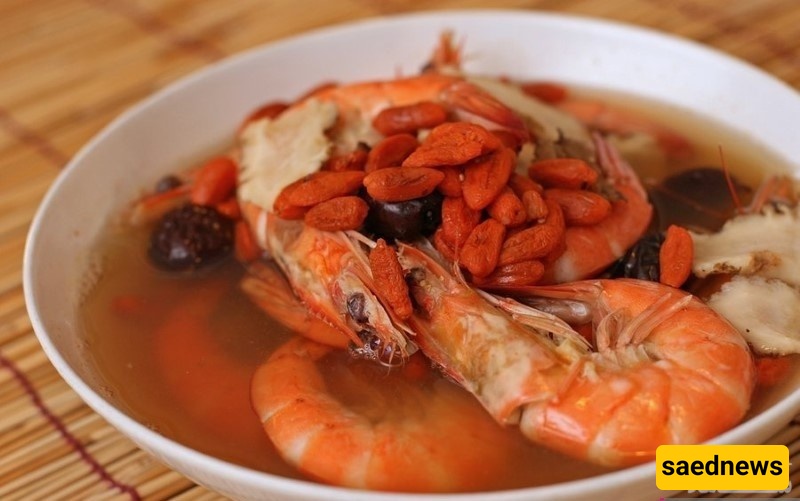
While shrimp is commonly eaten worldwide after being cooked and killed, a controversial variation exists in parts of China known as “Drunken Shrimp.”
In this method, live shrimp are placed into a bowl and boiling water or hot liquid is poured over them. The shrimp move violently due to the heat. They are then reportedly transferred into a mixture containing spicy sauces and alcohol while still alive or freshly dying, and consumed immediately.
Some reports claim that donkey meat is consumed in certain parts of Asia, particularly China. In highly controversial accounts, parts of the meat are cut from a live, restrained animal and served raw. This practice has been officially banned in China, though it is said to still exist in illegal markets.


A dish known as “San Zhi Er,” loosely translated as “three squeaks,” is described in some sources. It allegedly involves baby mice being dipped into sauce and eaten while still alive. The name is said to come from the sounds attributed to the animals during consumption.
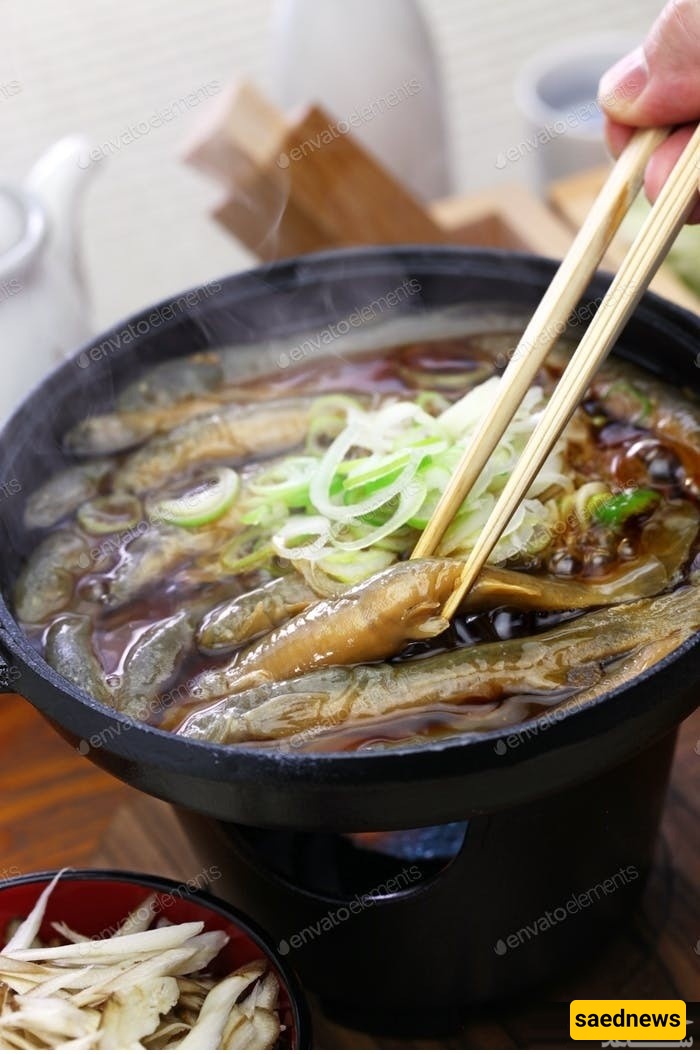
In this preparation, small fish—sometimes ornamental species—are reportedly placed into boiling water-based hot pots. The dish known as “Loach Hot Pot” is often cited in these discussions.
The fish are said to be cooked alive in boiling broth and then served in seasoned dishes, where the cooking process itself is completed at the table.
This report reflects controversial claims circulating in online media and animal welfare discussions regarding certain traditional or extreme culinary practices in parts of Asia.