SAEDNEWS: Many of the things we do can, in the long run, damage and even destroy our romantic relationship. If you are also interested in finding out what these behaviors are, stay with us in the rest of the article.

According to Saednews, Many of the things we do can destroy a romantic relationship in the long run. If you are also interested in knowing what these behaviors are, stay with us.
Having a healthy emotional relationship is not easy. You may think some of your behaviors are beneficial for the relationship, but the reality may be different. Many actions we take can gradually destroy a relationship over time.
If you notice signs of indifference in your partner, consider it a serious warning sign for your relationship. For example, they no longer argue with you or show interest in your dreams and goals. In fact, they have lost the enthusiasm they had at the beginning of the relationship. In such situations, even if you try to fix the relationship, they continue to remain emotionally distant.
Before taking any action, try to create a safe emotional space where your partner feels comfortable enough to express the problem. Simply asking “Are you okay?” is not effective. You should start by sharing your own feelings and open the conversation. Help them feel secure with you. Sometimes, you also need to give them time to open up. Patience is key.
One sign of a healthy relationship is mutual decision-making. People who want to dominate often make decisions alone and control their partner. If you need permission for everything you do, or if you constantly follow their wishes, you are in a controlling relationship. This is a toxic dynamic where there is no real security or intimacy.
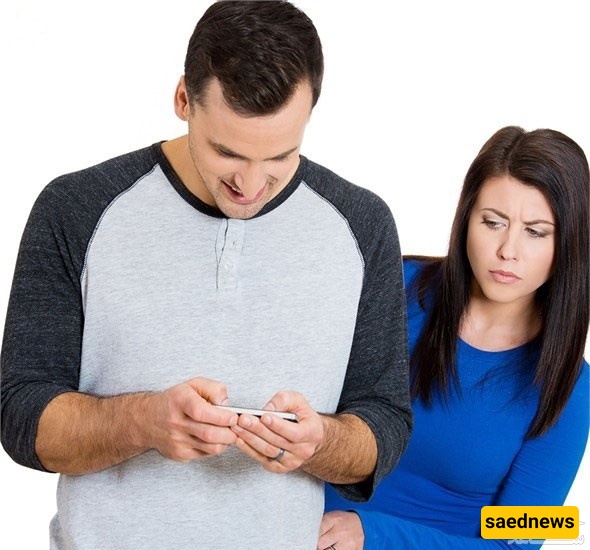
Controlling behavior is often rooted in jealousy, insecurity, and anger. The first step is to create a space where your partner feels safe enough to talk about their behavior. If they acknowledge the issue, there is hope for improvement. However, if they deny it and refuse to change, you should seek help from a counselor or professional.

Have you ever felt ashamed because of things your partner said to you? If so, pay close attention to how they speak to you. Constant criticism and blame are warning signs that the relationship is approaching a breaking point. Living with persistent negative feelings about yourself can eventually lead to isolation and loneliness.
People who mock or humiliate others often do so to feel superior. If this becomes a habit, you need to question whether the relationship is worth continuing. If you start feeling isolated, talk to your partner and ask about their behavior. If they are unwilling to listen, it may be time to distance yourself, otherwise you risk losing your self-esteem and confidence.
Have you ever asked your partner for something, and they agreed but then complained or made you feel guilty about it afterward? This is passive-aggressive behavior. It creates confusion, as their words and emotions do not match.

People with passive-aggressive tendencies often struggle to express their real feelings and expect others to read their minds. They avoid saying “no” to prevent disappointing others. In such cases, you should create a safe environment where they can express themselves honestly. At the same time, make it clear that this behavior affects you negatively and encourage open communication to resolve the issue.
In romantic relationships, emotional closeness can sometimes lead to one partner ignoring boundaries. While this may not seem problematic at first, over time it can turn into an unhealthy dynamic. In a healthy relationship, both partners understand and respect each other’s limits.
Although it is difficult to maintain boundaries when you love someone, it is essential for a healthy relationship. If your partner repeatedly crosses your boundaries, first talk to them about it. If the behavior continues, you must stand firm and protect your limits. Your values and personal space should not be violated by anyone.
If your partner relies on you in every aspect of life and cannot handle their own responsibilities, they likely lack self-confidence. In such relationships, you may feel overwhelmed and restricted, as if you are carrying all responsibilities alone. Over time, this leads to exhaustion and emotional burnout.

First, value yourself. Stop taking responsibility for everything your partner should handle and explain how their behavior affects you. Show them that the relationship has become one-sided. Focus on your own needs and stop overextending yourself. If you do not respect yourself, others will not respect you either.