SAEDNEWS: If you experience breakouts or irritation after facial threading, this guide is for you. By following just three simple steps, you can protect your skin from acne, redness, and inflammation. These methods are based on common dermatology recommendations.
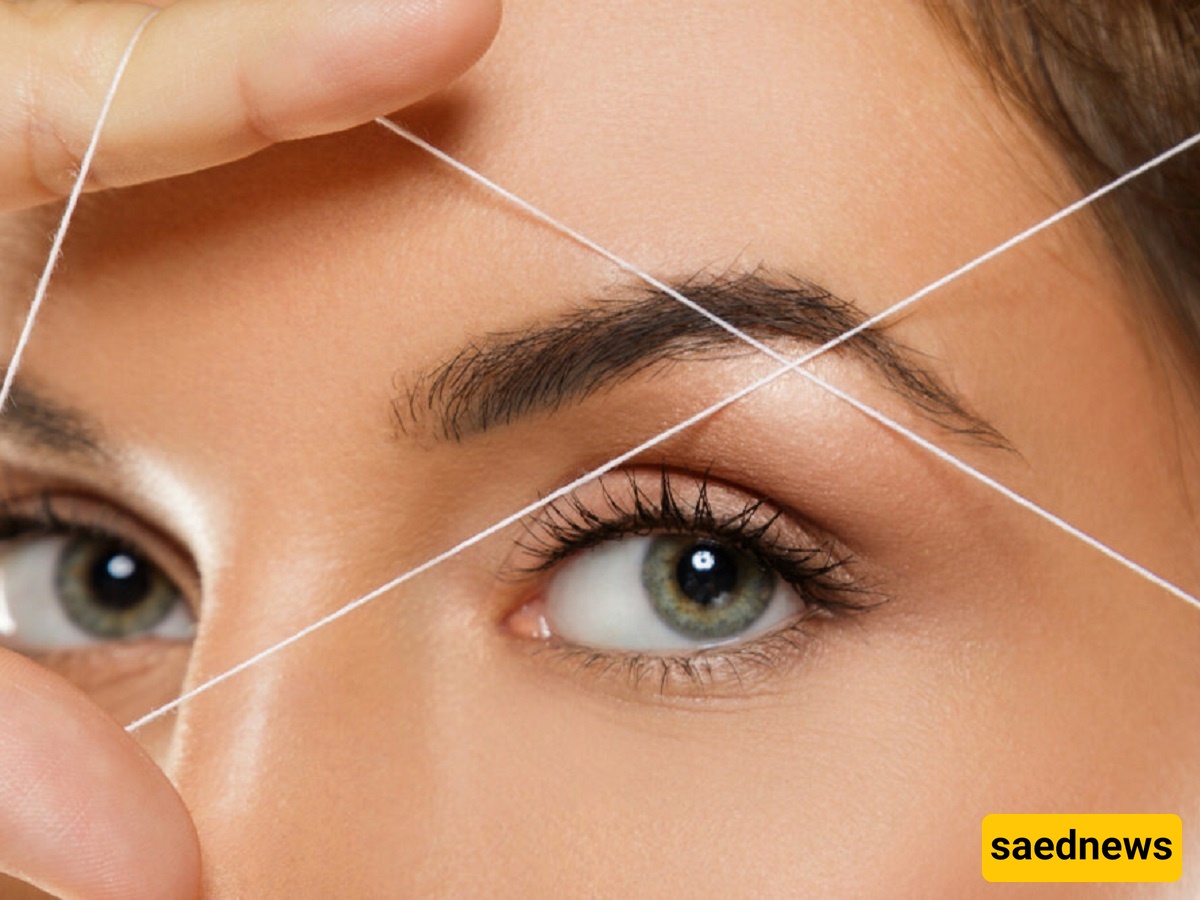
According to the Skin and Hair Service of Saed News Agency, facial threading is a popular and traditional method for removing unwanted facial hair that is widely used in many countries, especially Iran. However, the main problem after this method is the appearance of irritating pimples, redness, and skin irritation, which can affect beauty and self-confidence. Fortunately, by following a few simple and scientific tips, these side effects can be minimized. In this article, we review three golden, dermatologist-approved tips that help prevent breakouts after facial threading.
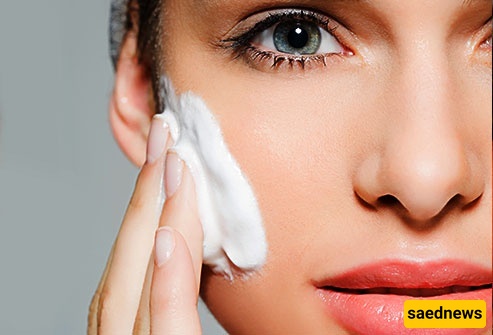
Cleansing the skin before threading is one of the most important steps to prevent acne. When the skin is oily or dirty, threading opens the pores and allows impurities to penetrate deeper into the skin, leading to breakouts and inflammation.
It is recommended to wash your face 15 to 30 minutes before threading using a gentle, sulfate-free cleanser suitable for your skin type. Then use lukewarm water to help open the pores, and if needed, apply a toner for deeper cleansing.
Also, disinfecting the thread with medical alcohol or boiling water can prevent bacteria from transferring to the skin. Many dermatologists emphasize that using unhygienic thread is one of the most common causes of post-threading acne.
One of the body’s natural reactions after epilation or threading is inflammation and open pores. This condition can allow bacteria and irritants to enter the skin. Therefore, immediately after threading, it is important to calm the skin with proper care.
A cold compress using a clean towel or ice wrapped in a cotton cloth is an excellent way to reduce inflammation. This not only decreases redness but also helps tighten the pores and prevent irritants from entering the skin.
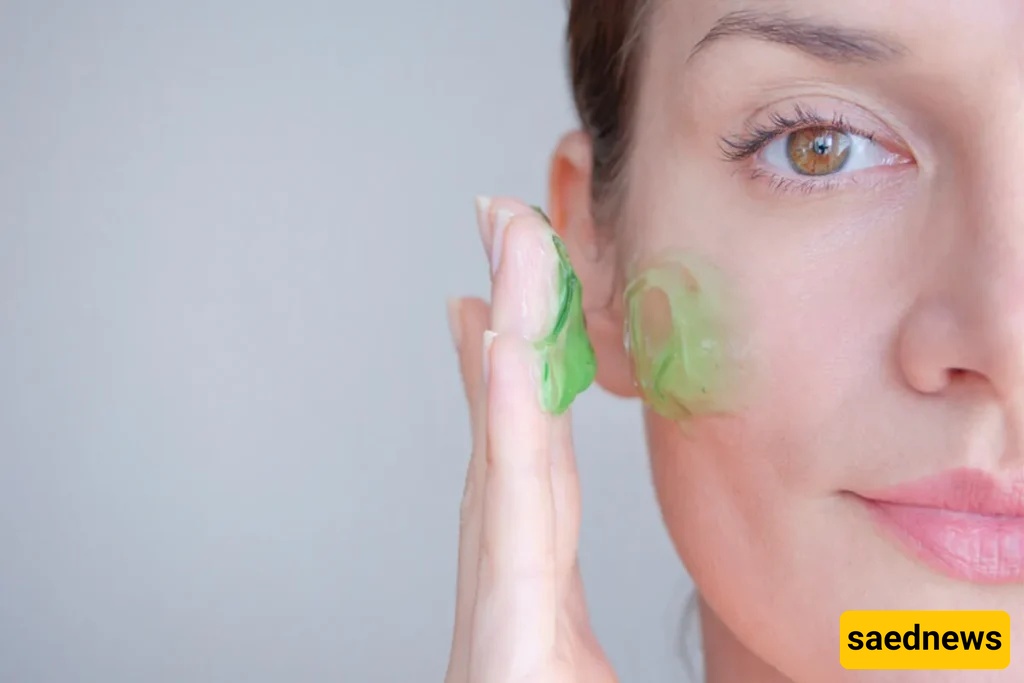
Using antibacterial products such as natural aloe vera gel, anti-acne toner, or mineral water spray is also recommended. These help remove bacteria from the skin surface and control inflammation.

One of the most common mistakes many people make is applying makeup or frequently touching the face immediately after threading, even though the skin is highly sensitive at this time.
Makeup products, powders, and even oily sunscreens can clog open pores and cause inflammatory or blackhead acne. Therefore, it is recommended to avoid makeup for at least 24 hours after threading.
In addition, frequent touching of the face with hands or a contaminated phone can transfer bacteria to the skin. If sunscreen is necessary, it is better to use a mineral, oil-free formula to avoid clogging pores.
By following three simple steps—cleansing the skin before threading, cooling and disinfecting afterward, and avoiding makeup for 24 hours—you can prevent unwanted breakouts after facial threading. These methods are not only simple but also recommended by dermatologists and help maintain healthy and beautiful skin. If you want smooth, acne-free skin, never ignore these three essential tips.