SAEDNEWS: Swelling is usually harmless, but if it appears suddenly and severely, it can be a sign of pregnancy poisoning (preeclampsia). This is a serious medical condition. If you experience it, swelling in the hands, feet, or face is often accompanied by high blood pressure.
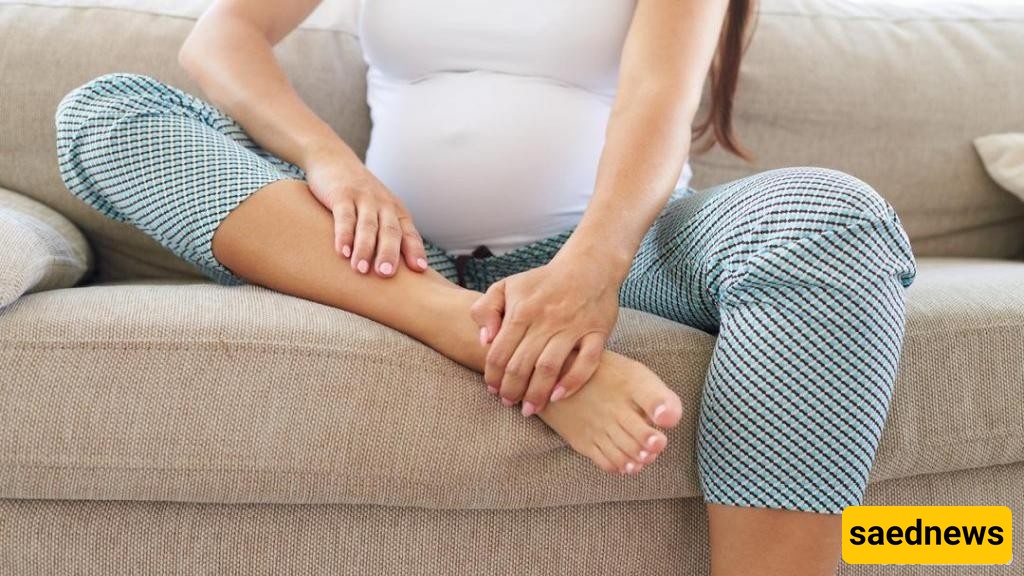
According to Saed News and Salam Donya, have your wedding ring become tight because your fingers are swollen? Did you buy larger shoes because your feet are spilling out from the sides? Welcome to the third trimester of pregnancy with swelling in the hands and feet.
In late pregnancy, many women experience edema (swelling). Fortunately, this fluid retention is a normal and necessary process. During pregnancy, blood volume and body fluids increase by about 50% to soften the body and support the baby’s needs. Extra fluid also helps stretch tissues for the baby’s growth and prepares the pelvic joints for childbirth.
Swelling is usually not painful, but it can be uncomfortable. So what can you do about it? Here are five natural ways to help relieve swelling during pregnancy.
You have probably been told to sleep on your left side during pregnancy. This helps reduce pressure on the inferior vena cava, the large vein that carries deoxygenated blood from the lower body to the heart.
Lying on your back can put pressure on this vein. Sleeping on the left side helps reduce pressure from the uterus on the liver and major blood vessels. Occasionally sleeping on the right side is not dangerous, but the left side is preferred when possible.
It may seem counterintuitive, but drinking plenty of water helps reduce fluid retention by supporting kidney function and flushing excess fluids from the body.
Some women also find swimming or standing in water helpful. Water pressure from outside the body can gently compress tissues and help reduce swelling. Swimming is also an excellent pregnancy-safe exercise.
Compression socks or stockings can help prevent swelling in the feet and ankles. It is best to wear them in the morning before swelling begins.
Avoid anything that restricts the ankles or wrists. Shoes that feel fine in the morning may become tight and uncomfortable later in the day, so comfortable footwear is important.
Low potassium levels may contribute to swelling, so including potassium-rich foods like bananas can help. Excess salt intake can worsen fluid retention, so sodium should be limited.
A balanced diet rich in lean protein, fruits, vegetables, and minimally processed foods is recommended.
Helpful foods include:
Celery
Artichoke
Parsley
Ginger
Caffeine may also contribute to fluid retention, so limiting intake is advisable.
Cold cabbage leaves may help draw out excess fluid and reduce swelling. Herbal teas such as dandelion, coriander, or fennel may support fluid metabolism, but should only be consumed after consulting a doctor to ensure safety during pregnancy.
Massaging the legs and feet with oils like mustard oil or flaxseed oil may also help reduce swelling.
Swelling is usually harmless, but sudden or severe swelling may indicate preeclampsia, a serious condition. It is often accompanied by high blood pressure.
Other symptoms include:
Headache
Nausea or vomiting
Abdominal or shoulder pain
Lower back pain
Sudden weight gain
Vision changes
Increased reflexes
Shortness of breath or anxiety
Swelling in only one leg, especially with redness, pain, or warmth, may indicate a blood clot and requires immediate medical attention.
Carpal tunnel syndrome can also occur due to fluid pressure on the median nerve in the wrist, causing numbness or tingling in the thumb, index, and middle fingers.
Seek medical advice if symptoms worsen or appear suddenly.
Do not be surprised if swelling temporarily worsens after childbirth. The body will gradually eliminate excess fluid. Although uncomfortable during pregnancy, this swelling usually disappears within a few days after delivery.