SAEDNEWES: Children see violent images and stressful war news every day. Silence can increase their anxiety. Psychologists and UNICEF advise how to speak honestly and calmly, age-appropriately, and help kids feel safe.
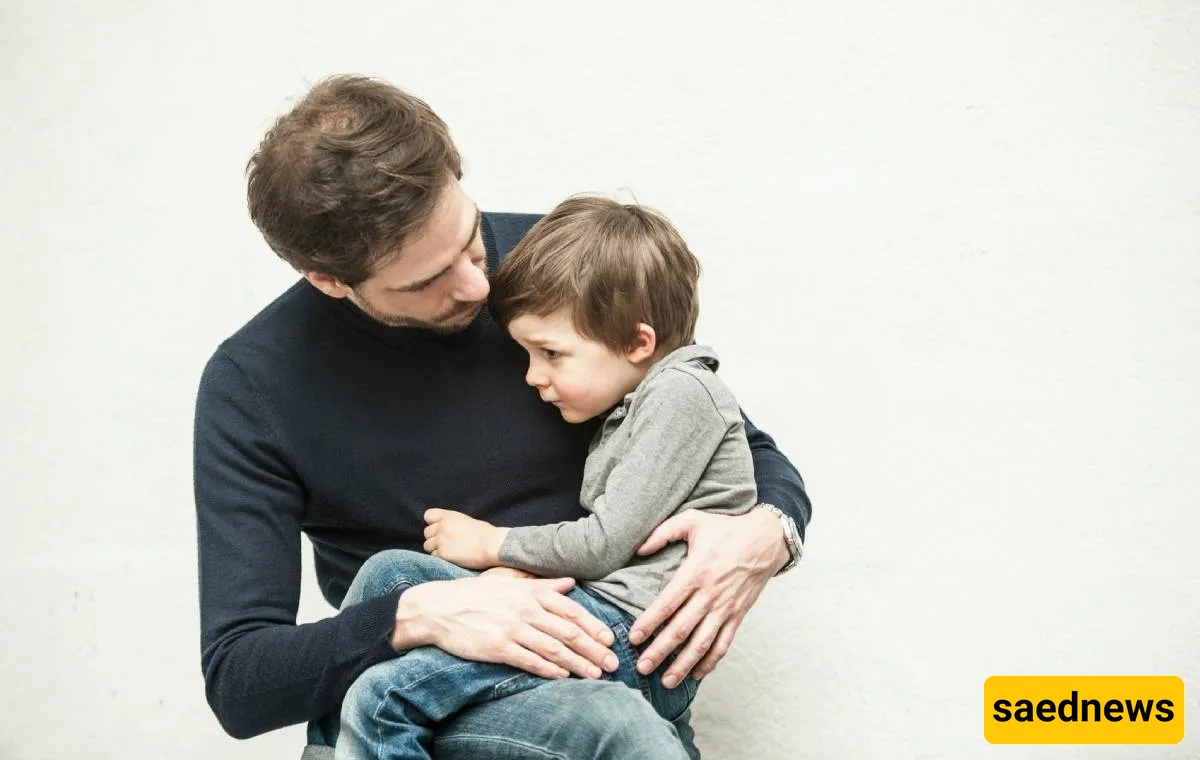
In today’s digital age, children and adolescents are frequently exposed to graphic images, videos, distressing information, and stressful news about war, military conflicts, and terrorism. Discussing these topics with a child is not easy. Many parents struggle to process and explain war or military conflicts in a way that children can understand. As parents and caregivers, we want to protect our children while being honest with them. That’s why it’s important to know how to talk to children about war. This article explores practical ways to approach this sensitive topic.
Before talking to a child about war, take a moment to check your own feelings. Do you feel anxious, angry, or uncertain about these events? How you react will influence how your child responds. Children notice how adults handle difficult topics, and your approach strongly shapes how they process the world and distressing events. Therefore, both what you say and how you say it matter. Speaking with a therapist or trusted friend can help you understand your feelings about war and prepare you to discuss it calmly with your child.
Choose a time and place where the topic of war can come up naturally, and your child feels safe to speak openly. A family mealtime can be a good opportunity, while bedtime may not be ideal.
Encourage your child to ask questions and express concerns. Listen first to what they understand and what they want to know. Repeating their questions can help clarify their understanding and ensure you address their worries accurately.
Some children may already know a little about the situation but prefer not to talk, while others may silently worry. With younger children, drawing, storytelling, and similar activities can provide a gentle entry point for discussion.
Children may encounter news about war on TV or social media. It’s important to verify the accuracy of what they see and hear. Talking with them provides reassurance and a chance to correct misinformation they may have picked up online, at school, or from friends.
Continuous exposure to distressing images and news can make it feel like a crisis is all around. Young children may not distinguish between what they see on screens and reality, and might feel personally at risk, even if conflicts are far away. Older children may have seen alarming content online and worry about how events could escalate.
Don’t minimize or dismiss their concerns. If they ask frightening questions like, “Is everyone going to die?” reassure them that this will not happen, and ask what they’ve heard and why they are worried. Understanding the source of their anxiety allows you to provide effective reassurance.
Acknowledge their feelings and normalize their emotions. Show that you are listening and remind them they can talk to you or another trusted adult about war whenever they need to.
Children have a right to know what is happening in the world, but adults are responsible for protecting them from unnecessary distress. You know your child best. Use age-appropriate language, observe their reactions, and be sensitive to their level of anxiety.
Feeling sadness or worry about current events is natural. Remember that children take emotional cues from adults, so try not to overshare your fear or anxiety. Speak calmly and monitor your body language, including facial expressions.
Reassure your children as much as possible that they are safe. Remind them that many people worldwide are working hard to stop conflicts and maintain peace.
It’s okay not to have all the answers to your child’s questions. You can use it as an opportunity to explore answers together, especially with older children, using reliable news sites or international organizations like UNICEF and the UN. Explain that not all online information is accurate and emphasize the importance of trusted sources.
When discussing war, consider your child’s developmental stage. How much can they process, and what is the best way to present it? Older children and adolescents can handle more complex explanations than younger ones.
Ensure you are well-informed about the facts yourself. Children may need help understanding historical context or confusing terms seen on social media. If you don’t know an answer, be ready to research and support them in processing the information.
Reassure your child of their safety. Younger children often need more frequent reassurance, while older children typically understand and process facts sooner.
If watching TV, consider doing it together. Limit exposure to violence and distressing news, especially if they access social media. For older children, set limits on TV and digital media use, guide them to reliable sources, and help them become critical media consumers. Watching news together can also provide opportunities to discuss how much time to spend on news and which sources to trust. Be mindful of how you talk about war around children.
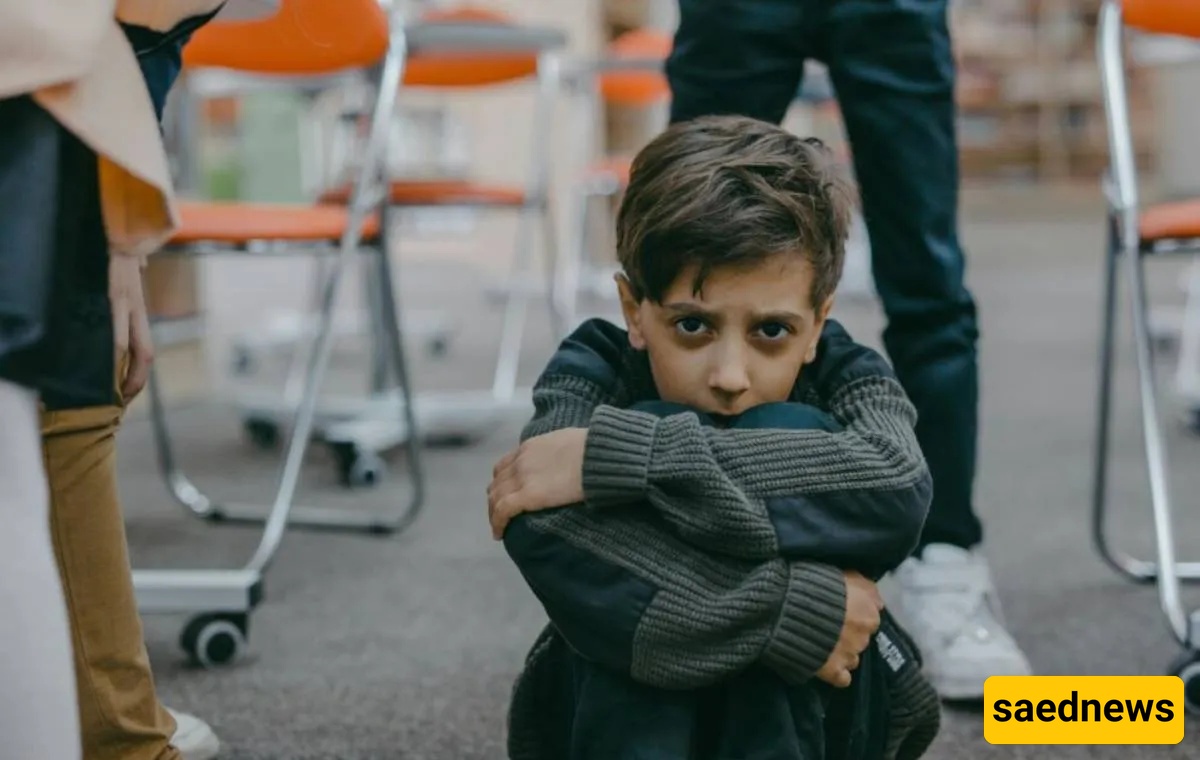
Start talking about war when your child is ready. Do not force them to discuss something that causes anxiety or distress. Wait until they initiate the conversation. This ensures they are prepared to hear about the events.
Many children worry about family and friends during conflicts. Let them guide the conversation so their concerns are addressed without introducing new anxieties. Answer the questions they ask, and you may not need to discuss potential conflicts in distant countries if they haven’t asked about it.
War and military conflicts can create prejudice or discrimination toward certain people or countries. Avoid labeling anyone as “bad” when discussing war. Instead, use the conversation to encourage kindness for those affected, like families forced to leave their homes.
Even if conflicts occur far away, children may develop biases. If a child from a conflict-affected country lives nearby, ensure your child treats them respectfully. If they witness discrimination at school, encourage them to report it to teachers.
Remind children that everyone deserves safety in school and community. Bullying and discrimination are always wrong, and everyone can play a role in fostering kindness and support.
Children need a sense of security. Maintain family routines as much as possible. Stay connected with friends, neighbors, teachers, and other support networks. Show children the importance of both in-person and online communication.
If you notice signs of stress in your child, don’t panic. Some reactions—sleeping next to parents, reluctance to do schoolwork, clinginess, bedwetting, appetite changes, or mood swings—are normal for a few weeks. However, if problems intensify, consult a child therapist or counselor, who can support your child’s mental health.

War and military conflicts are unfortunately frequent events, particularly in the Middle East. Exposure to news about these conflicts can cause worry and anxiety in children and adolescents. By following these strategies, parents can talk to children in a supportive, age-appropriate way. If anxiety persists, professional mental health support can help. Prioritize your children’s emotional well-being and provide reassurance in uncertain times.