SAEDNEWS: The first time making pancakes, but didn’t get the results you expected? Discover common pancake-making mistakes and simple tips for making soft, fluffy, golden-brown pancakes.
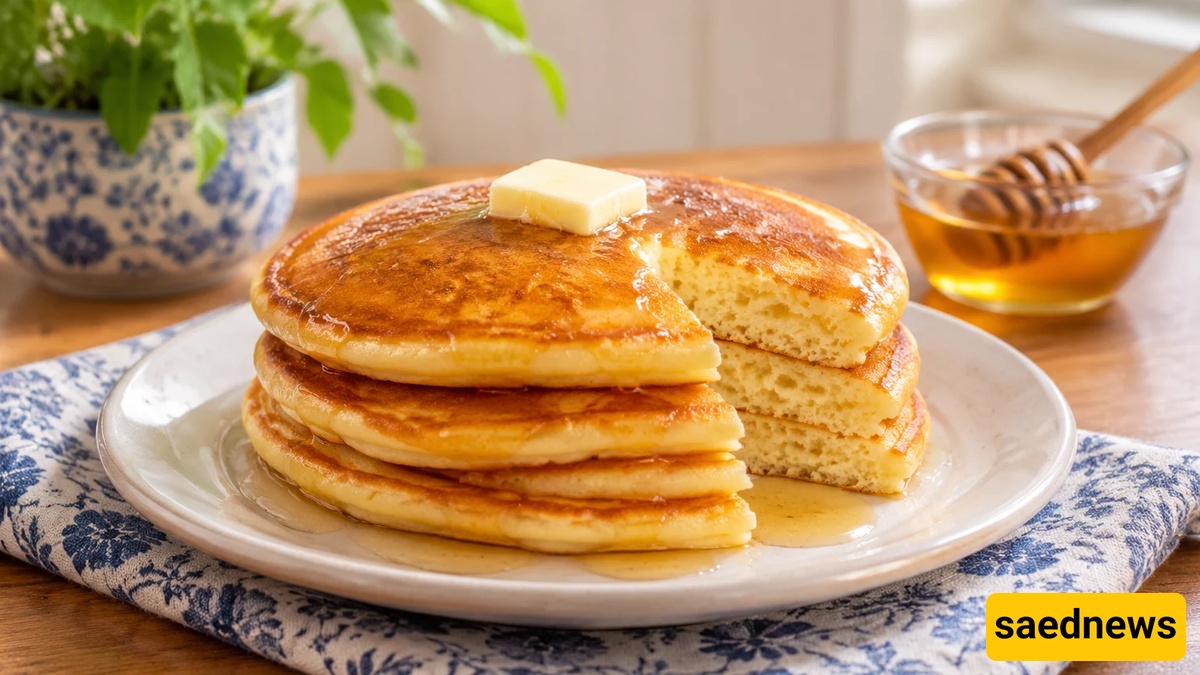
According to Saednews, To make a great pancake, simply mixing flour, milk, and eggs is not enough. The quantity of each ingredient, how you mix the batter, and even the timing of flipping the pancake can all affect the final result.
You may have followed the recipe perfectly, yet your pancakes still do not turn out as soft and fluffy as the ones in cooking tutorials. In such situations, you do not need to start over with a completely different recipe. Instead, you need to identify which step went wrong and learn how to fix it.
If your pancakes remain pale or white after cooking, the pan may not have been hot enough, or you may have removed them from the heat too soon.
To achieve a beautiful golden-brown color, preheat the pan before adding the batter and allow each side enough time to cook and develop color.
If the underside of your pancake does not turn golden brown, do not worry. Both sides do not always develop the same color. The second side usually cooks faster and should be removed from the heat sooner.
Using too much oil can also cause uneven brown spots instead of an evenly golden surface.
Solution: Preheat a non-stick pan over medium-low heat for a few minutes. Lightly coat the bottom with a thin layer of oil, then pour in the batter. When bubbles appear on the surface and the edges begin to set, flip the pancake. Allow the other side to cook, but do not suddenly increase the heat to achieve a darker color.
Pancakes usually stick because of the type or condition of the pan, insufficient greasing, or flipping them too early.
If the non-stick coating is damaged, removing pancakes can be difficult even when you follow the recipe correctly.
Additionally, attempting to flip a pancake before it has properly set can cause it to tear and stick to the bottom of the pan.
Solution: Use a good-quality non-stick pan and preheat it before adding the batter. Apply a small amount of oil or butter, then wipe away any excess so the surface is not overly greasy.
Wait until the edges have set and the bottom releases easily with a spatula before flipping. Flip each pancake only once.
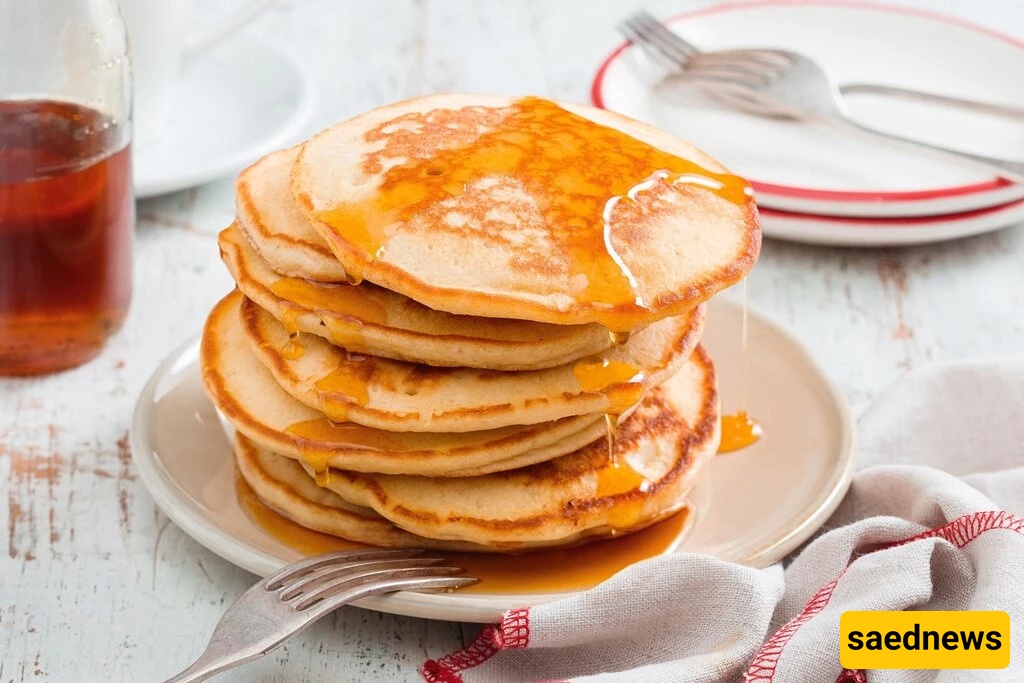
One of the main reasons pancakes fail to rise is using too little or expired baking powder. When baking powder reacts with moisture and heat, it releases gas that helps create a light, fluffy texture.
Overmixing the batter after adding flour can also make pancakes dense and tough. Similarly, batter that is too runny spreads across the pan and may not rise properly.
Solution: Use fresh baking powder and follow the quantity specified in your recipe.
To check whether your baking powder is still active, add a small amount to hot water. It should produce bubbles quickly.
Mix the dry and wet ingredients separately. Once combined, stir only until the ingredients are incorporated. A few small lumps in the batter are perfectly normal.
The bubbles on the surface of pancakes are created by gas released from the raising agents and steam produced during cooking.
If there is not enough baking powder or the batter is too thick, fewer bubbles may appear on the surface.
The temperature of the pan also plays an important role. Very low heat slows down the cooking process and bubble formation, while excessive heat can burn the bottom of the pancake.
Solution: The batter should be thick enough to pour slowly from a ladle while still spreading slightly across the pan.
Preheat the pan over medium-low heat and allow the pancakes to cook gradually.
When bubbles appear and the edges begin to set, it is usually a good indication that the pancake is ready to flip. However, the number of bubbles varies between recipes, so it should not be the only factor used to determine flipping time.
If your pancakes look golden brown on the outside but remain wet and doughy inside, the pan may have been too hot.
In this situation, the outside cooks and browns quickly, while the center does not have enough time to cook through.
Pouring too much batter into one spot and making excessively thick pancakes can also increase the likelihood of an uncooked center.
Sometimes, an imbalance between the amount of flour and liquid can result in a heavy, overly moist texture.
Solution: Reduce the heat slightly and use a consistent amount of batter for each pancake to avoid making them too thick.
If the surface becomes dark very quickly while the inside remains raw, the pan is too hot.
To check whether a pancake is fully cooked, cut one through the middle. The inside should be soft and thoroughly cooked, without any raw or sticky batter.
If a pancake is still doughy or partially cooked, return it to the pan and cook it over low heat until the center is done.
The most common reason pancakes burn is excessive heat.
When the bottom of the pan becomes too hot, the outside of the pancake turns dark brown or black before the inside has finished cooking.
Too much sugar in the batter can also accelerate browning and increase the risk of burning.
Another possible cause is burnt butter or leftover crumbs from previously cooked pancakes remaining in the pan.
Solution: Keep the heat at medium-low and make a small test pancake before cooking the entire batch.
If it becomes dark too quickly, lower the heat and allow the pan to cool slightly.
Use a small amount of cooking oil to grease the pan. If you prefer butter, make sure it does not burn. Also, remove any leftover pancake crumbs before cooking the next batch.
To make light pancakes with a golden surface and soft texture, follow these essential preparation and cooking tips.
Measure the ingredients accurately: Do not add more flour than the recipe requires. Too much flour makes pancakes heavy and dry.
Mix the batter gently: Avoid overmixing after adding flour. A few small lumps will not affect the final result.
Let the batter rest: For many pancake recipes, allowing the batter to rest for approximately 5–10 minutes is sufficient. Avoid leaving batter containing baking powder at room temperature for unnecessarily long periods.
Use the right pan temperature: Preheat the pan before cooking, but do not let it become hot enough to smoke. Medium-low heat works well for most homemade pancakes.
Flip at the right time: When small bubbles appear on the surface, some begin to burst, and the edges are no longer runny, it is time to flip the pancake.
Do not press the pancakes: After flipping, avoid pressing down on the pancake with a spatula. This releases some of the air trapped inside and can make the texture denser.
Prevent pancakes from drying out: Do not leave pancakes in the pan longer than necessary. Once cooked, cover them loosely until serving to help keep them warm and soft.
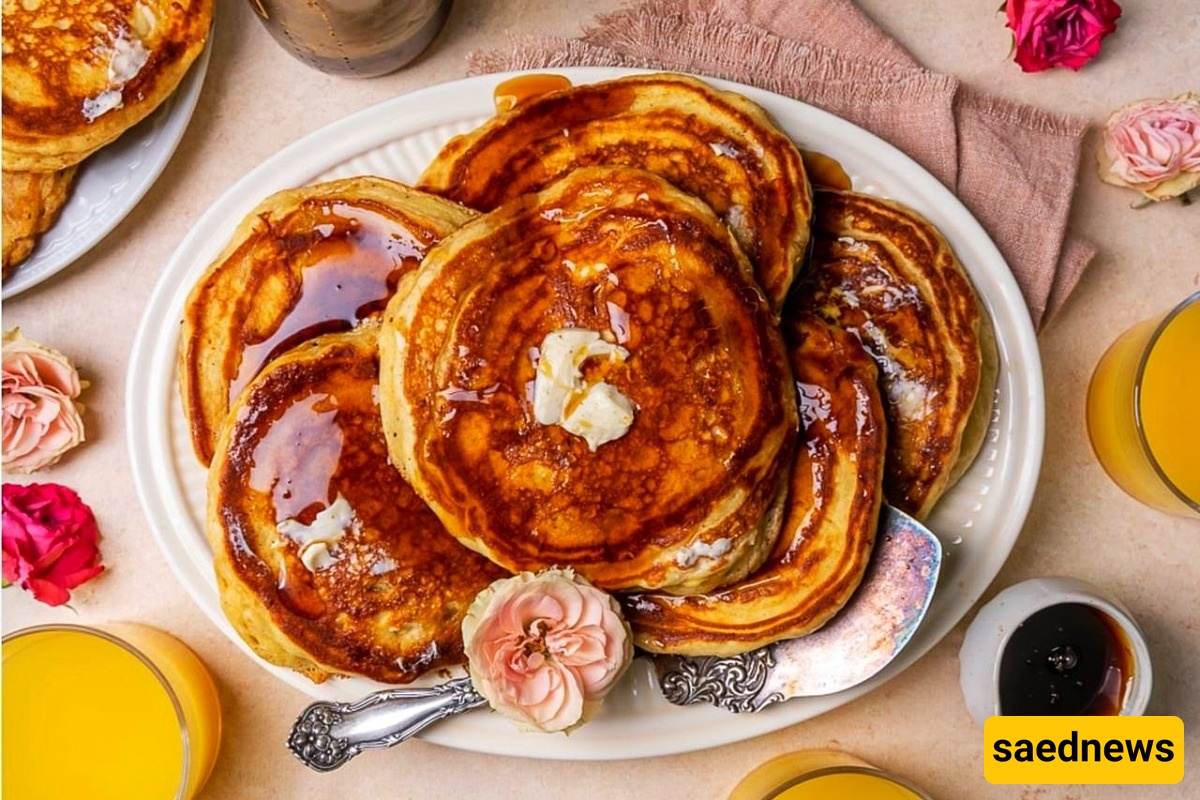
To prevent pancake-making mistakes, start by checking the pan temperature, batter consistency, and freshness of your baking powder.
Most common pancake problems, including poor rising, sticking, a doughy center, and burning, can be solved by adjusting these basic factors.
Final Thoughts
Making soft, fluffy, and perfectly golden pancakes does not require complicated techniques. Paying attention to ingredient measurements, mixing methods, and cooking temperature can make a significant difference.
Which pancake problem do you encounter most often? Share your experience and the solutions you have tried in the comments section.