SAEDNEWS: Cake gel is a versatile ingredient in baking that helps improve texture, enhance moisture retention, slow staling, and create a glossy, professional appearance in cakes and pastries. Understanding its different types and proper applications is essential for bakers and pastry chefs.
According to Saednews, In modern baking, product quality is measured by more than taste and appearance. Shelf life, consistent texture, ease of production, and reduced waste are also important indicators of professional baking. Cake gel is a versatile ingredient that plays a valuable role in cake and pastry formulation and decoration. Professional bakers use different types of cake gel to improve texture, retain moisture, slow staling, and create an attractive, glossy finish.
Cake gel has a wide range of applications in baking, depending on the product, production goals, and formulation. Some types are used as cake batter improvers, while others serve as glazing agents, decorative gels, or stabilizers for cream and fillings. Understanding the different types of cake gel, their benefits, and proper application techniques can help bakers achieve more consistent, appealing results.
Cake gel generally refers to a mixture that may contain water, glucose syrup, emulsifiers, stabilizers, and gelling agents. In baking and confectionery, these ingredients help improve the physical properties of finished products. Depending on its formulation, cake gel can help retain moisture, maintain softness, increase volume, and slow the staling process.
However, the term cake gel can refer to two main categories of products:
Cake batter improvers: Used during mixing to improve batter stability, cake volume, and texture.
Glazing and decorative gels: Applied to cakes, pastries, fruit toppings, and desserts to create a glossy finish and improve appearance.
Understanding the difference between these applications is essential for choosing the right product.
In the production of sponge cakes, chiffon cakes, cream cakes, and certain baked pastries, cake gel can help improve batter structure. By supporting the even distribution of air bubbles and stabilizing water-and-fat emulsions, it can produce a softer, more uniform, and moister crumb.
In some formulations, cake gel also contributes to better cake volume and helps maintain product quality after baking.
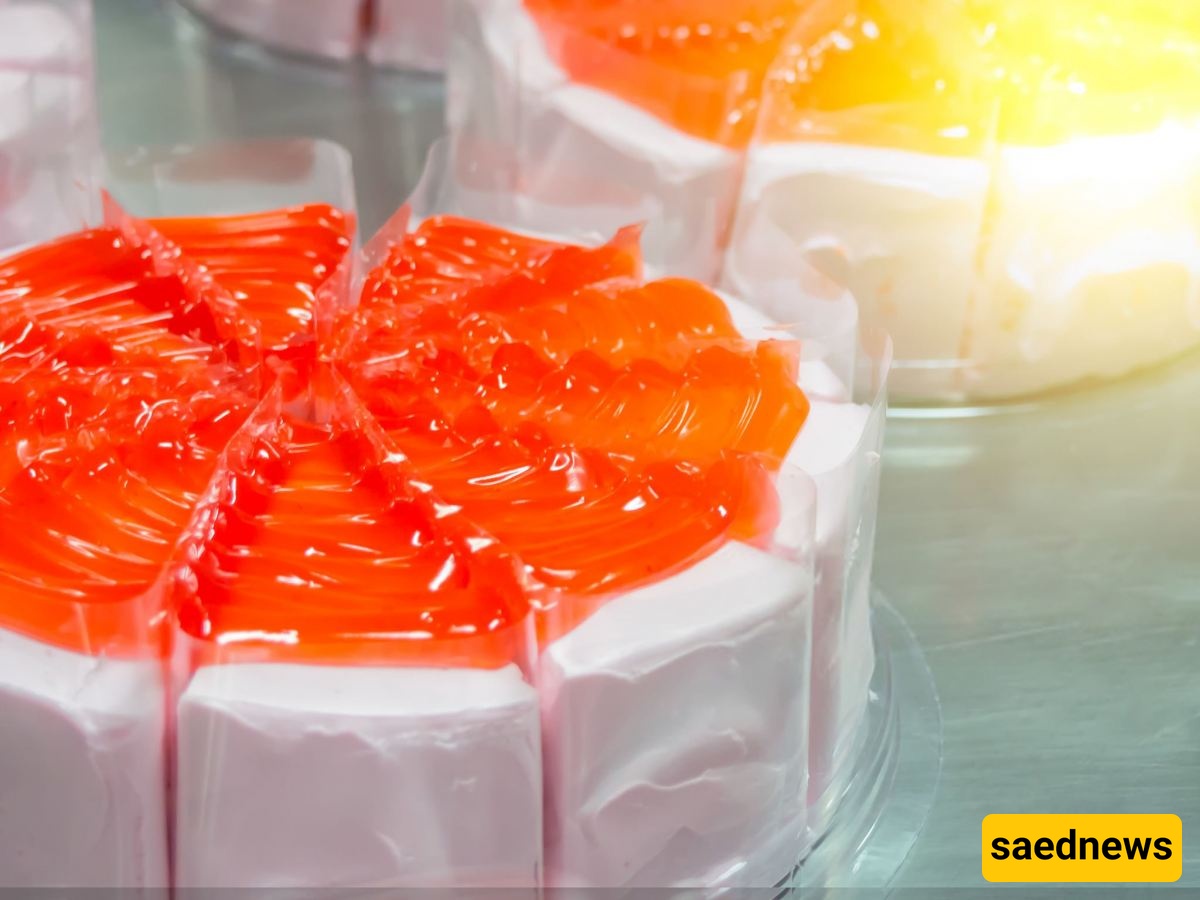
Another type of cake gel is available as a clear or colored gel used to glaze cakes, tarts, fruit pastries, and desserts. These products create a shiny surface, help prevent fruit toppings from drying out, and give finished products a polished, professional appearance.
Fruit tarts, fresh-fruit cakes, and display pastries are among the common applications of decorative glazing gels in modern bakeries.
One of the main reasons bakers use cake gel is to improve the texture of finished cakes. Depending on its formulation, cake gel can help retain moisture and support a cohesive crumb, reducing excessive dryness and crumbliness.
This benefit is particularly valuable for cakes that remain in display cases or packaging for extended periods.
Cake staling is a common challenge in commercial baking. As cakes lose moisture and their starch structure changes, they can become firm and less appealing.
When used correctly, suitable cake gel formulations can help slow texture deterioration and preserve softness for longer. This can improve customer satisfaction, reduce product waste, and support more cost-effective production.
Actual shelf life depends on the recipe, packaging, storage conditions, and food safety requirements.
Cake gel can help stabilize air bubbles in batter, allowing cakes to achieve better volume and a more consistent crumb after baking.
However, the correct dosage is essential. Excessive use may produce a dense, gummy, or otherwise undesirable texture rather than improving the final product. Always follow the manufacturer's instructions and test the formulation before large-scale production.
Consistency is particularly important in commercial bakeries that produce large quantities of cakes every day. Cake gel can help reduce variations in batter performance and finished-product quality when ingredients or processing conditions vary slightly.
When combined with accurate weighing, controlled mixing, and consistent baking conditions, it can support more reliable production and help minimize rejected products.
Cake gel may also be used in certain cream preparations, fillings, and confectionery formulations. Depending on the product, it can help stabilize consistency and reduce water separation or loss of structure.
This is especially useful for cream cakes that need to maintain their shape during refrigeration and display.
In fruit fillings, suitable gels can improve thickness, texture, and visual appeal. The choice of product should take into account the type of cream, fat content, acidity, storage temperature, and intended shelf life.
Not every cake gel is suitable for cream stabilization, so it is important to select a product specifically designed for the intended application.
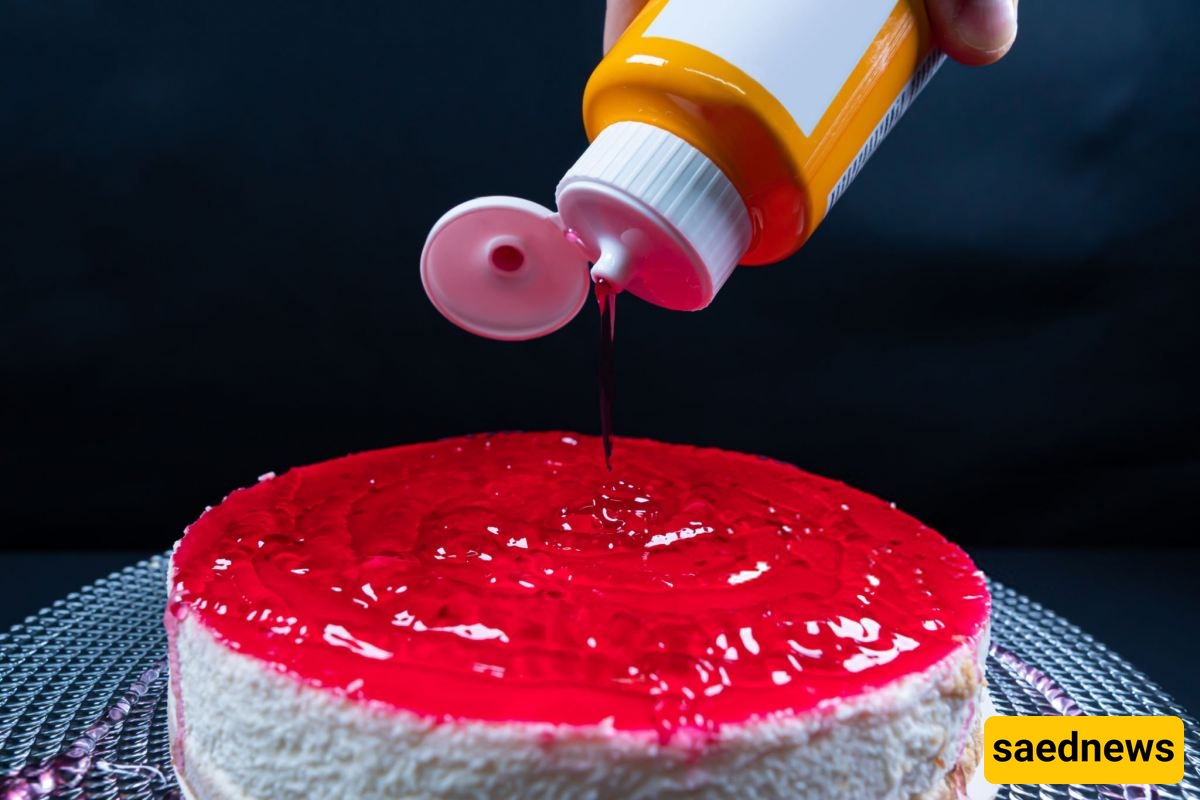
Decorative cake gel is particularly useful for creating an attractive finish on cakes and pastries. Clear or colored glazing gels add shine and help produce a smooth, uniform appearance.
These gels are generally applied after the product has cooled sufficiently, following the manufacturer's recommended temperature and application instructions. This helps prevent the glaze from running or forming uneven patches.
For fresh-fruit cakes and tarts, glazing gel can help reduce moisture loss from exposed fruit and enhance its natural color. It is also commonly used on small pastries, fruit desserts, and bakery display items.
For the best results, apply a thin, even layer. Excessive glazing can make a dessert look artificial or overly coated.
In fruit-based pastries, cake gel can help retain moisture, improve consistency, and enhance presentation. Certain fruit gels also help preserve the fruit's flavor and appearance within the finished product.
In desserts, specialized gels may contribute to a jelly-like texture, improve stability, and reduce liquid separation. The appropriate type depends on the dessert's acidity, ingredients, serving temperature, and storage conditions.
It is important to distinguish decorative glazing gels from gelling agents designed to create structure within a dessert, as their functions and application methods can differ significantly.
Producing cakes with less fat or sugar can make it more difficult to maintain the desired moisture, softness, and structure. In selected formulations, cake gel can serve as a formulation aid to help compensate for some of the textural changes caused by reducing these ingredients.
However, cake gel is not a complete replacement for sugar, fat, or other essential ingredients. Its effectiveness depends on the recipe, the gel's composition, and the manufacturer's technical recommendations.
Careful formulation and small-scale testing are recommended before introducing cake gel into reduced-sugar or low-fat products.
Cake gel is a useful tool in professional baking, offering benefits that range from improved batter performance and softer cake texture to enhanced glazing and more attractive pastry decoration. Its effectiveness depends on choosing the correct type for the intended purpose and using it at the appropriate concentration.
For bakers, understanding the differences between cake batter improvers, decorative glazing gels, and specialized stabilizing gels can lead to better product consistency, improved presentation, and reduced waste. When combined with sound baking techniques and proper storage practices, cake gel can contribute to producing high-quality cakes and pastries that meet professional standards.