SAEDNEWS: Custard Cream vs. Crème Pâtissière: Key Differences in Ingredients, Texture, and Baking Uses
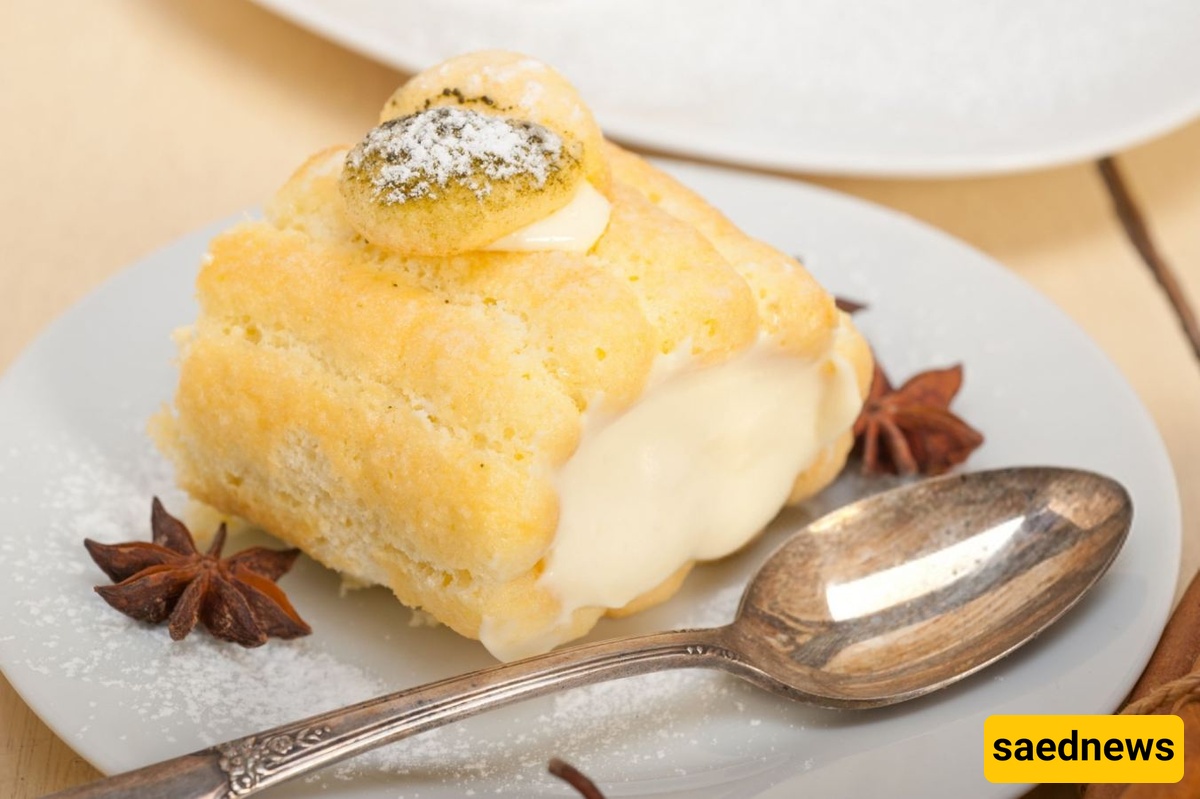
According to Saednews, In the world of pastry making, different creams and fillings play an important role in determining the flavor, texture, and final appearance of desserts. Two of the most popular and widely used creams in French and international pastry making are custard cream and pastry cream.
Custard is one of the oldest and most fundamental preparations in cooking and pastry making. Originating in European cuisine, it is a simple mixture of milk, eggs, and sugar. Custard can be prepared in a baked form, such as crème caramel, or as a pourable sauce, such as vanilla custard sauce.
The main ingredients of custard are:
Fresh milk: Forms the liquid base of the cream.
Whole eggs or egg yolks: Thicken the mixture and create a creamy texture.
Sugar: The primary sweetener.
Vanilla: The main flavoring, which can be added as vanilla extract or vanilla bean seeds.
Custard is generally divided into three main categories:
Baked custard: Examples include crème caramel and bread pudding.
Stirred custard: Such as vanilla custard sauce, which is continuously stirred over low heat.
Cold custard: Includes ready-made custard products that do not require cooking.
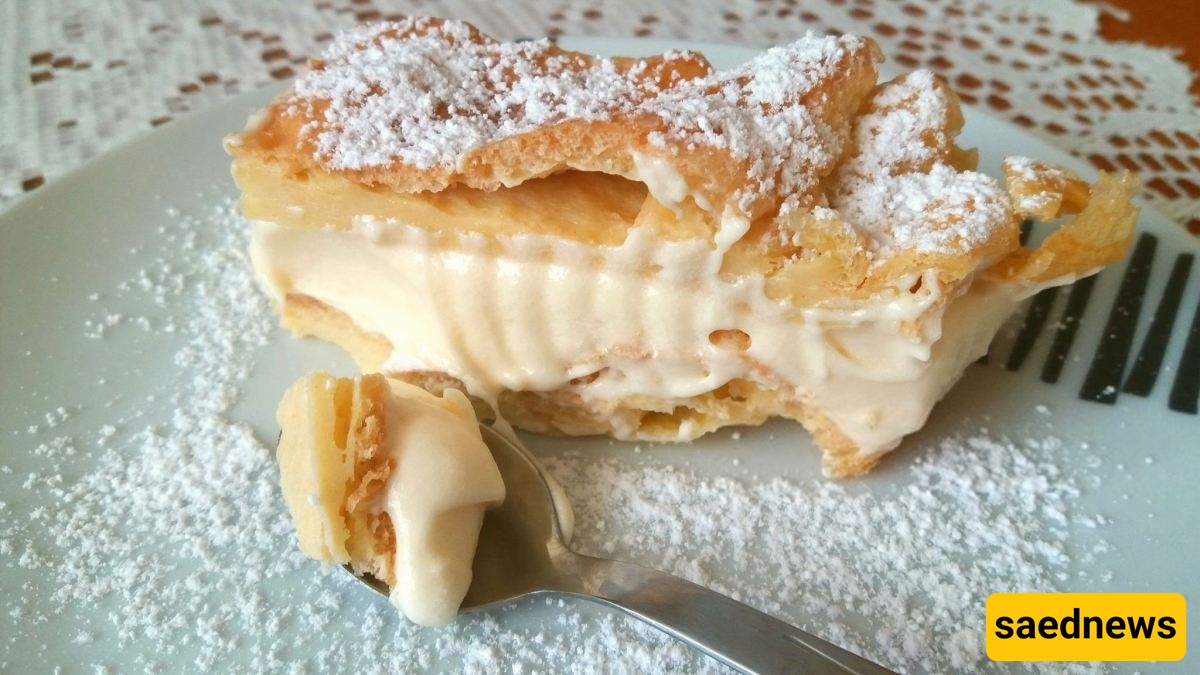
Soft and delicate texture: Custard has a smooth, silky, and pourable consistency.
Mild, natural flavor: Its dominant flavors come from milk and eggs.
No starch required: Traditional custard does not use flour or cornstarch.
Sensitive to heat: Custard can easily scorch or curdle, so its temperature must be carefully controlled.
Pastry cream, also known as crème pâtissière or French pastry custard, is a thick and stable cream widely used in professional pastry making. Developed and refined by French pastry chefs, it is considered one of the essential foundations of modern pastry.
Pastry cream is made from the following ingredients:
Fresh milk: Provides the liquid base.
Egg yolks: Contribute flavor and some of the cream's richness and thickness.
Sugar: Acts as a sweetener.
Cornstarch or flour: The primary thickening agents that provide a thicker, more stable consistency.
Vanilla: The main flavoring.
Butter (optional): Enhances the flavor and gives the cream a glossy finish.
Thick and stable texture: The addition of starch makes pastry cream much thicker than traditional custard.
Easy to shape and slice: It can be used in different molds and structured desserts.
Greater heat stability: It is generally more resistant to heat than custard.
Longer storage life: Its stable structure allows it to maintain its consistency during storage, although proper refrigeration is essential.
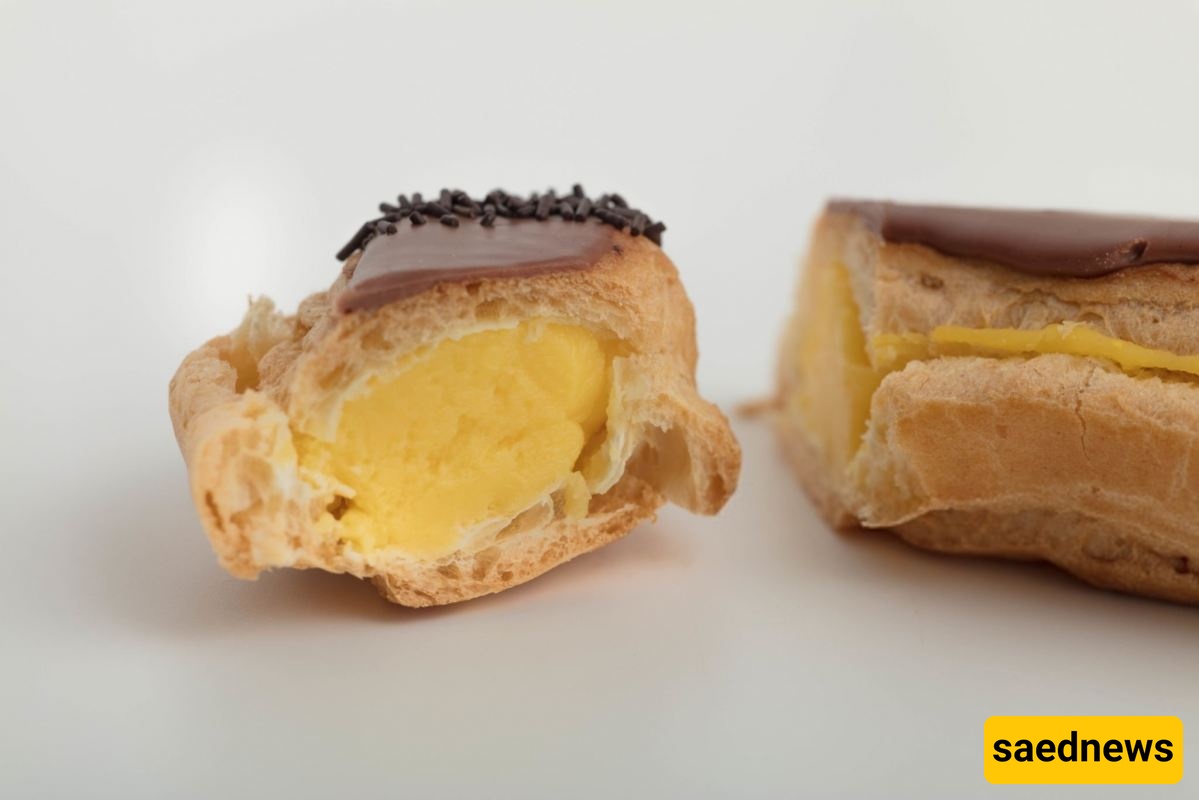
The most important difference between these two creams is the use of starch.
Custard: Traditionally contains no starch. Its thickness comes primarily from the coagulation of egg proteins.
Pastry cream: Contains cornstarch or flour, which gives it a thicker consistency and greater stability.
Custard: Soft, smooth, silky, and pourable, allowing it to flow easily.
Pastry cream: Thick, creamy, and stable, making it suitable for fillings that need to hold their shape.
Custard: The ingredients are combined and gently heated over low heat until the mixture thickens.
Pastry cream: Milk is brought to a boil and then gradually incorporated into a mixture of egg yolks, sugar, and starch. The mixture is returned to the heat and cooked until thickened.
Custard: Ideal for pourable sauces, puddings, crème caramel, and desserts served in bowls.
Pastry cream: Ideal for filling layered pastries, such as mille-feuille, as well as éclairs, profiteroles, tarts, and layered cakes.
Custard: Generally has a short refrigerated shelf life of around 2–3 days and is sensitive to temperature changes.
Pastry cream: May keep for approximately 4–5 days under proper refrigeration, although its actual shelf life depends on the recipe, preparation, and storage conditions. Both creams are perishable and should be refrigerated promptly.
Custard is a versatile ingredient used in a wide variety of desserts, including:
Vanilla custard sauce: Served with cakes, pies, and warm desserts.
Crème caramel: A classic French dessert.
Rice pudding: A traditional dessert combining rice and custard.
Bread pudding: An economical dessert made with stale bread and custard.
Trifle: An English layered dessert featuring custard.
Ice cream: Custard serves as the base for many traditional vanilla ice creams.
Pastry cream is particularly useful in desserts that require a thick, stable filling.
Éclairs: French pastries made from choux pastry and filled with pastry cream.
Profiteroles: Small choux pastry balls filled with pastry cream.
Mille-feuille: A French layered pastry made with puff pastry and pastry cream.
Fruit tarts: Pastry cream provides the base for fresh fruit toppings.
Layered cakes: Used as a filling between cake layers.
Doughnuts: Adds a rich, creamy filling to filled doughnuts.
Mille-feuille pastries: Thin layers of puff pastry combined with pastry cream.
Control the temperature: Heat custard to approximately 80–85°C (176–185°F), depending on the recipe, without overheating it.
Stir continuously: Keep stirring to prevent lumps, scorching, and uneven cooking.
Use the spoon test: Custard is ready when it coats the back of a spoon.
Cool it quickly: Rapid cooling helps stop the cooking process and reduces food-safety risks.
Strain the mixture: Pass the custard through a fine-mesh sieve for a smoother, more delicate texture.
Dissolve the starch thoroughly: Mix the cornstarch with a portion of cold milk or another suitable cold liquid to prevent lumps.
Bring the milk to a boil: Heat the milk before incorporating it into the egg mixture.
Temper the eggs: Gradually whisk the hot milk into the egg yolks to prevent them from scrambling.
Cook thoroughly: Once the mixture thickens and returns to a boil, cook it for approximately 1–2 minutes or according to the recipe to ensure the starch is properly gelatinized. Some recipes require longer cooking.
Add butter: Incorporate cold butter after cooking for a richer flavor and glossy finish.
Cover the surface: Press plastic wrap directly against the surface of the cream to prevent a skin from forming.
Refrigerate promptly: Cool the cream quickly and store it in the refrigerator until ready to use.
Custard and pastry cream share similar ingredients, but their different compositions make them suitable for different purposes.
Choose custard when you need a smooth, delicate, and pourable preparation for sauces, puddings, or desserts served in bowls.
Choose pastry cream when you need a thick, stable filling that holds its shape in éclairs, profiteroles, fruit tarts, mille-feuille, and layered cakes.
Understanding these differences will help you choose the right cream for each dessert and achieve the best possible flavor, texture, and presentation.