SAEDNEWS: Smart Food Choices That May Help Reduce Inflammation and Support Herniated Disc Recovery
According to Saednews, Lower back disc problems are among the most common musculoskeletal conditions worldwide, affecting millions of people. Pain caused by a herniated lumbar disc can significantly affect quality of life, making even the simplest daily activities difficult.
While medical treatments such as physical therapy, anti-inflammatory medications, and, in severe cases, surgery play an important role in managing this condition, proper nutrition can also support inflammation control, tissue health, and the body's recovery process.
This comprehensive guide explores the best foods for a herniated lumbar disc, their potential benefits, and practical ways to incorporate them into your daily diet. Understanding the role of nutrition can help you make informed choices to support pain management and improve your overall quality of life.
Many people do not realize that lumbar disc problems are not purely mechanical conditions. The body's inflammatory response can also contribute to worsening symptoms. A herniated disc occurs when the soft inner material of an intervertebral disc protrudes through its outer layer, potentially irritating nearby nerves and triggering inflammation.
Nutrients obtained through a balanced diet can help regulate inflammatory processes and support the maintenance and repair of body tissues.
Research suggests that diets rich in antioxidants, omega-3 fatty acids, and essential micronutrients may help reduce systemic inflammation and support overall tissue health.
For this reason, making informed dietary choices can be a valuable part of a comprehensive approach to managing lumbar disc problems.
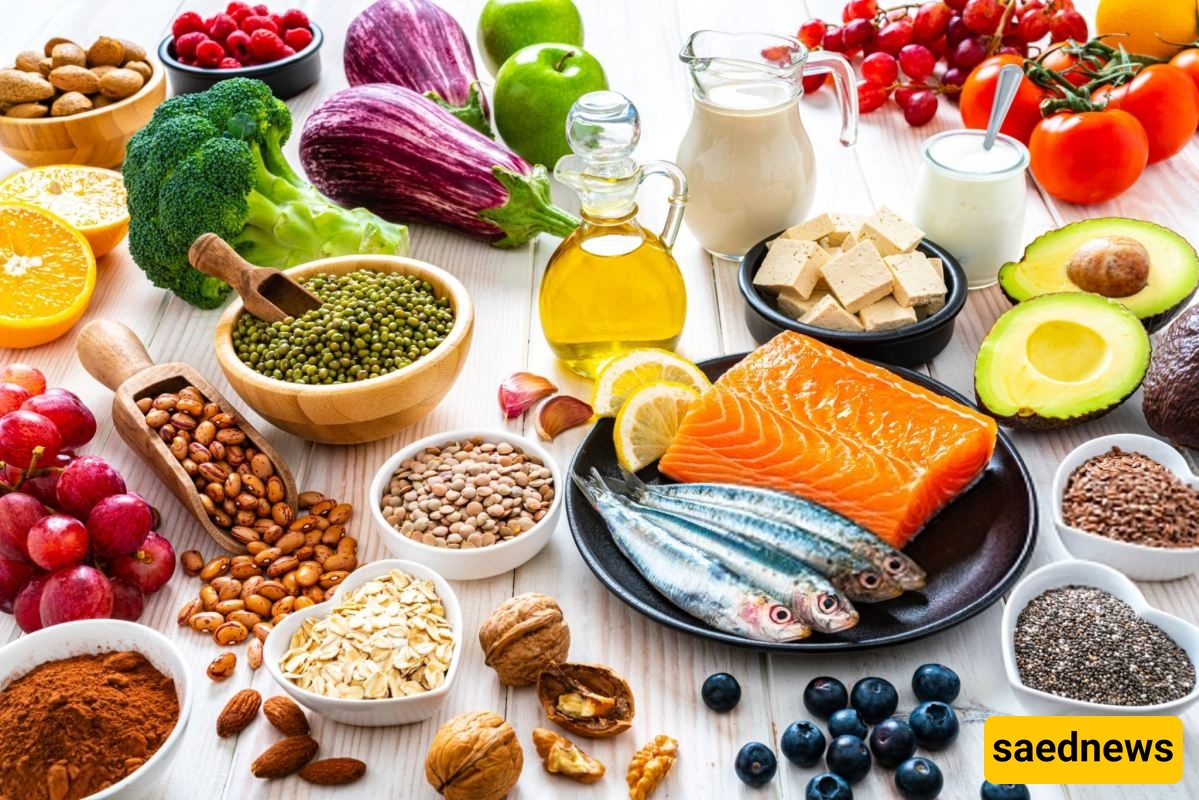
Inflammation can contribute to pain and discomfort associated with lumbar disc problems. Including foods with anti-inflammatory properties in your diet may help support symptom management.
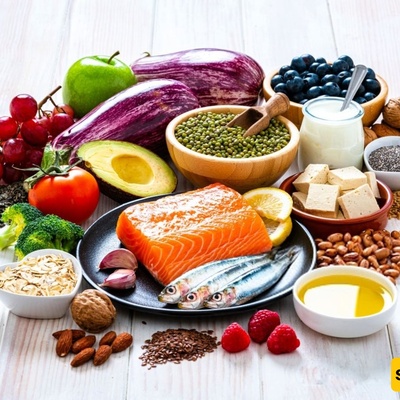
Fatty fish such as salmon, sardines, mackerel, and tuna are excellent sources of omega-3 fatty acids. These healthy fats may help regulate the body's inflammatory response and support joint and spinal health.
Aim to eat fatty fish two to three times per week. If you do not eat fish, ask your healthcare professional whether an omega-3 supplement may be appropriate for you.
Extra-virgin olive oil contains oleocanthal, a natural compound with anti-inflammatory properties. Replacing some saturated fats with olive oil in cooking and salad dressings may help support a healthier inflammatory balance.
For the best flavor and to preserve its beneficial compounds, use extra-virgin olive oil in dressings or add it to prepared meals.
Turmeric contains curcumin, a bioactive compound that has demonstrated anti-inflammatory effects in various studies. Adding turmeric to meals, soups, and stews is an easy way to diversify your diet. Black pepper may improve curcumin absorption.
Ginger also contains compounds that may help regulate inflammatory pathways and relieve certain types of muscle and joint discomfort.
However, culinary amounts of these spices should not be considered a substitute for medical treatment.
Spinach, kale, parsley, and other leafy greens provide vitamins, minerals, and antioxidants. They also contain vitamin K, which is important for bone health, as well as plant compounds that may help regulate inflammation.
Try to include a serving of leafy greens in your daily meals.
Intervertebral discs consist primarily of an outer fibrous ring, known as the annulus fibrosus, and a soft inner region called the nucleus pulposus. Adequate nutrition supports the maintenance of these structures and the surrounding tissues.

Collagen is an important structural protein in the outer layer of intervertebral discs. Vitamin C is necessary for collagen synthesis and helps maintain connective tissue.
Excellent sources include:
Citrus fruits
Kiwi
Strawberries
Bell peppers
Broccoli
The recommended daily vitamin C intake for most adults is 75–90 milligrams, depending on sex and other individual factors. Higher doses are not automatically more beneficial.
Adequate protein intake supports tissue maintenance, recovery, and the preservation of muscle mass. Strong back and abdominal muscles help support the spine and improve overall physical function.
Good protein sources include:
Skinless chicken and turkey
Eggs
Beans, lentils, and other legumes
Low-fat dairy products
Fish
A balanced diet containing sufficient protein can help maintain the muscles that support the lower back.
Vitamins B6 and B12 are important for normal nervous system function. Because a herniated disc can irritate or compress nearby nerves, maintaining adequate levels of these vitamins is important for overall nerve health.
Vitamin B12 is found in fish, eggs, dairy products, meat, and fortified foods. Vitamin B6 is found in chicken, bananas, potatoes, and whole grains.
Although correcting a vitamin deficiency is important, taking additional supplements does not necessarily relieve nerve symptoms when vitamin levels are already adequate.
The health of the vertebrae and surrounding structures is important for spinal function. Calcium and vitamin D support bone health, helping maintain the structural strength of the spine.
Milk, yogurt, and low-fat cheese provide calcium and protein. Greek yogurt can be a convenient choice because it is often rich in protein.
If you are lactose intolerant, consider calcium-fortified plant-based milk or foods such as sesame seeds. Check product labels because calcium content varies.
Vitamin D helps the body absorb calcium. The body produces vitamin D through exposure to sunlight, although the amount produced depends on factors such as season, skin pigmentation, and geographical location.
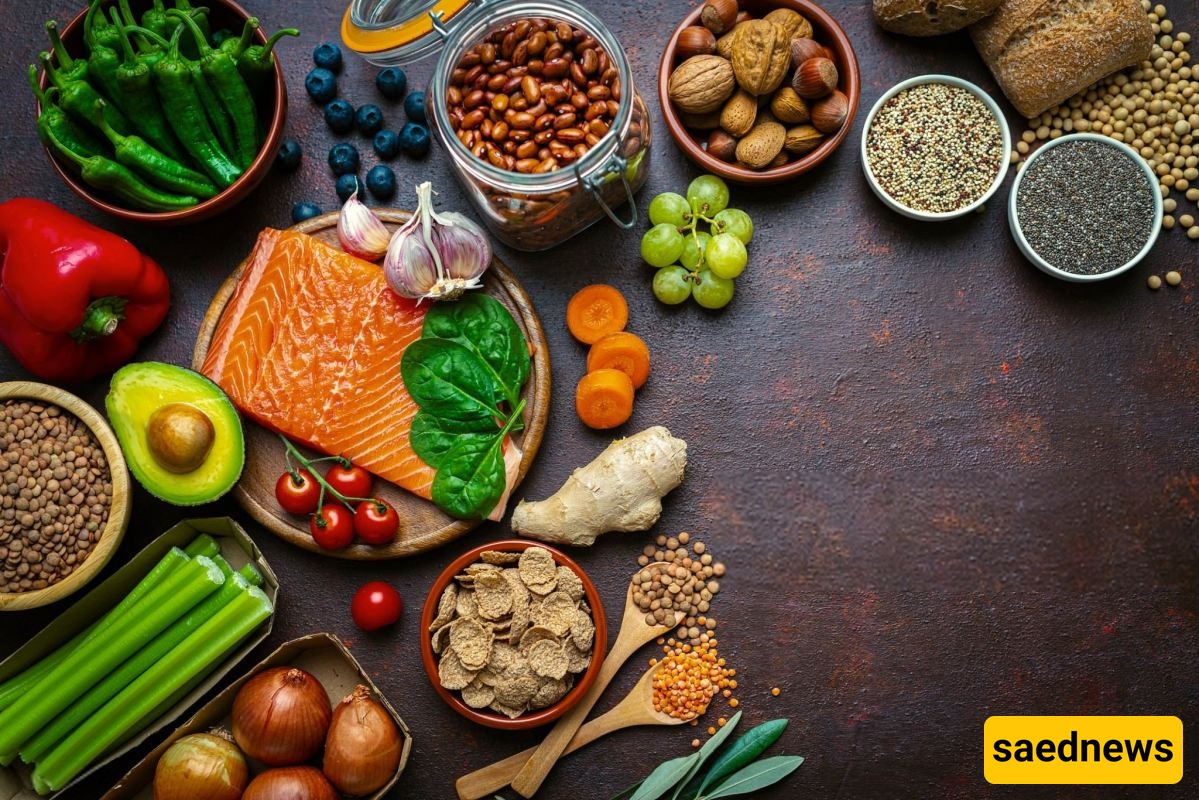
Dietary sources include:
Egg yolks
Fatty fish
Vitamin D-fortified dairy products
Fortified plant-based beverages
If you are at risk of vitamin D deficiency, consult a healthcare professional about testing and whether supplementation is necessary. Routine testing is not required for everyone.
Oxidative stress is one factor studied in connection with intervertebral disc degeneration. Antioxidants help protect cells from damage caused by free radicals and are an important part of a balanced diet.
Blueberries, strawberries, raspberries, and blackberries contain anthocyanins and other beneficial plant compounds.
Regularly eating a variety of berries can contribute to a diet rich in antioxidants. A serving of fresh or frozen berries is an easy addition to breakfast, yogurt, or a snack.
Walnuts, almonds, pumpkin seeds, and flaxseeds provide healthy fats, vitamin E, minerals, and other nutrients.
These foods can support general health and help you replace less nutritious snacks. A small handful, approximately 30 grams, makes a convenient daily snack for many people.
Garlic and onions contain sulfur-containing compounds and other plant substances, including quercetin in onions. They add flavor to meals while contributing beneficial nutrients and plant compounds.
Adding fresh garlic and onions to soups, salads, vegetables, and home-cooked meals is a simple way to improve dietary variety.
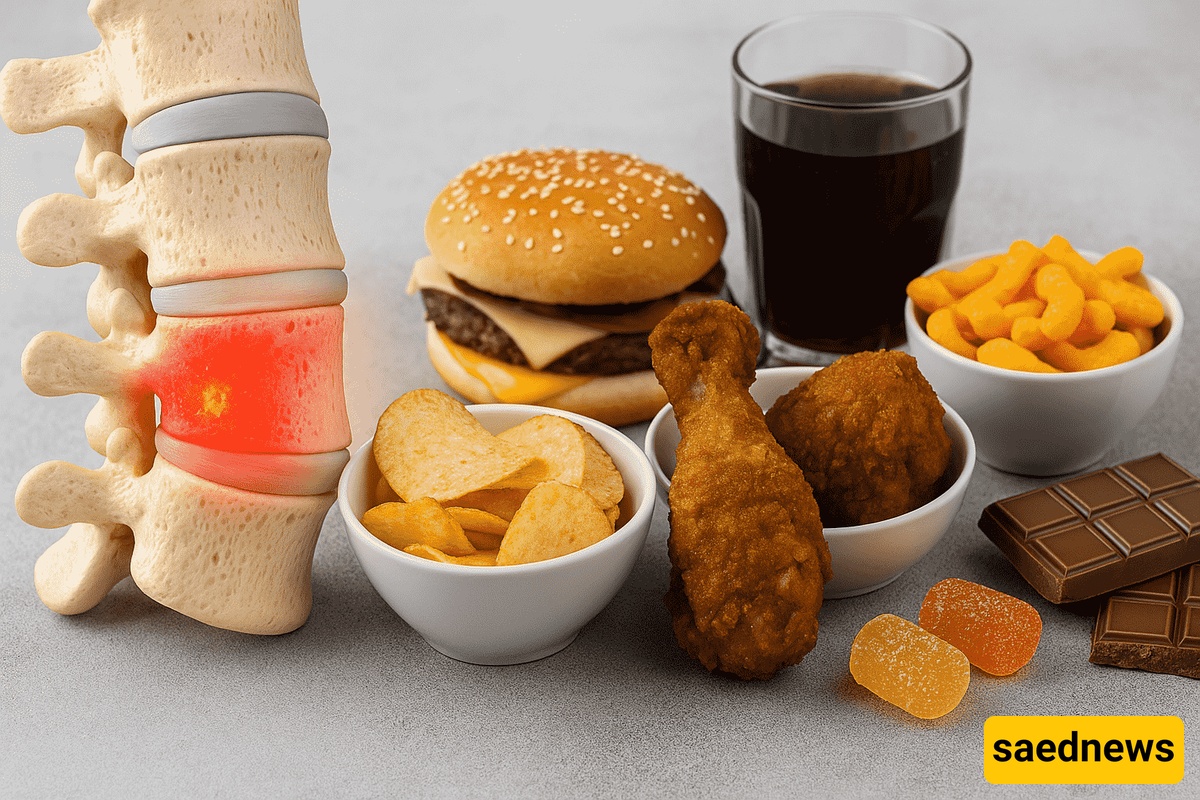
Knowing which foods to reduce can be just as important as knowing which foods to include. Certain dietary patterns are associated with increased inflammation and poorer overall health.
Frequent consumption of added sugars can contribute to excess calorie intake, weight gain, and metabolic problems.
Try to limit:
Sugary soft drinks
Sweetened packaged juices
Cakes and pastries
Candy and other sweets
Choose water, unsweetened beverages, and whole fruits more often.

Some fried foods, fast foods, and highly processed products contain unhealthy fats. Industrial trans fats should be avoided, while foods high in saturated fat should generally be limited in favor of healthier alternatives.
Use olive oil, nuts, seeds, and avocado as sources of unsaturated fats.
Processed meats such as sausages and deli meats, along with many packaged convenience foods, can contain high amounts of sodium, saturated fat, and other ingredients that make them less suitable as everyday staples.
Choose minimally processed foods more often, including fresh vegetables, whole grains, legumes, and lean protein sources.
High sodium intake can contribute to elevated blood pressure and fluid retention in susceptible individuals. Although reducing salt does not directly treat a herniated disc, limiting excess sodium can support overall health.
Flavor meals with herbs, garlic, ginger, turmeric, lemon juice, and other seasonings instead of relying heavily on salt.
The following example illustrates how to combine nutritious foods in a balanced daily eating pattern.
Breakfast: Oatmeal prepared with low-fat milk, topped with blueberries and chopped walnuts, accompanied by a cup of unsweetened green tea.
Morning snack: An apple with one tablespoon of natural peanut butter without added sugar.
Lunch: Grilled salmon salad with spinach, steamed broccoli, tomatoes, avocado, and an olive oil and fresh lemon dressing. Serve with a small bowl of Greek yogurt.
Afternoon snack: A small handful of almonds and a hard-boiled egg.
Dinner: Grilled chicken breast seasoned with turmeric and ginger, served with quinoa and steamed cabbage. Use fresh parsley, dill, or other herbs for flavor.
Adjust portion sizes and food choices to your individual energy needs, preferences, allergies, and medical conditions.
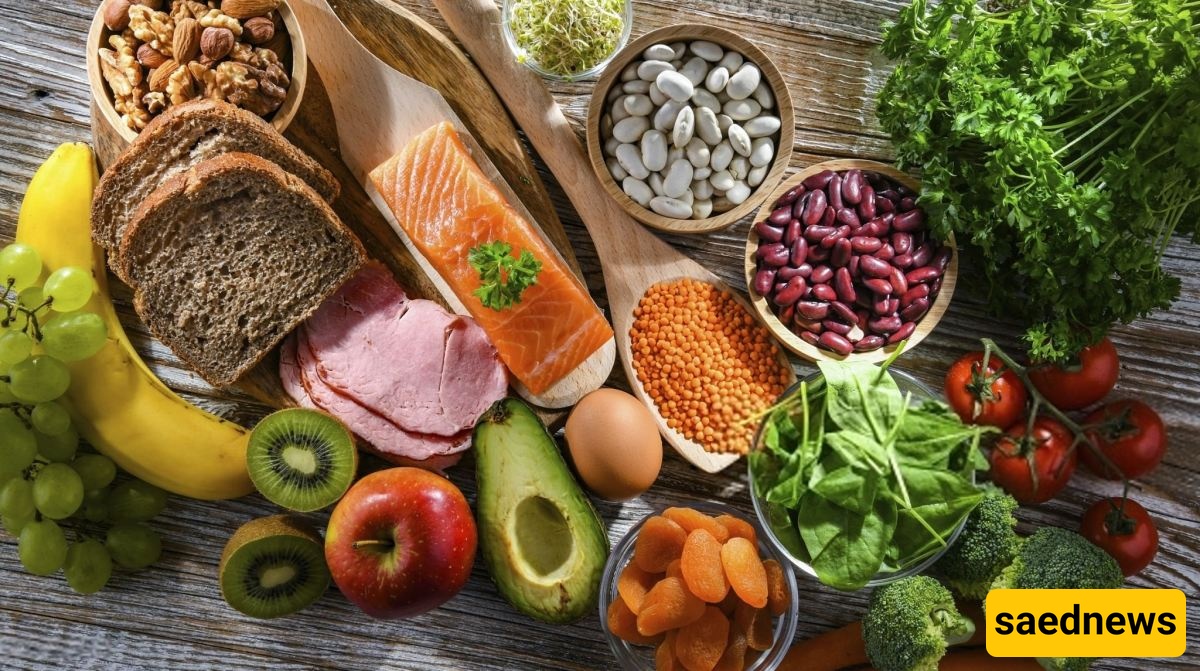
The Mediterranean diet is widely recognized as a healthy eating pattern that may help reduce chronic inflammation and support cardiovascular and metabolic health.
It emphasizes:
Plenty of fruits and vegetables
Whole grains
Beans, lentils, and other legumes
Fish and seafood
Extra-virgin olive oil
Nuts and seeds
It also encourages limiting processed meats, excess red meat, sugary foods, and highly processed products.
Although research on the Mediterranean diet specifically as a treatment for herniated discs remains limited, this eating pattern offers a practical foundation for long-term health and weight management.
The nucleus pulposus of an intervertebral disc contains a substantial amount of water, which helps it maintain its normal properties. Adequate hydration supports general health, although drinking extra water has not been shown to reverse a herniated disc.
Drink water regularly throughout the day, adjusting your intake to your activity level, climate, and medical needs.
You do not need to change all your eating habits overnight. Start by adding more vegetables, replacing sugary drinks with water, and choosing healthier sources of fat. Small, sustainable changes are often easier to maintain.
Consult a doctor or registered dietitian before making major dietary changes or starting supplements, particularly if you have underlying medical conditions or take prescription medications.
Some supplements and foods can interact with medications, so individualized advice is important.
Excess body weight can contribute to mechanical stress on the spine and may aggravate lower back pain in some people.
A balanced diet combined with appropriate physical activity can help with gradual weight management. Even modest, sustainable weight loss may improve overall mobility and general health when excess weight is a contributing factor.
Large meals can cause discomfort and may aggravate symptoms in some individuals, but there is no strong evidence that eating large meals directly increases pressure on a lumbar disc in a way that worsens the herniation.
Choose meal sizes that feel comfortable and support your nutritional needs. There is no requirement to eat five or six small meals per day if your usual eating pattern works well for you.
Good nutrition works best as part of a broader approach to health. Poor sleep and chronic stress can affect pain perception, recovery, and overall well-being.
Aim for seven to nine hours of sleep per night for most adults, and consider relaxation techniques such as meditation, gentle breathing exercises, or other activities that help you manage stress.
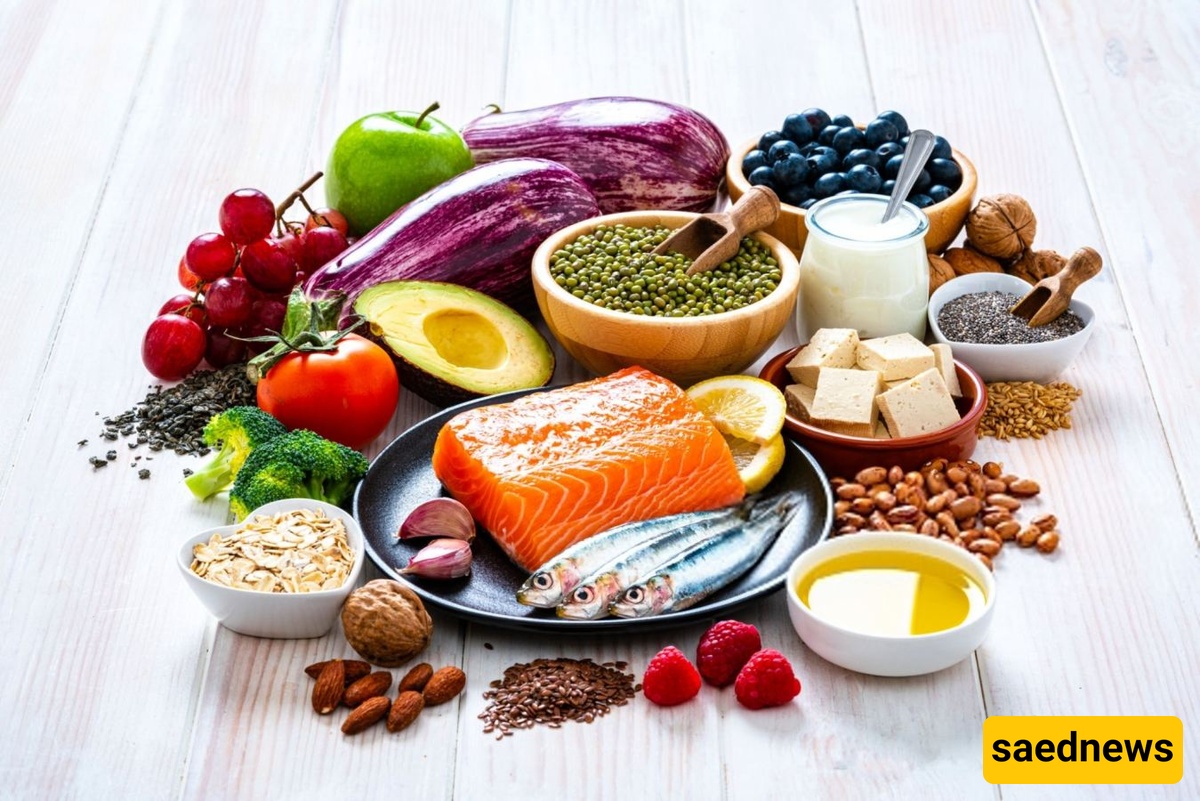
Proper nutrition can play a supportive role in managing a herniated lumbar disc and maintaining spinal health. Including foods such as fatty fish, olive oil, leafy greens, berries, nuts, and protein-rich foods can help provide essential nutrients and support the body's normal inflammatory and tissue-maintenance processes.
Adequate protein, vitamin C, and B vitamins help maintain connective tissue, muscles, and normal nerve function. At the same time, limiting excessive added sugars, unhealthy fats, and highly processed foods can contribute to better overall health.
However, diet alone cannot cure a herniated lumbar disc or reliably restore damaged disc tissue. Nutrition is best viewed as one part of a comprehensive management plan that may include medical care, physical therapy, appropriate exercise, and lifestyle modifications.
Make dietary changes gradually, pay attention to your individual needs, and consult a qualified healthcare professional when necessary. A sustainable, balanced eating pattern can support not only your lower back health but also your long-term well-being.
We hope this guide has helped you better understand the relationship between nutrition and lumbar disc health. If you have questions about your diet or experience with managing lower back pain, consider discussing them with your healthcare professional.