SAEDNEWS: Avocado is a valuable horticultural crop cultivated in tropical and subtropical regions. Various pests can cause damage to its leaves, branches, flowers, fruits, and seeds.
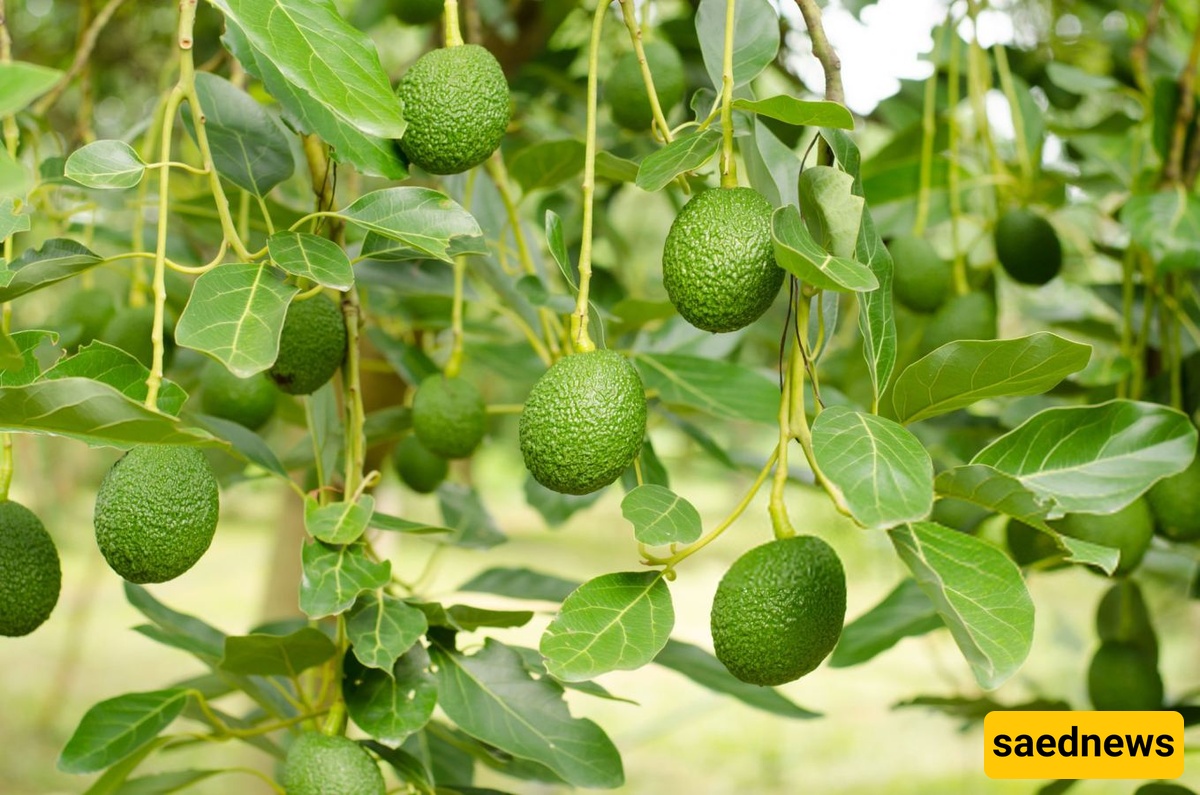
According to Saednews, The avocado tree (Persea americana) is recognized as a valuable and highly sought-after horticultural crop in global markets. Its fruit has earned an important place in household diets because it contains beneficial fatty acids, vitamins, minerals, and antioxidant compounds. This high economic value has led to a significant expansion of avocado cultivation in tropical and subtropical regions, including parts of Iran, in recent years.
However, growing avocados successfully is nearly impossible without understanding their pests and diseases. Avocado pests can damage the leaves, branches, flowers, fruit, and even the seeds of the tree. If left unmanaged, they can cause serious losses for growers. Some pests are highly specialized and feed primarily on avocado, while others are polyphagous pests that also attack a wide range of other horticultural crops.
This article introduces the most important pests affecting avocado trees and outlines practical control strategies based on the principles of Integrated Pest Management (IPM). The goal is to help growers minimize pesticide use through continuous monitoring, biological control, and proper cultural practices while producing healthy, high-quality fruit.
Avocado is an evergreen tree that can produce leaves, flowers, and fruit throughout the year. This characteristic allows pests to remain established on the tree and maintain their populations across different seasons. Unlike many fruit trees with a clearly defined winter dormancy period, avocados in warm and humid climates continue growing almost continuously. This can shorten pest life cycles and accelerate reproduction.
Furthermore, many avocado pests do not cause obvious damage during the early stages of infestation. For example, mites and thrips may remain active on the undersides of leaves for an extended period. Symptoms such as leaf drop, fruit deformation, or reduced yield may only become noticeable after pest populations reach economically damaging levels.
Therefore, early detection and regular monitoring are essential for successful avocado pest management.
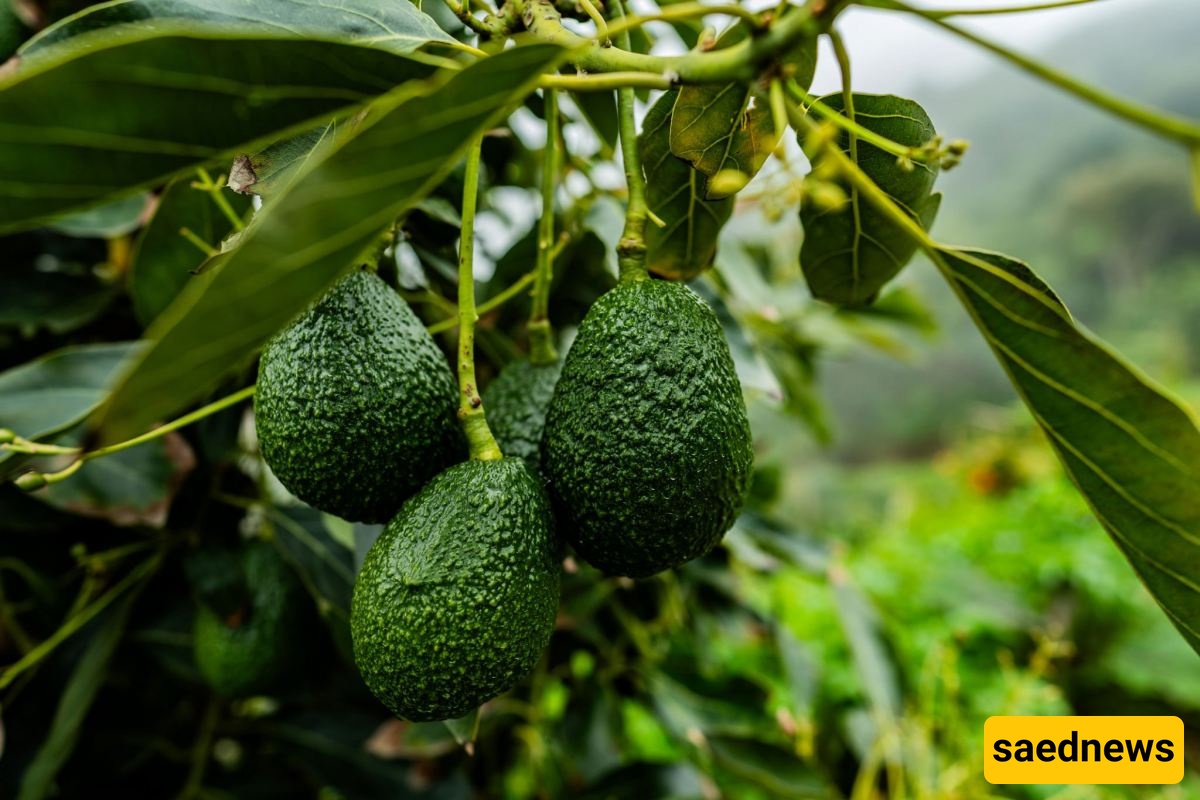
Avocado thrips are among the most damaging pests of avocados in warm and dry regions. Adult thrips and nymphs feed by sucking cell contents from young fruit and leaves. One of the most noticeable symptoms is the development of brown or silvery scars on the fruit skin, which can cause deformation and reduce the commercial value of the crop. Infested leaves may also develop superficial lesions and eventually fall.
Managing avocado thrips requires careful monitoring with blue or yellow sticky traps. Natural enemies such as predatory mites and predatory bugs, combined with mineral oils and insecticidal soaps, can effectively reduce pest populations.
The persea mite is a specialized avocado pest that feeds on the undersides of leaves. Feeding can cause yellow or brown spots, leaf drop, and reduced photosynthesis. Severe infestations can significantly reduce tree productivity.
Control strategies focus on conserving natural enemies, reducing dust around the orchard, and using selective miticides when necessary. Proper irrigation and maintaining suitable environmental humidity can also help reduce mite populations.
The avocado lace bug is a small insect that feeds on leaf sap, causing leaves to become yellow or pale and eventually drop. It is more commonly observed in areas with relatively high humidity and moderate temperatures.
Management includes removing heavily infested leaves, pruning dense branches to improve air circulation, and using lower-risk products such as insecticidal soaps. In severe cases, mineral oils may be applied early in the season.
Soft scales, armored scales, and mealybugs are sap-feeding pests that can colonize branches, leaves, and fruit. Their production of honeydew encourages the development of sooty mold, which reduces the appearance and quality of the fruit.
Management begins with cultural practices such as pruning infested branches and applying horticultural oils during the dormant or winter period. Biological control using lady beetles and parasitoid wasps is also an effective strategy for suppressing these pests.
Aphids and whiteflies feed on plant sap and can cause leaf curling, general tree weakness, and, in some cases, the transmission of plant viruses. Heavy infestations may severely restrict the growth of young avocado trees.
Effective measures include using yellow sticky traps, removing weeds that serve as alternative hosts, and conserving or releasing beneficial insects such as lady beetles and lacewings.
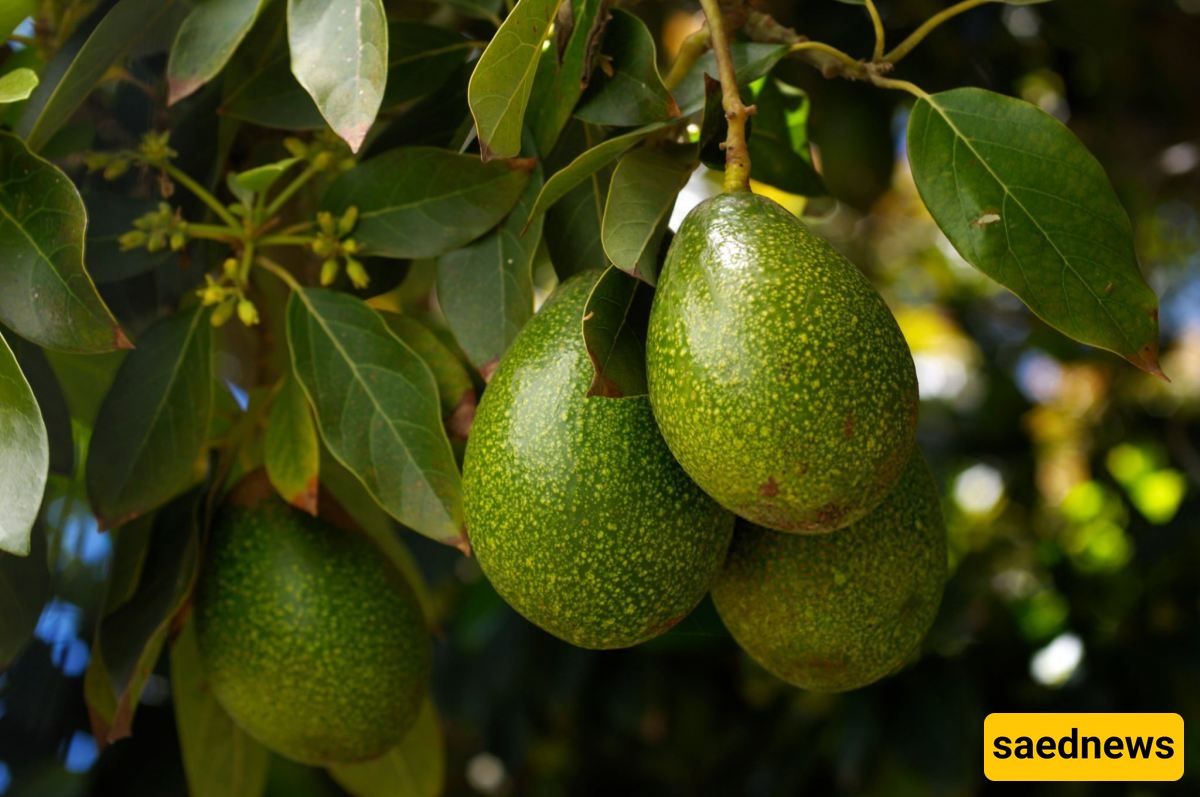
Certain moths and their larvae attack avocado fruit and stems. Larvae may bore into the fruit, causing internal damage, decay, and premature fruit drop. In some species, larvae feed on stems and can seriously damage or even kill young trees.
Management measures include collecting and destroying fallen fruit, protecting fruit with paper bags where practical, and using pheromone traps. Biological control with Bacillus thuringiensis can also be effective against young larvae.
The avocado seed weevil is an important avocado pest in parts of Latin America. Its larvae develop inside the fruit seed. Infested fruit may drop prematurely and become unsuitable for sale.
Control measures include quarantine practices, removal and destruction of infested fruit, and the use of appropriate food-based traps.
Fruit flies lay their eggs on ripening fruit, and the resulting larvae feed inside the fruit, damaging the flesh. Protein-based attractant traps, bait sprays, and timely harvesting are among the main methods used to manage these pests.
Leafcutter ants can completely remove young leaves from seedlings and young trees. Snails can also damage leaves and fruit close to the ground, particularly under moist conditions.
Management generally relies on mechanical control, appropriate bait products, and measures that reduce excessive surface moisture within the orchard.
Integrated Pest Management is a comprehensive approach that combines cultural, biological, mechanical, physical, and chemical methods in a coordinated manner. Its main objectives are to reduce pesticide use, conserve beneficial organisms, and produce healthy crops at a reasonable cost.
The first step in managing avocado pests is correctly identifying the pest species and determining its population level. Weekly orchard inspections, the installation of colored sticky traps, and the use of a hand lens to examine the undersides of leaves can help growers detect infestations before pest populations become difficult to manage.
Orchard sanitation: Collecting and properly disposing of infested fruit and leaves can interrupt pest life cycles.
Proper pruning: Removing overcrowded branches improves air circulation and light penetration, creating less favorable conditions for pests such as lace bugs.
Balanced nutrition: Excessive nitrogen fertilization can promote soft vegetative growth that is particularly attractive to aphids and thrips.
Proper irrigation: Drip irrigation and careful moisture management can help reduce problems associated with mites and snails.
Mulching: Mulch can suppress weeds that serve as alternative pest hosts while improving soil conditions.
Conserving and supporting natural enemies is a cornerstone of sustainable pest management. Lady beetles, parasitoid wasps, predatory mites, lacewings, and insect-pathogenic fungi such as Beauveria bassiana and Metarhizium anisopliae can play important roles in reducing pest populations.
Minimizing the use of broad-spectrum insecticides is essential for the success of biological control programs because these chemicals can also kill beneficial organisms.
Sticky traps, protective nets, fruit bagging, and manual removal of pests are low-cost and environmentally friendly methods. These approaches can be particularly useful in small orchards and home gardens.
Chemical control should be considered a last resort within an Integrated Pest Management program. Pesticides should only be used when monitoring indicates that pest populations have reached an economically damaging level. Whenever chemical treatment is necessary, growers should select registered products appropriate for avocado, follow the label instructions carefully, and choose selective options that minimize harm to pollinators and natural enemies.
A successful avocado pest management program depends on early detection, regular monitoring, orchard sanitation, biological control, and careful use of pesticides. By combining these strategies, growers can reduce pest-related losses while maintaining tree health, fruit quality, and environmental sustainability.