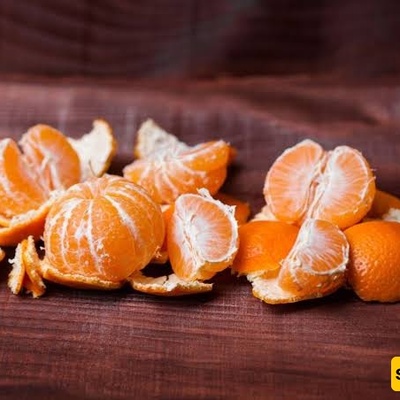
SAEDNEWS: Tangerine peel is rich in fiber, vitamin C, flavonoids, and limonene. In this article, you’ll learn about the most important benefits of tangerine peel, ways to consume it, and essential precautions.

According to Saednews, Tangerines are among the most popular fruits of the cold season, known for their sweet-and-tart flavor, juicy texture, and pleasant aroma. Most people throw away the peel after eating the fruit. However, tangerine peel is not simply waste. It contains a range of beneficial compounds and has long been used in traditional practices, while modern research has also examined its nutritional and antioxidant properties.
The potential uses of tangerine peel range from supporting a healthy diet and digestion to skincare, household cleaning, and natural fragrance. In this article, we explore its major benefits, practical ways to use it, how to prepare tangerine-peel tea, and important safety considerations.
Tangerine peel consists mainly of two layers: the colorful, aromatic outer layer and the white, spongy inner layer. The outer layer contains essential oils and aromatic compounds responsible for the fruit's characteristic fragrance. The inner layer contains fiber and various antioxidant compounds.
Important compounds found in tangerine peel include:
Limonene: An aromatic compound with antioxidant and anti-inflammatory properties.
Flavonoids: Including hesperidin and naringin, which have been studied for their potential role in inflammation and cardiovascular health.
Vitamin C: An essential nutrient for immune function and skin health.
Pectin: A type of soluble fiber that supports digestion and may help regulate blood sugar.
Carotenoids: Antioxidant compounds that help protect cells from oxidative stress.
Minerals: Including potassium, calcium, and magnesium.
Because of these compounds, citrus peels have traditionally been used as food ingredients, herbal preparations, and natural household products.

One of the commonly cited benefits of tangerine peel is its nutritional contribution to immune health. It contains vitamin C and other antioxidant compounds that help protect cells from oxidative stress.
Free radicals can damage cells, while antioxidants help neutralize them. A moderate amount of tangerine-peel tea can therefore be a flavorful, warming addition to a balanced diet during the colder months.
However, tangerine peel should not be considered a substitute for medical treatment. Its role is best viewed as part of an overall healthy diet and lifestyle.
Tangerine peel contains dietary fiber, which can support normal bowel function and may help with constipation. Its pectin content can also act as a prebiotic, providing nourishment for beneficial gut bacteria.
A healthy balance of gut bacteria contributes to normal digestion and nutrient absorption and may help reduce digestive discomfort.
In traditional medicine, preparations made from citrus peel have been used to soothe the stomach and reduce indigestion and intestinal gas. People with acid reflux, however, may need to use citrus products cautiously.
Flavonoids and limonene found in tangerine peel have been studied for antioxidant and anti-inflammatory activity. Laboratory research has also investigated citrus-peel extracts for their potential effects against certain microorganisms.
These findings help explain why citrus peels have traditionally been incorporated into natural preparations. However, laboratory findings do not necessarily mean that the same effects will occur in humans.
The antioxidants in tangerine peel may help protect the skin from oxidative stress. Vitamin C is also important for collagen production, a process involved in maintaining skin structure and elasticity.
Some people use dried tangerine peel powder in homemade face masks. For example, dried peel can be ground and mixed with yogurt or honey, applied for around 10–15 minutes, and then rinsed with lukewarm water.
Because citrus products can irritate sensitive skin, always perform a small patch test before applying such preparations more broadly.
Tangerine peel contains fiber, which can contribute to feelings of fullness. Including fiber-rich foods in a balanced diet may support appetite management.
Compounds such as limonene and flavonoids have also been investigated for their possible effects on metabolism, but these findings should not be interpreted as evidence that tangerine-peel tea directly causes weight loss.
Sustainable weight management depends primarily on overall dietary habits, physical activity, sleep, and other lifestyle factors.
Potassium is an important mineral involved in normal blood-pressure regulation. Tangerine peel also contains flavonoids such as hesperidin and naringin, which have been studied for their potential effects on blood vessels, inflammation, and oxidative stress.
The pectin fiber in citrus peel may also contribute to healthy cholesterol levels as part of a fiber-rich diet.
These potential benefits should be considered alongside an overall healthy eating pattern and regular physical activity rather than as effects of the peel alone.

Tangerine peel contains antioxidants that can help combat oxidative stress. Oxidative stress is associated with several chronic conditions, including cardiovascular disease and metabolic disorders.
Laboratory studies have investigated compounds such as limonene and citrus flavonoids for their effects on abnormal cells. However, laboratory results do not establish that eating tangerine peel can prevent or treat cancer or other diseases in humans. More human research is needed.
For this reason, tangerine peel should be viewed as a potentially nutritious food ingredient, not as a medical treatment.
Tangerine peel contains volatile aromatic compounds that produce its characteristic citrus fragrance. The aroma can make the environment feel fresh and pleasant.
A simple way to enjoy the aroma is to place a few pieces of peel in hot water and allow the fragrance to disperse. Tangerine-peel tea can also provide a warm and soothing beverage when you have a sore or irritated throat.
Steam inhalation should always be done carefully to avoid burns, and it should not be regarded as a treatment for respiratory infections.

The fresh citrus aroma of tangerine peel is widely appreciated in aromatherapy. Essential oils derived from citrus peels have been studied for their possible effects on mood and relaxation.
You can use dried peel as a natural fragrance, place it in a small sachet, or allow its aroma to spread through the home. These uses are primarily intended to create a pleasant environment rather than treat anxiety or other medical conditions.
The pectin and other dietary fiber in tangerine peel may slow the absorption of carbohydrates during digestion. Dietary fiber is generally associated with better blood-glucose regulation when consumed as part of a balanced diet.
However, people with diabetes should not rely on tangerine peel or tangerine-peel tea to control blood sugar. Anyone taking diabetes medication should discuss regular use of concentrated herbal preparations with a healthcare professional and avoid adding large amounts of sugar or honey.

Some compounds in citrus peel have demonstrated antibacterial activity in laboratory research. Traditionally, diluted citrus-peel preparations have been used as a mouth rinse.
However, citrus fruits and their peels contain natural acids. Frequent exposure to concentrated acidic preparations may contribute to dental enamel erosion.
If you consume citrus-peel preparations, rinse your mouth with plain water afterward and avoid excessive or highly concentrated use.
Tangerine peel can also be useful around the home:
Natural air freshener: Place fresh or dried peel in a refrigerator, closet, or car to provide a pleasant citrus aroma.
Household cleaner: Soaking citrus peel in white vinegar can produce a citrus-scented cleaning solution suitable for some household surfaces.
Insect deterrent: Some insects may avoid strong citrus aromas, so dried peel can be placed in small sachets.
Skincare ingredient: Dried peel powder can be combined with ingredients such as honey or yogurt for a homemade mask.
Hair care: A diluted preparation made from tangerine peel can be used as a fragrant hair rinse.
Wash the peel thoroughly, preferably using fruit from a reliable source. Dry it in a clean, dry place away from direct moisture.
Add about one teaspoon of dried peel to a cup of boiling water and steep for 5–10 minutes. For flavor, you can add a small amount of honey, cinnamon, ginger, or fresh mint.
One or two cups per day is a reasonable moderate amount for most people.
Dry the peel thoroughly and grind it into a fine powder. Small amounts can be added to yogurt, smoothies, soups, or other foods.
This provides a simple way to incorporate the peel's fiber and plant compounds into your diet.
Place a few pieces of peel in hot water and allow the aroma to spread through the room. Dried peel can also be placed near a safe heat source to release its fragrance.
Take care when working with boiling water and hot steam.

If using tangerine essential oil, dilute it appropriately with a carrier oil before applying it to the skin. Do not apply concentrated essential oil directly to the skin unless the product's instructions specifically indicate that it is safe.
Tangerine-peel powder can be mixed with ingredients such as yogurt, honey, or rose water to create a homemade face or body mask.
Always perform a patch test first, particularly if you have sensitive skin.
Wash thoroughly: Citrus peels can contain pesticide residues. Wash the fruit carefully, and consider using organically grown fruit if you intend to consume the peel.
Use in moderation: Large amounts of peel or concentrated preparations may cause stomach irritation, heartburn, or digestive discomfort.
Citrus allergies: People who are allergic or sensitive to citrus fruits should avoid consuming tangerine peel.
Medication interactions: If you take blood thinners, blood-pressure medication, diabetes medication, or other prescription medicines, consult a healthcare professional before regularly consuming concentrated tangerine-peel preparations.
Pregnancy and breastfeeding: Moderate amounts of diluted tea are generally considered different from concentrated extracts or essential oils. High-dose preparations should be discussed with a healthcare professional.
Children: Any tangerine-peel tea given to children should be weak and offered only in small amounts.
Not a medical treatment: The potential benefits described here do not replace professional diagnosis or medical treatment.

Tangerine peel, which is often discarded, contains dietary fiber, vitamin C, flavonoids, limonene, and other antioxidant compounds. It can be used in a variety of ways, from tea and food ingredients to natural fragrances and household applications.
While tangerine peel should not be considered a cure for disease, it can be a practical and inexpensive way to make use of a normally discarded part of the fruit. After washing the peel thoroughly, it can be dried and used as tea, powder, or a natural fragrance.
As with any food or herbal preparation, moderation and appropriate precautions are important.