SAEDNEWS: Cream splitting occurs when the balance between fat and protein is disrupted. Over-whipping, heat, acidity, and salt can all cause it to lose its proper texture.
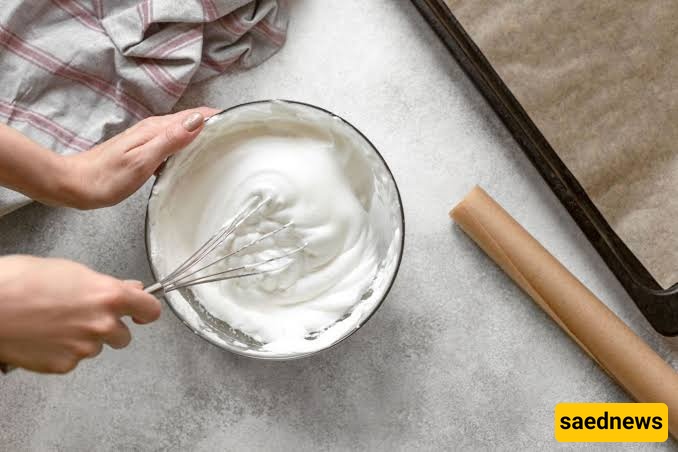
According to Saednews, In this article, we take a detailed look at why cream splits, the difference between cream splitting from over-whipping and splitting caused by heat or acid, the role of fat and protein, the warning signs that appear before things go wrong, and practical ways to rescue cream once it has split.
First, it is important to clear up a common point of confusion. In everyday language, “split cream” can refer to two different phenomena, and they have completely different causes.
Case 1: Cream splitting from over-whipping.
In this situation, cream that was supposed to become whipped begins separating its fat. Its texture becomes rough and grainy, and eventually it turns into butter and a watery, buttermilk-like liquid.
Case 2: Cream splitting because of heat, acid, or salt.
Here, the cream separates while being added to a sauce, soup, or cooked dish. Small white or yellow curds appear, while the surface of the dish becomes grainy and watery.
These two problems result from two very different changes in the structure of cream. The first is related to the behavior of fat globules, while the second is mainly related to proteins. As a result, each requires a different approach to prevention and recovery.
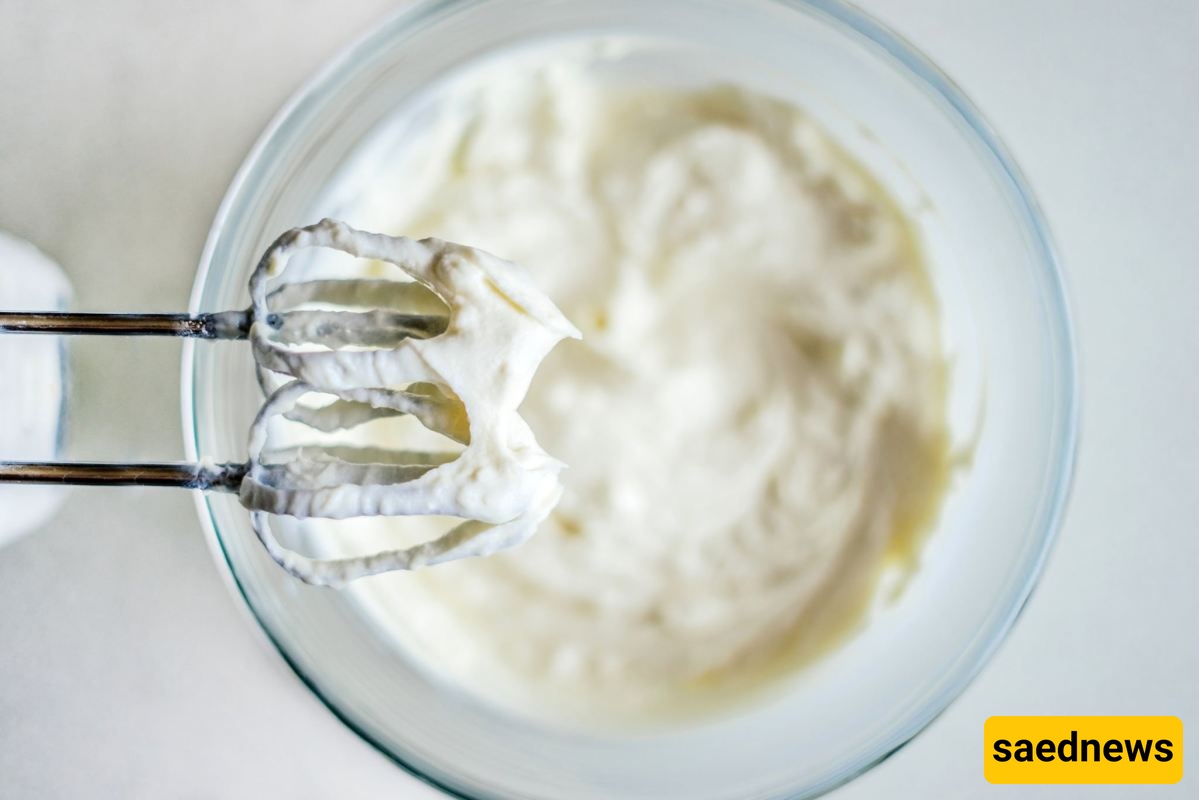
This type of splitting has a completely different mechanism and is primarily related to proteins rather than fat.
The effect of heat:
Casein normally carries a negative charge, which helps prevent the protein micelles from coming together. Intense heat increases molecular movement and reduces the water surrounding the proteins. If cream is added all at once to a boiling liquid, the casein proteins can stick together and form curds. This is what you see when a hot sauce breaks.
An important point is that higher-fat cream generally has greater resistance to heat. Fat acts as a protective barrier and helps shield proteins from direct exposure to heat. This is why low-fat cream tends to split much more quickly in hot sauces.
The effect of acid:
Ingredients such as lemon juice, vinegar, verjuice, tomatoes, wine, or pomegranate molasses lower the pH of cream. As the pH approaches casein’s isoelectric point, around 4.6, the electrical charge of the protein micelles is neutralized, causing the proteins to coagulate. This is essentially the same basic mechanism used when making cheese.
The effect of salt and spices:
Salt releases sodium and chloride ions, which can shield the surface charges of proteins and reduce the stability of the emulsion. Grainy spices and acidic powders, such as sumac or curry powder, can intensify this effect.
The type of cream you choose can have a major impact on how it behaves.
Heavy cream (around 35–40% fat):
This is generally the best choice for whipping, although it can split if over-whipped and may become unstable when exposed to prolonged heat.
Breakfast cream or low-fat cream:
This type is not ideal for whipping and can split quickly when heated. It is more commonly used with cereals or in cold preparations.
Sterilized or UHT cream:
The intense heat treatment used during production denatures whey proteins and changes their structure. This type of cream often contains stabilizers and emulsifiers, so it tends to resist splitting for longer, although its whipped texture can be lighter and more fragile.
Homogenized cream:
Homogenization makes the fat droplets much smaller and causes proteins to accumulate around their surfaces. As a result, homogenized cream can be more difficult to whip and may produce a weaker structure when whipped. For this reason, professional pastry applications may favor cream with characteristics better suited to whipping.
If you want to control just one factor when whipping cream, pay attention to temperature.
For the initial whipping stage, a temperature of roughly 2–7°C (36–45°F) is generally suitable. At this temperature, the fat globules are partially solid, their membranes remain flexible, and air can be effectively trapped within the developing fat network.
If the cream is excessively cold, close to freezing, the fat globules can become too firm, and mechanical agitation may damage their membranes. If the cream is too warm, above about 10°C (50°F), the fat becomes softer, air bubbles become less stable, and the cream can move more quickly toward over-whipping and separation.
A practical approach is to refrigerate the mixing bowl and beaters for about 30 minutes beforehand and use the cream directly from the refrigerator. If you are working in a warm kitchen, place the mixing bowl over a larger bowl filled with ice and water.
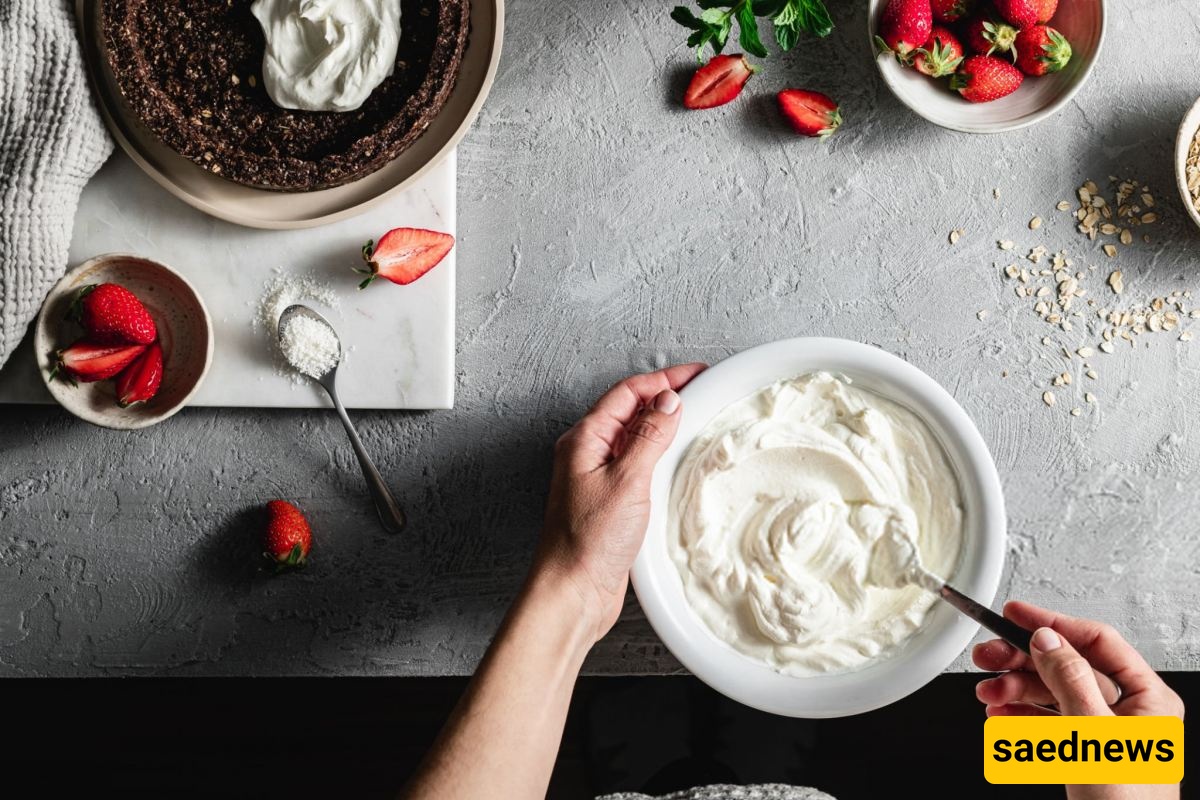
To produce stable whipped cream, follow this sequence:
Step 1: Take the cream directly from the refrigerator. Set the mixer to its lowest speed and whip for one to two minutes to incorporate larger air bubbles.
Step 2: Increase the speed to medium. Gradually add the sugar from the side of the bowl. Adding a large amount of sugar all at once can affect the structure and stability of the mixture.
Step 3: As soon as the whisk leaves visible lines on the surface, reduce the speed and continue for another 10–20 seconds until the texture becomes even and smooth.
For soft peaks: Stop whipping as soon as the cream thickens and the peaks bend over. This texture is ideal for folding into other ingredients.
For stiff peaks: Continue whipping slightly longer until the whisk creates firm, pointed peaks. Do not continue beyond this stage, as the cream can quickly begin to separate and turn grainy.