SAEDNEWS: Ready-to-eat popcorn must stay dry and crispy after popping, as even the slightest moisture from the environment can make it rubbery and lower its quality.
According to Saednews, Popcorn is one of those foods that looks simple, but its quality depends heavily on one sensitive factor: moisture. If the kernels become too dry, they will not pop properly and the resulting popcorn will have less volume. On the other hand, if the kernels are stored in a warm or humid environment, their popping quality can deteriorate, and prolonged storage may increase the risk of unpleasant odors and mold.
Ready-to-eat popcorn is almost the exact opposite. Once popped, it needs to remain dry and crispy. Even a small amount of moisture from the surrounding environment can make it soft, chewy, and low in quality.
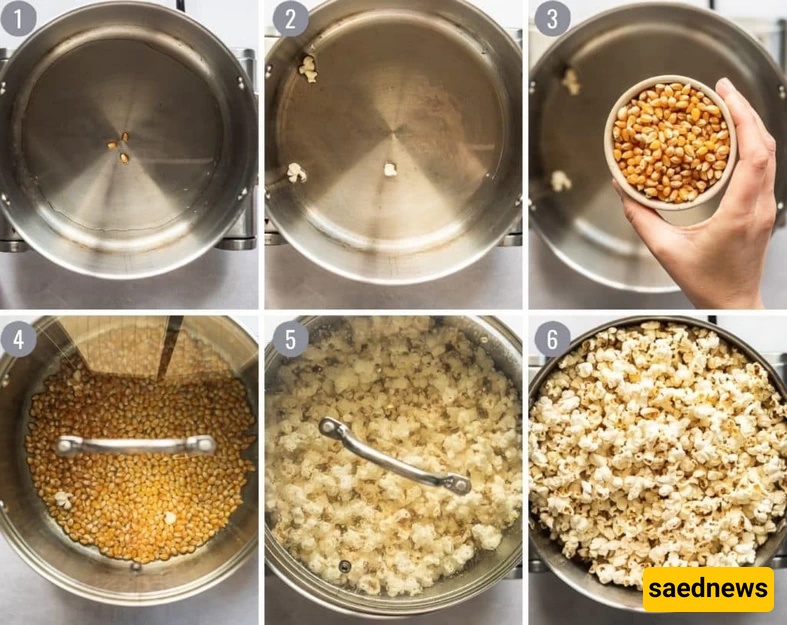
The secret behind popcorn's ability to pop lies in the small amount of water trapped inside each kernel.
When the kernel is heated, the water inside turns into steam. Pressure builds up until the outer shell breaks, allowing the heated starch to expand rapidly and produce the familiar fluffy popcorn.
For this reason, kernels that have become too dry may not produce enough steam. They may pop late, pop only partially, or fail to pop at all.
On the other hand, kernels that have absorbed too much moisture may produce heavy, less-expanded popcorn rather than a light and fluffy result. Excess moisture can also increase the risk of unpleasant odors and spoilage during long-term storage.
In practical terms, proper storage means keeping the kernels within an appropriate moisture range while avoiding major fluctuations in temperature and humidity.
Storage Method | Approximate Shelf Life | Advantages | Disadvantages | Best Use |
|---|---|---|---|---|
Room temperature, original packaging | 1–2 weeks | Easy and requires no special equipment | Becomes stale more quickly | Short-term, everyday use |
Airtight container at room temperature | 2–3 weeks | Better protection from moisture and air | Requires a suitable container | Storing a moderate amount of kernels |
Refrigerator | Not recommended | Very few benefits | Can contribute to moisture problems and quality loss | Generally avoid |
Freezer for raw kernels | 1–3 months | Longer storage life | Requires freezer space; texture may change slightly | Long-term storage of raw kernels |

If you buy packaged popcorn kernels, the brand and production date are important not only for freshness but also for the quality of the packaging seal.
A package that has already been opened or exposed to moisture may produce a high percentage of unpopped kernels even if the expiration date is still valid.
If you buy popcorn kernels in bulk, pay attention to their appearance. Healthy kernels are generally more uniform, relatively shiny, and free from excessive breakage.
Broken kernels lose moisture more quickly during storage and are also more likely to burn or turn into residue during popping.
When purchasing kernels in large quantities, it is a good idea to sift them at the beginning to remove dust and small fragments. These small particles can develop unpleasant odors and may also increase the risk of burning and producing smoke.
This is the most common and simplest storage method.
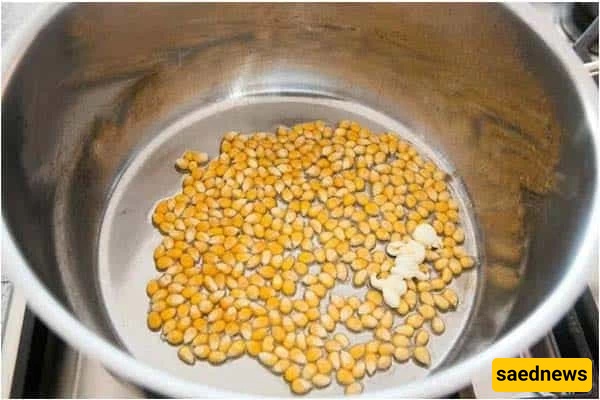
Keep the kernels in a cool, dry cabinet away from direct sunlight and sources of heat, such as a stove, oven, or heater.
Moisture and heat are among the biggest enemies of popcorn quality.
Always seal the original package tightly.
If the package cannot be resealed properly, transfer the kernels to an airtight plastic or glass container. This helps prevent moisture from entering and keeps the kernels' internal moisture more stable.
The short answer is: No, it is better to avoid it.
A refrigerator contains moisture, and exposure to moisture can quickly make popcorn soft, stale, and chewy. It loses its crisp texture, and its flavor may also change.
For both popped popcorn and raw kernels, a cool, dry storage area at room temperature is usually a better choice.
If you have a large quantity of raw popcorn kernels and want to store them for a longer period, freezing can be a useful option.
Place the kernels in a sturdy freezer bag or airtight container and remove as much excess air as possible. Then place the container in the freezer.
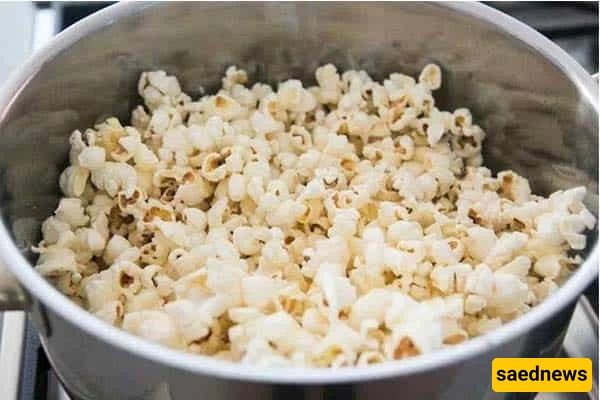
There is generally no need to thaw the kernels first. You can place them directly into a popcorn maker or onto the stovetop.
For raw popcorn kernels, the best option is a tightly sealed, moisture-resistant container. The goal is to keep the moisture inside the kernels relatively stable and prevent excessive exchange with the surrounding air.
Good options include:
Glass jars with tight-fitting lids
Food-grade plastic containers with intact seals
Metal containers with secure lids
If you prefer to use bags, thick resealable freezer or storage bags are better than ordinary thin plastic bags. However, they are still generally more permeable than glass or properly sealed containers.
The important point is not simply the type of container, but whether it actually provides a reliable airtight seal. In many homes, the problem is not the kernels themselves but a poorly sealed container that allows air and moisture to move in and out over time.
The ideal storage location is cool, dry, and away from direct light.
Heat can accelerate moisture movement inside the kernels and may also increase the likelihood of unpleasant odors developing over time.
For this reason, avoid storing popcorn:
Next to the stove
Above a kitchen cabinet close to the range hood
Inside cabinets directly above the sink
Anywhere exposed to heat or steam
An interior cabinet away from heat sources or a cool, dry pantry is suitable for most homes.
If you live in a humid environment, avoid placing popcorn directly on the floor or near cold, damp walls. Temperature changes can cause condensation and introduce unwanted moisture.
In these conditions, a properly sealed container becomes even more important.
Many people put popcorn kernels in the refrigerator because they believe it will extend their shelf life. In practice, however, refrigeration can sometimes make popping quality worse.
The main issue is moisture and condensation.
When a cold container is removed from the refrigerator and opened, moisture from the surrounding air can condense on the kernels. Repeated temperature changes can make the kernels' moisture level unstable, potentially resulting in irregular popping or heavy, poorly expanded popcorn.
If you absolutely must store kernels in a very hot and humid environment, refrigeration may be less risky if the container is completely sealed and remains closed until it has returned to room temperature.
For most households, however, a cool cabinet and a tightly sealed container are the simpler and more stable choices.
Sometimes kernels become excessively dry, which can prevent them from popping properly.
A short-term method is to restore a small amount of moisture. The idea is to allow the kernels to gradually absorb a limited amount of water inside a sealed container until they return closer to an appropriate moisture level for popping.
One practical approach is to add a small amount of water to the container, shake it well so that the moisture spreads along the container walls rather than remaining directly on a large quantity of kernels, and then keep the container sealed for one to two days.
This method should be used for kernels intended for relatively soon consumption rather than long-term storage. Adding water without proper control can increase the risk of unpleasant odors and mold.
If the kernels still pop poorly after this process, moisture may not be the only problem. The original quality of the kernels or damage caused during storage may also be responsible.
If your popcorn has become soft, chewy, and has lost its crisp texture, it has gone stale.
Its flavor may also have changed slightly.
If popcorn has become soft because of moisture, you can often restore some of its crispness with short, controlled heating.
The goal is to reduce some of the excess moisture without overheating the popcorn.
A short period of gentle heating in the oven or on a pan is usually better than adding water or refrigerating the popcorn. Since moisture is the problem, adding more moisture will only make the situation worse.
Be careful not to heat the popcorn for too long, as prolonged heating can burn it and create an unpleasant smell.
Once the popcorn becomes crispy again, allow it to cool completely and then store it in an airtight container. This helps prevent moisture from getting back in and repeating the same problem.
Proper popcorn storage is largely about moisture management.
Raw kernels need to retain an appropriate amount of internal moisture to pop properly, while finished popcorn needs to stay dry to remain crisp. Keeping raw kernels in a cool, dry place inside a well-sealed container is usually the simplest solution.
For longer-term storage, freezing can be considered