SAEDNEWS: Turning up the heat can sometimes slow cooking rather than speed it up, especially when moisture, food thickness, or the cooking method limits heat transfer.
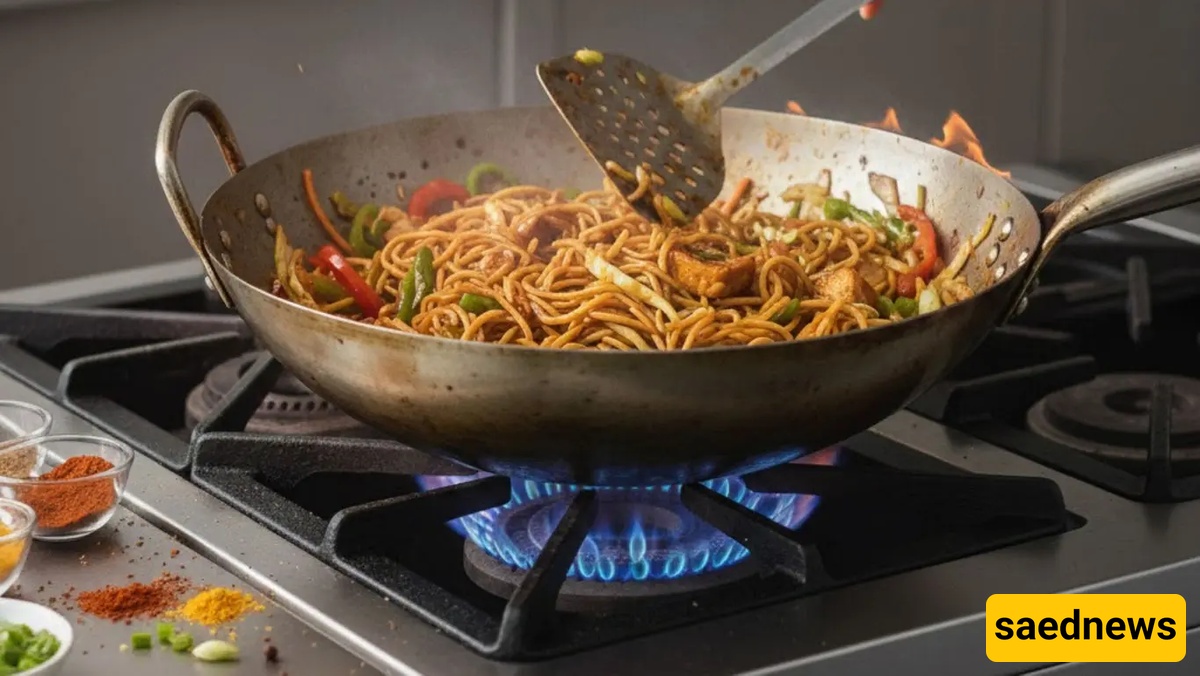
According to SAEDNEWS, increasing the heat does not automatically make food cook faster. Cooking speed depends on how efficiently heat moves from the pan, oven, or cooking surface into the food. Once the outside becomes very hot, simply adding more heat may cause browning or burning before the inside has had enough time to cook.
For many foods cooked with water, the temperature cannot keep rising indefinitely while liquid water is present at normal atmospheric pressure. Once water reaches its boiling point, additional energy mainly goes into changing liquid water into steam rather than dramatically increasing its temperature. This is why aggressively boiling a pot does not necessarily cook its contents proportionally faster than a steady simmer.
Food is often heated from the outside inward. A higher surface temperature can make the exterior cook quickly, but heat still needs to travel toward the center. Thick foods such as large pieces of vegetables, potatoes, or dense baked dishes may therefore need sufficient time even when the cooking surface is very hot.
Several factors influence cooking speed:
Food thickness: Thicker pieces generally take longer for heat to reach the center.
Moisture: Water can limit the temperature of moist cooking environments.
Heat transfer: The pan, oven, or cooking method determines how efficiently energy reaches the food.
Starting temperature: Food taken directly from a cold storage environment may require more time to heat through.
Cooking method: Simmering, baking, steaming, and pan-cooking transfer heat in different ways.
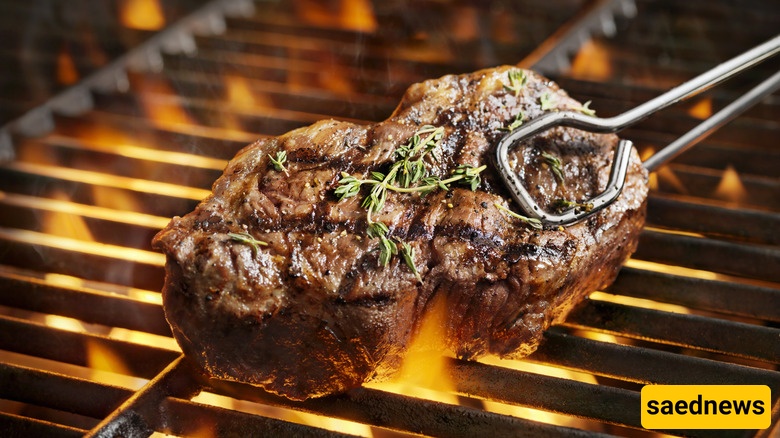
Excessive heat may also produce an uneven result. The surface can brown, dry out, or burn while the center remains undercooked. For delicate foods, controlling temperature can therefore be more effective than simply increasing it.
A better approach is to use enough heat to maintain the intended cooking conditions while allowing sufficient time for heat to reach the center. Higher heat can accelerate some parts of cooking, but it cannot eliminate the physical limits of heat transfer.