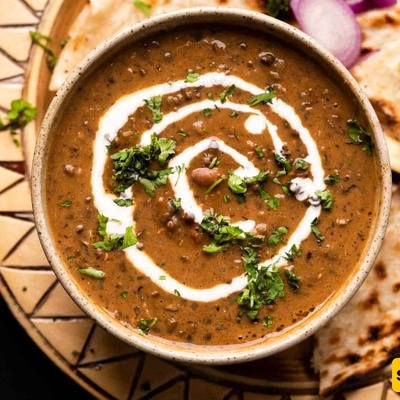
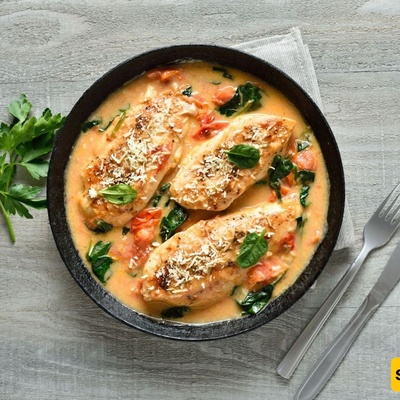
SAEDNEWS: Adding water during cooking can rescue dry food, control texture, and help ingredients cook evenly. However, adding too much water or adding it at the wrong stage can weaken flavors, make sauces watery, and affect the final texture.
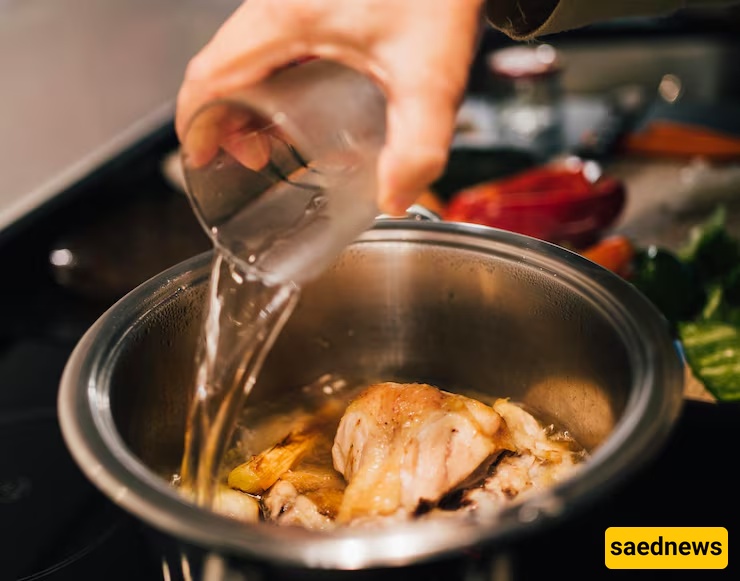
According to SAEDNEWS, adding water can be useful when a dish becomes too dry before the ingredients are fully cooked. A small amount of hot water can restore moisture and allow ingredients such as rice, vegetables, legumes, or stews to continue cooking without sticking to the pot. Adding water gradually is usually better than pouring in a large amount at once.
Hot water is often a better choice when liquid needs to be added during cooking. Cold water can suddenly lower the temperature of the dish and may slow the cooking process. Warm or hot water blends more smoothly with the existing liquid and helps maintain a more consistent cooking temperature.
Adding excessive water can dilute the natural flavors of a dish and leave sauces or stews thinner than intended. If the food already contains enough liquid, adding more may also prevent proper concentration of flavors. In such cases, it is better to add only a small amount of water when necessary and allow the dish to cook uncovered if excess moisture needs to evaporate.
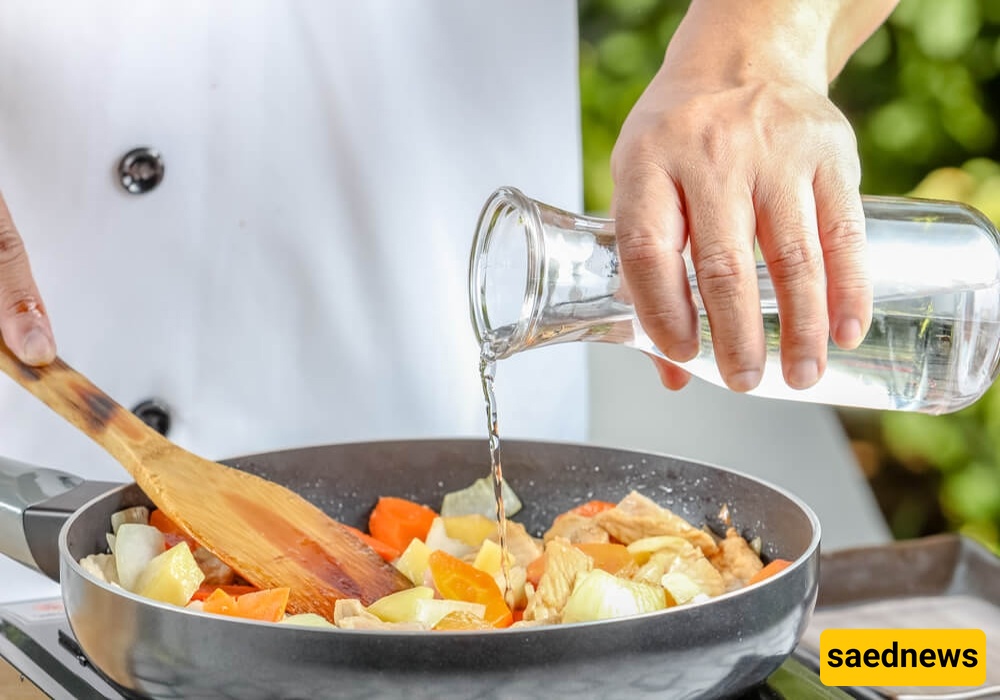
The stage of cooking matters as much as the amount of water. Adding water early can help tough ingredients soften, while adding a small amount later may prevent food from drying out. For dishes that depend on a thick final consistency, however, adding water near the end can make it difficult to achieve the desired texture.
The safest approach is to add water little by little while observing the food. Stir the dish, check its consistency, and add more only if needed. Using this gradual method helps preserve flavor, prevents excessive dilution, and gives better control over the final texture.