SAEDNEWS: Excessive foaming during cooking can be caused by proteins, starches, natural compounds, vigorous boiling, or impurities on the surface. Understanding these factors can help reduce unwanted foam and improve cooking results.
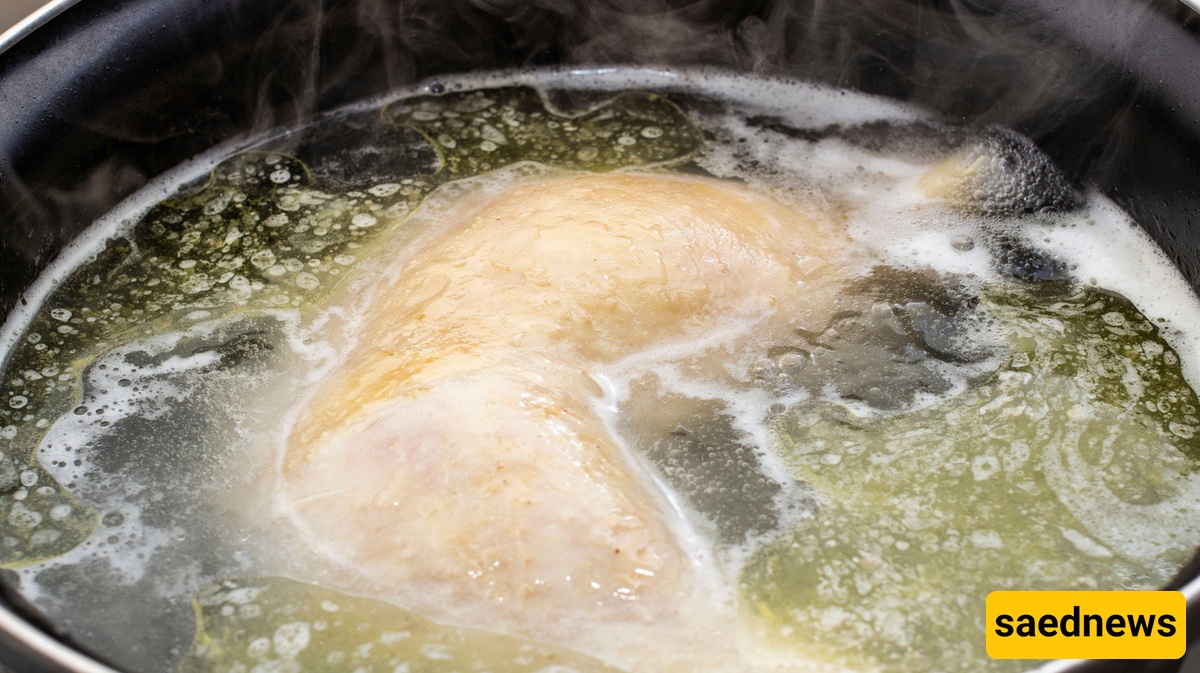
According to SAEDNEWS, some foods naturally produce more foam as they heat. The bubbles often form when proteins, starches, or other soluble compounds mix with water and trap air. Foods such as legumes, grains, and certain vegetables can therefore create a noticeable layer of foam during boiling.
Protein is one of the main contributors to persistent foam. As heat changes proteins, they can collect around air bubbles and make them more stable. Starch can have a similar effect by increasing the thickness of cooking water, allowing bubbles to remain on the surface for longer.
The intensity of boiling also matters. When food is cooked at a very high temperature, strong bubbling introduces more air into the liquid and can quickly increase foam. Lowering the heat once the liquid reaches a boil can reduce agitation and help keep the foam under control.
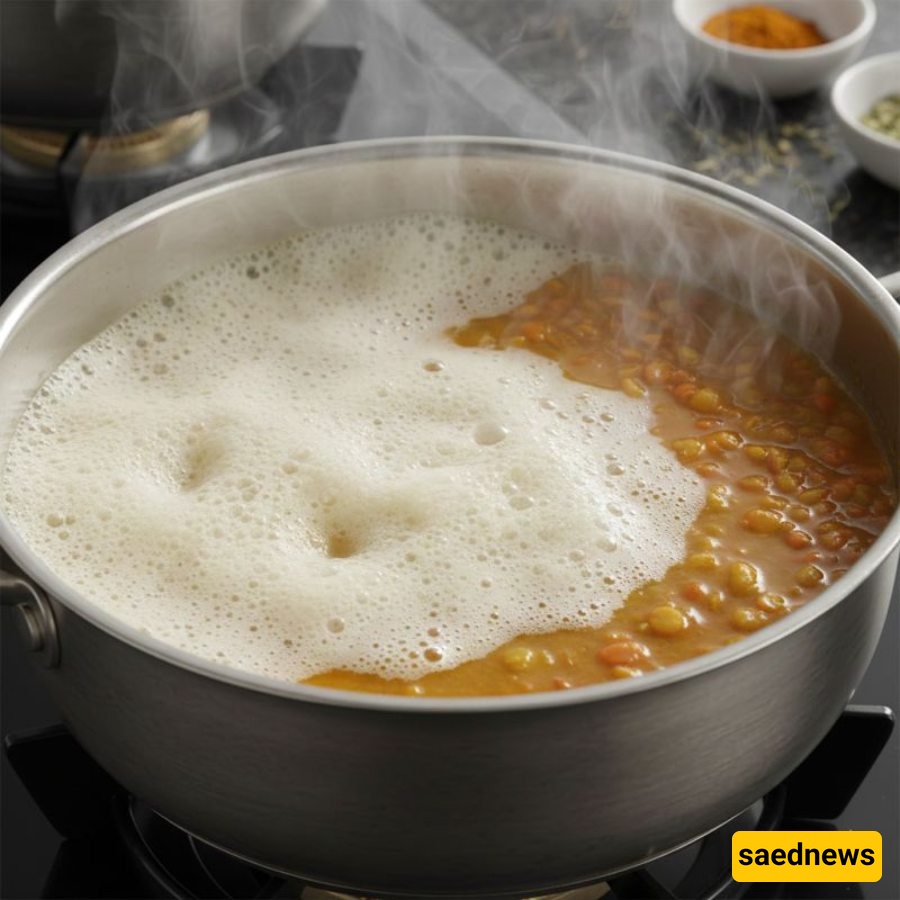
Some ingredients contain naturally occurring compounds that encourage foaming. Certain plant-based foods release soluble substances into the cooking water as they soften. Washing ingredients properly and removing excess surface residue before cooking may help reduce unnecessary foam in some cases.
A few simple adjustments can make cooking easier. Use a sufficiently large pot, avoid filling it too close to the top, and reduce the heat when vigorous boiling is unnecessary. Skimming the foam with a spoon can also help, particularly when cooking legumes or other foods that naturally release proteins and starches into the water.