SAEDNEWS: Israeli air strikes have killed and wounded Palestinians across the Gaza Strip in recent days, while continued bombardment and severe flooding have worsened the already dire humanitarian situation, affecting more than 220,000 people.
According to Saewdnews, At least two Palestinians were killed and several others injured when an Israeli drone attacked a group of people near the Abu Sharkh roundabout in western Jabalia refugee camp, northern Gaza, according to medical officials at al-Shifa Hospital.
The victims were transported to al-Shifa Medical Complex, where reports indicated that their bodies had suffered severe mutilation as a result of the strike.
The attack occurred amid an intensification of Israeli military operations across the Gaza Strip in recent days, including air raids and heavy artillery shelling, particularly in areas under the control of Israeli occupation forces.
However, the violence has extended beyond these locations. Israeli drones and military vehicles continue to fire frequently, leaving Palestinians throughout Gaza exposed to constant threats.
Israeli drones have also been dropping explosive devices onto the roofs of surviving buildings, both day and night. These attacks have particularly affected southeastern Gaza City, the Zeitoun neighbourhood and eastern areas of the Maghazi refugee camp.
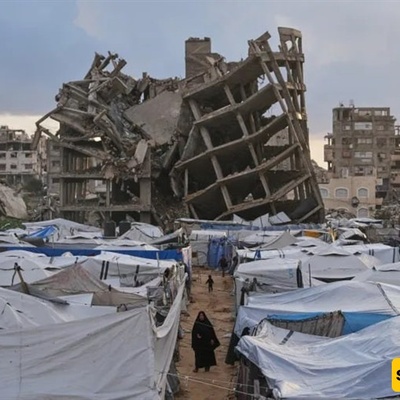
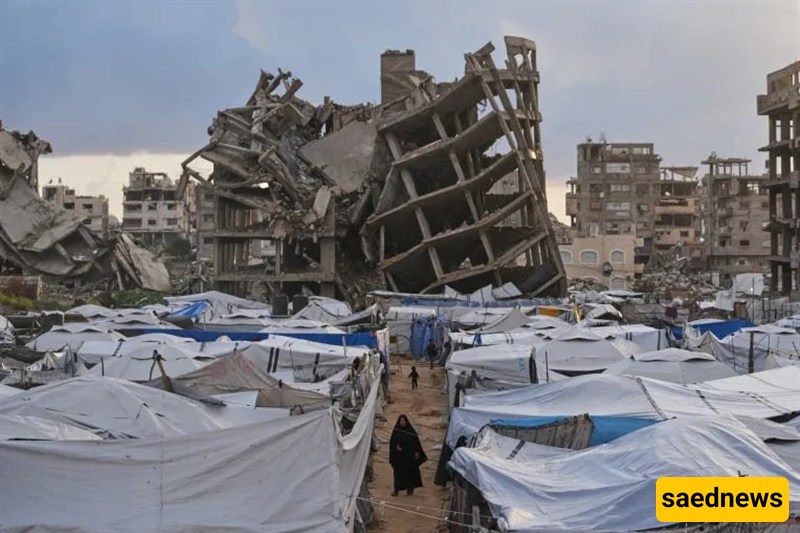
Meanwhile, Gaza's already devastating humanitarian situation has deteriorated further due to severe weather and recent flooding. Displaced families are struggling to secure adequate shelter as the winter season approaches.
UNICEF has warned that the amount of winter assistance reaching Gaza remains insufficient to meet the urgent needs of families whose temporary shelters were damaged or completely destroyed by last week's floods.
Speaking to Al Jazeera from Gaza City, UNICEF Palestine Communications Chief Toby Fricker said that although some humanitarian supplies, including tarpaulins, tents and winter clothing for children, were arriving, the quantities remained inadequate.
He stressed that much larger deliveries were urgently needed to address the scale of the crisis.
Fricker reported that more than 220,000 people had been directly affected by the flooding, while thousands of displaced families were facing additional difficulties after their makeshift shelters were damaged or swept away.
UNICEF teams are attempting to improve drainage infrastructure and provide replacement tents. At the same time, displaced children are trying to recover their schoolbooks and personal belongings so they can continue learning at temporary educational facilities.
Beyond the flooding, the widespread destruction of residential buildings poses another major danger to civilians. Around 4,000 structures are reportedly at risk of collapsing.
A building collapse in September claimed the lives of more than 20 people, including 12 children, highlighting the serious risks faced by Palestinians living among the ruins of destroyed neighbourhoods.
Fricker emphasized that displaced families should have access to stronger and more secure shelters, pointing out that Gaza is now approaching its fourth winter amid the ongoing crisis.
He also warned that approximately 400,000 people are living in particularly dangerous locations, with children accounting for half of those affected.
Fricker cautioned that winter had only just begun and that conditions could deteriorate significantly in the coming weeks, raising fears of further suffering among Gaza's already vulnerable population.